
How to Build a Fitness Family

A fitness family can start with one person, one text, or one shared workout. The support may matter more than you think.
Starting a fitness routine can feel exciting at first. You set a goal, picture the version of yourself you want to become, and begin with good intentions. Then real life steps in. Work gets busy. Family needs attention. Energy dips. A missed workout turns into a missed week, and the routine that felt so clear starts to fade.
Support can change that experience. People often think fitness success comes down to willpower, but environment matters too. The people around you can make it easier to stay consistent, keep perspective, and return to your plan after difficult days.
A fitness family does not need to be large, formal, or built around people who all have the same goal. It can be a training partner, a supportive spouse, a small group chat, a personal trainer, group fitness training, or a few friends who check in with each other. What matters is shared encouragement and a sense that you are not doing everything alone.
At Svetness, we see how much support affects confidence and consistency. The right people can help fitness feel more realistic, more enjoyable, and easier to keep.
Start your Svetness journey today
Get a free consultation and see how our trainers can transform your wellness journey.
Why a Fitness Family Can Make Consistency Easier
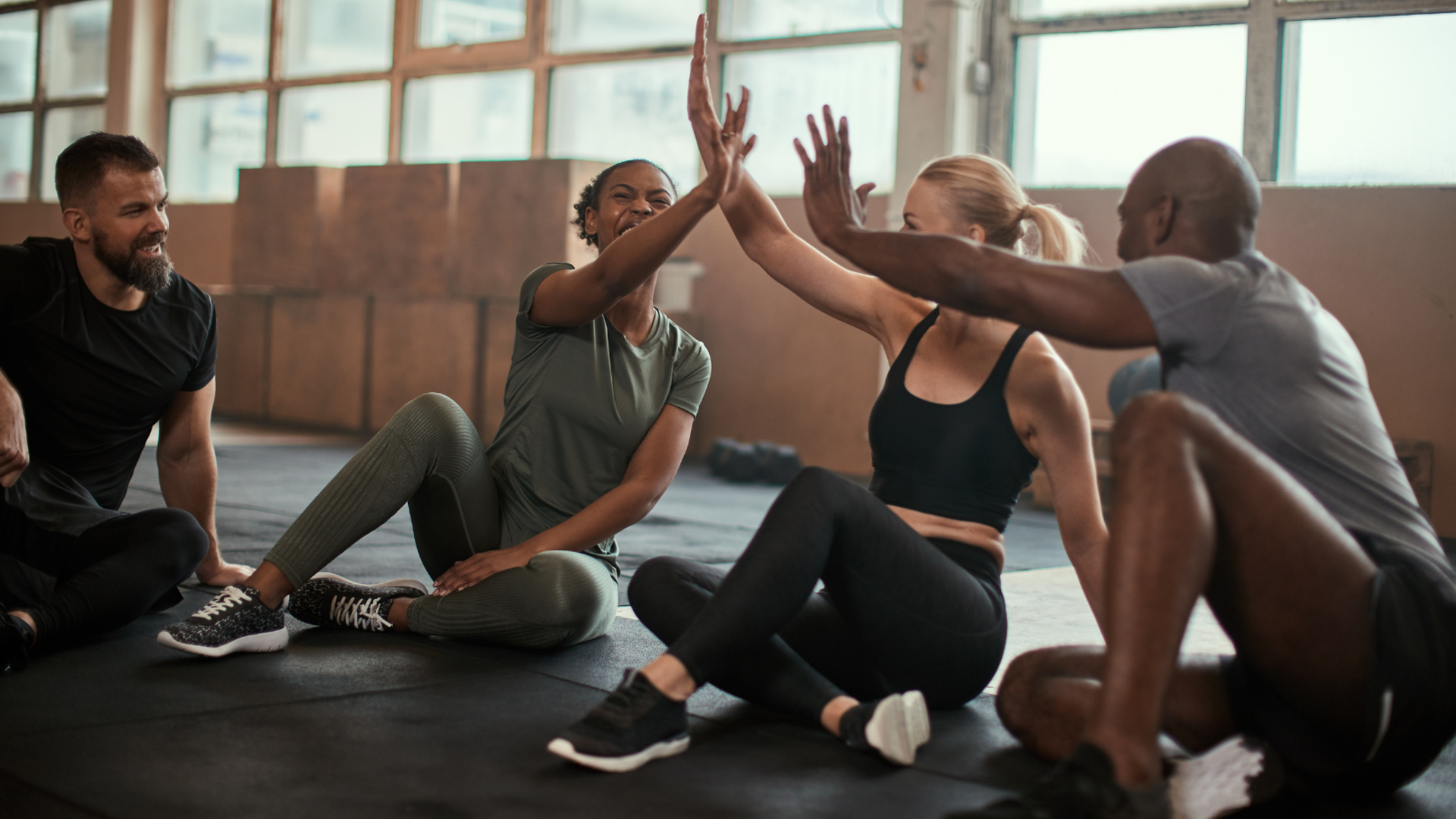
A fitness family gives your routine a support system. That support can be practical, emotional, or motivational. Sometimes it looks like a friend meeting you for a walk. Sometimes it looks like a trainer arriving at your home for a scheduled session. Sometimes it looks like a simple message asking how your workout went.
Consistency is often easier when someone else knows what you are working toward. A workout becomes harder to skip when you have a session booked, a partner waiting, or a check-in planned. This does not mean you need pressure or guilt. Healthy accountability should feel supportive, not stressful.
Support also helps when motivation drops. Everyone has days when exercise feels harder than usual. A busy week, poor sleep, stress, or soreness can make it tempting to stop. Having people around you who understand your goals can help you reset instead of giving up.
One Svetness client, Lisa, felt this after moving to a new city. She had no regular workout partner and struggled to stay motivated. Her trainer encouraged her to start small. Lisa invited her sister to share weekly progress updates and began talking to a few people in a local fitness class. After a few months, she had a small circle of support that made her routine feel less lonely.
That is the value of a fitness family. It helps you keep going when motivation is not enough.
What a Supportive Fitness Circle Looks Like

A supportive fitness circle does not have to look like a team, club, or intense training group. It should fit your personality, lifestyle, and comfort level.
For some people, support means training with a friend twice a week. For others, it means a family member who helps protect workout time. Some people prefer online groups because they feel easier to manage with a busy schedule. Many clients find that a personal trainer becomes a key part of their support system because the trainer brings structure, guidance, and accountability.
The strongest support circles share a few qualities. They encourage without shaming. They celebrate progress without comparison. They respect different starting points. They understand that fitness is personal.
A beginner should feel welcome. Someone returning after time away should not feel embarrassed. A more experienced exerciser should still feel supported when goals change or progress slows. A good group makes room for real life instead of expecting perfection.
This matters because comparison can damage motivation. Your fitness family should not make you feel behind. It should help you feel connected to people who want you to keep showing up in a way that works for your body and schedule.
Start With One Person
Building support does not need to begin with a large group. One reliable person can make a real difference.
Think about someone who would respond well to your goals. This may be a friend who likes walking, a sibling who wants to move more, a coworker who talks about getting back into fitness, or a partner who wants healthier routines at home. The person does not need the same goal as you. They need to be supportive and consistent.
A simple check-in can be enough. You might send a message after workouts, share your plan for the week, or agree to meet for a walk. The point is to create a connection that keeps fitness present in your life.
If no one close to you is interested, that does not mean you are stuck. Support can be found through classes, trainers, online groups, local walking clubs, or community events. Many people build their circle after they begin, not before.
Starting small can also feel less intimidating. A full group may feel like too much, but one person can help you build momentum.
Make Fitness Easier to Share
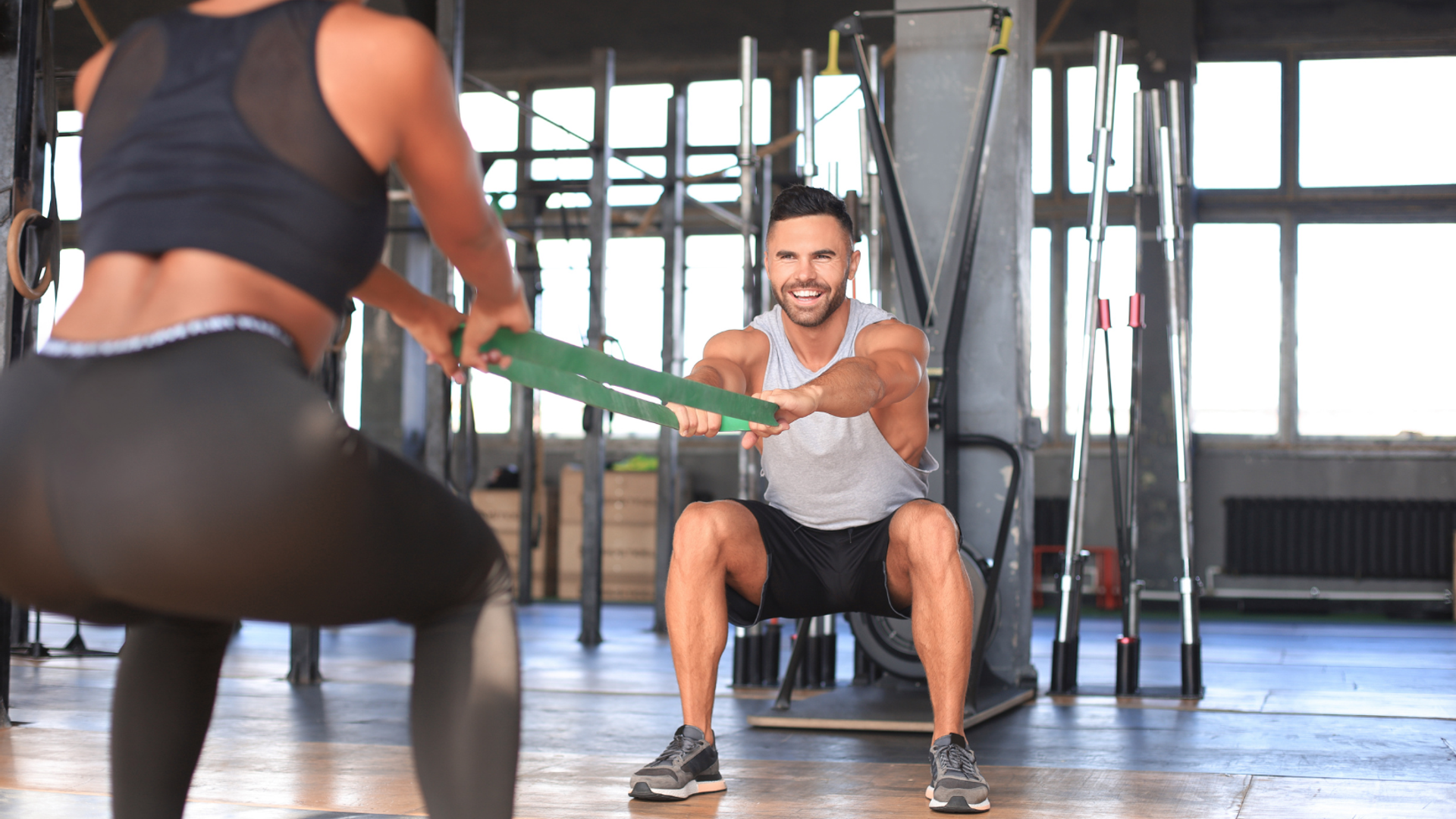
Many people avoid inviting others into their fitness routine because they think the plan needs to be impressive. It does not. Shared fitness can be simple.
A walk after dinner counts. A short home workout counts. Stretching together counts. Taking turns choosing a healthy recipe counts. A weekly message about what went well counts.
Support works best when it fits naturally into your life. If everyone is busy, a group text may work better than meeting in person. If you have kids, a family walk or backyard workout may be more realistic than a gym session. If you are nervous about training with others, a personal trainer can offer private support until you feel more confident.
Shared fitness should also leave room for different ability levels. One person may do push-ups on the floor while another uses a wall. One person may walk while another jogs. The activity can be shared even when the intensity is different.
The goal is not to make everyone follow the same plan. The goal is to create a supportive rhythm that helps each person stay engaged.
Ways to Build Support Around Your Routine
The right support system may come from several places. This list gives a few starting points, but you do not need to use all of them. Choose the option that feels most realistic for your schedule and personality.
- Ask one friend or family member to check in with you once a week.
- Join a beginner-friendly group class where the atmosphere feels welcoming.
- Create a small group chat for workout updates and encouragement.
- Schedule walks or active outings with people you already enjoy spending time with.
- Work with a personal trainer for structure, accountability, and professional guidance.
- Invite a household member to share a short home workout once or twice a week.
- Join an online fitness group that supports your goals without comparison.
- Celebrate small wins, such as showing up twice in a week or improving your form.
- Keep the tone positive, so support feels helpful rather than pressured.
- Revisit the plan when schedules change so the group stays realistic.
This kind of support does not need to be complicated. A few consistent touchpoints can help fitness stay part of your week.
Start your Svetness journey today
Get a free consultation and see how our trainers can transform your wellness journey.
Keep Accountability Supportive

Accountability is one of the biggest benefits of having a fitness family, but it needs the right tone. Accountability should help you stay connected to your goals. It should not make you feel guilty, judged, or embarrassed.
Supportive accountability sounds like, “How are you feeling about your workouts this week?” It does not sound like, “You failed because you missed a session.” The first creates room to reset. The second can make people withdraw.
Life will interrupt fitness sometimes. Travel, illness, work, family needs, and stress can all affect your routine. A supportive group helps you return to the plan without turning a setback into a personal failure.
This is where a trainer can be valuable. A personal trainer can give accountability with perspective. They can help you adjust the plan instead of abandoning it. If you miss a workout, the next step may be a shorter session, a modified routine, or a simple return to movement.
The best support systems help people stay honest without being harsh. Fitness should feel challenging, but the people around you should make the process feel more possible.
Handle Different Goals With Respect
A fitness family can include people with different goals. One person may want fat loss. Another may want muscle. Someone else may want better mobility, more energy, or stress relief.
Different goals do not have to create conflict. In many cases, they make the group stronger because each person brings a different perspective. The key is respecting the reason each person started.
Shared workouts can be modified. A strength session can include easier and harder versions. A walk can include different paces. A home workout can use bodyweight options for one person and added resistance for another.
Progress should be measured personally. Someone completing their first full push-up may be celebrating as much as someone hitting a new lifting goal. A supportive group makes room for both.
Avoid turning support into comparison. Your goal is not to be ahead of someone else. Your goal is to keep improving in a way that supports your health, confidence, and consistency.
Make Family Fitness Feel Approachable
For households, fitness can become part of daily life without feeling like another task. Parents, partners, siblings, and children can all be involved in simple ways.
A family walk after dinner can build movement into the day. A weekend hike can replace a more sedentary outing. A short living room workout can help everyone burn energy when schedules are full. Kids may enjoy movement more when it feels playful rather than forced.
The tone matters. Family fitness should not focus on appearance or criticism. It should focus on feeling stronger, having more energy, improving mood, and spending time together.
Adults can also model consistency. Children and younger family members notice habits. Seeing movement treated as normal, flexible, and positive can shape how they think about health.
For busy families, in-home personal training can be especially useful. A trainer can come to your space, build sessions around your schedule, and help remove the barrier of commuting to a gym.
How Svetness Supports Your Fitness Family

Svetness helps clients build fitness routines that fit real life. For some people, that means one-on-one personal training. For others, it may mean partner sessions, household support, or guidance that helps the client feel more confident between workouts.
A Svetness trainer can become a steady part of your support system. Your trainer helps structure your sessions, track your progress, adjust workouts, and keep your goals realistic. That kind of professional support can make it easier to stay consistent, especially during busy or stressful seasons.
In-home training also makes fitness more accessible for families and shared routines. You do not have to coordinate gym travel, childcare, parking, or equipment access. The workout can happen in your home, apartment gym, yard, or another comfortable space.
Svetness also understands that every client starts in a different place. Some people feel nervous. Some feel ready for a challenge. Some need help rebuilding confidence after years away from exercise. A trainer can meet you where you are and help your support system grow around that starting point.
Build the Support That Helps Fitness Last
A strong routine is easier to maintain when you are not carrying it alone. The right support can help you show up, reset after setbacks, and enjoy the process more.
Your fitness family can start small. One person, one check-in, one shared walk, or one personal training session can create momentum. Over time, that support can help you feel less isolated and more natural in your life.
If you want expert guidance and accountability as you build your routine, contact Svetness today to get matched with a personal trainer.
FAQs
Can a fitness family be one person?
Yes. One supportive person can make a meaningful difference. A training partner, spouse, friend, sibling, or personal trainer can provide accountability and encouragement.
What if no one around me likes fitness?
Start with a class, trainer, walking group, or online community. You do not need to already know fitness-focused people. Many support systems form after someone takes the first step.
How do I keep a fitness group motivated?
Keep goals realistic, celebrate small wins, and check in regularly. Motivation tends to last longer when the group feels supportive rather than competitive.
Can my family be part of my fitness routine?
Yes. Family walks, home workouts, active weekends, and shared check-ins can all support healthier routines. Keep the focus on energy, confidence, and consistency.
What if everyone has different fitness goals?
Different goals can still work. Each person can follow their own plan while sharing encouragement, check-ins, or active time together.
How can a trainer fit into my support system?
A trainer can provide structure, accountability, exercise guidance, and progress tracking. For many clients, that professional support becomes a key part of their routine.
Start your Svetness journey today
Get a free consultation and see how our trainers can transform your wellness journey.