Before and After 72-Hour Fast Results That Might Surprise You

Thinking about trying a 3-day fast? We explore the real before and after 72-hour fast results, the science behind autophagy, and what to expect.
Fasting has been a part of human history for thousands of years, often for religious or spiritual reasons. But in recent years, it has exploded in popularity as a health and wellness tool. From 16/8 intermittent fasting to alternate-day fasting, people are discovering the benefits of giving their digestive systems a break.
But then there is the 72-hour fast. Three full days with no food, only water, black coffee, or plain tea. For many people, the idea sounds extreme, even dangerous. Why would anyone voluntarily go that long without eating?
We had a client, Marcus, who asked us exactly that. He had been doing 16/8 intermittent fasting for a few months and had seen some good results with his weight loss and energy levels. But he had hit a plateau and was curious about the potential benefits of a longer fast. He had read about "autophagy" and "immune system resets" online, but he was skeptical about the real-world results.
Marcus decided to try a 72-hour fast under the guidance of his doctor and with the support of his Svetness personal trainer. The results he experienced, both during and after the fast, completely surprised him. It wasn't just about the weight he lost; it was about the profound shift in his relationship with hunger and the incredible mental clarity he experienced.
Marcus’s story is a perfect example of why the 72-hour fast is gaining so much attention. In this blog, we’ll dive into the science behind prolonged fasting, explore the real before and after 72-hour fast results you can expect, and discuss whether it’s the right choice for your fitness journey.
What Happens in Your Body Before and After 72-Hour Fast?
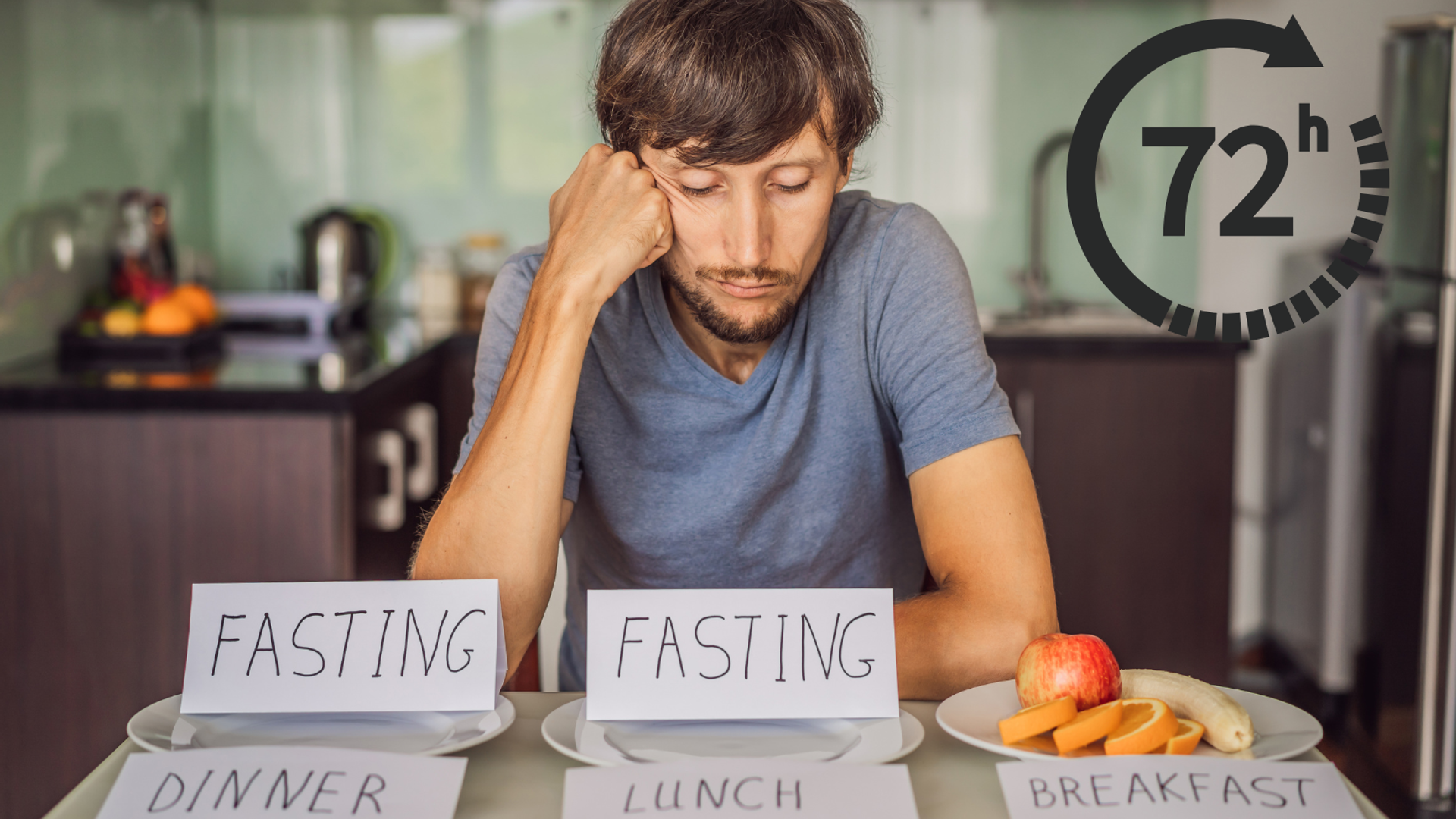
When you stop eating, your body goes through a series of metabolic changes as it shifts from using food for energy to using stored body fat. Here is a timeline of what typically happens during a 72-hour fast:
- 0-12 Hours (The Fed State): Your body is still digesting your last meal and using glucose (sugar) from your bloodstream for energy. You might feel normal hunger pangs as your stomach empties.
- 12-18 Hours (The Fasting State Begins): Your blood sugar levels drop, and your body starts to rely on stored glycogen in your liver for energy. This is when you might start to feel irritable or "hangry."
- 18-24 Hours (Ketosis Begins): Your liver glycogen stores are nearly depleted, so your body starts breaking down stored fat into molecules called ketones, which your brain and body can use for fuel. This is the beginning of the fat-burning phase.
- 24-48 Hours (Autophagy Kicks In): This is the magic window. Autophagy is a cellular cleaning process where your body breaks down old, damaged, or misfolded proteins and cellular components and recycles them. It’s like a deep clean for your cells, and it’s believed to play a major role in anti-aging and disease prevention.
- 48-72 Hours (Deep Ketosis and Immune Reset): By this point, you are in deep ketosis, burning fat for fuel efficiently. Growth hormone levels spike to preserve muscle mass, and some studies suggest that prolonged fasting can trigger the regeneration of new immune cells, essentially "resetting" your immune system.
The Physical Results: Weight Loss and Inflammation

The most obvious result when comparing before and after 72-hour fast is weight loss. However, it’s important to understand that not all of this weight is fat.
When you fast, your body depletes its glycogen stores. Glycogen holds onto a lot of water. So, in the first 24-48 hours, you will likely experience a significant drop in "water weight." You will also lose some body fat, as your body is relying on it for fuel.
Marcus lost about 6 pounds during his 72-hour fast. However, he knew that a portion of that was water weight, which returned when he started eating carbohydrates again. But he also noticed a significant reduction in bloating and puffiness, particularly around his midsection.
Beyond weight loss, many people experience a profound reduction in inflammation. If you suffer from joint pain, skin conditions, or digestive issues, you might notice that these symptoms improve significantly during and immediately after a prolonged fast. This is likely due to the combination of giving your gut a rest and the anti-inflammatory effects of ketones and autophagy.
The Mental Results: Clarity and Hunger Control
Perhaps the most surprising before and after 72-hour fast results are the mental and emotional shifts.
For the first 24 hours, hunger is usually the biggest challenge. Your body is used to a steady supply of food, and it will send strong signals demanding it. But here is the secret: hunger comes in waves. It doesn't continuously build until you eat. If you can ride out a wave of hunger by drinking water or staying busy, it will usually pass.
By day two or three, many people report that their hunger significantly diminishes or disappears entirely. As your body adapts to using ketones for fuel, you enter a state of deep mental clarity and focus.
Marcus experienced this firsthand. He told us, "The second day was tough, but by the third day, I felt incredible. My mind was sharper than it had been in years. I had so much energy, and I wasn't even thinking about food. It completely changed my perspective on what hunger actually is."
A prolonged fast teaches you that you are not a slave to your cravings. It builds mental resilience and discipline that carries over into other areas of your life, including your workouts and your daily nutrition.
Start your Svetness journey today
Get a free consultation and see how our trainers can transform your wellness journey.
How to Break a 72-Hour Fast Safely

The way you break a fast is just as important as the fast itself. After three days of no food, your digestive system is "asleep." If you immediately eat a large, heavy meal, you can cause severe digestive distress, cramping, and even a dangerous condition called refeeding syndrome.
You must wake your digestive system up slowly and gently.
Here is a safe protocol for breaking a prolonged fast:
- Bone Broth: Start with a small cup of high-quality bone broth. It’s rich in minerals and easy to digest, helping to soothe the gut lining.
- Small, Easily Digestible Foods: Wait an hour or two, then have a small portion of easily digestible food, such as steamed vegetables, a small piece of lean protein (like chicken or fish), or a handful of macadamia nuts.
- Avoid Sugar and Heavy Carbs: Stay away from sugary foods, heavy carbohydrates, and processed foods for the first 24 hours after breaking your fast. These can cause a massive insulin spike and lead to bloating and discomfort.
- Listen to Your Body: Eat slowly, chew your food thoroughly, and stop eating as soon as you feel satisfied. Your stomach will have shrunk, so you won't need as much food to feel full.
Is a 72-Hour Fast Right for You?
While the before and after 72-hour fast results can be impressive, prolonged fasting is not for everyone.
It is generally safe for healthy adults, but you should never attempt a 72-hour fast if you:
- Are pregnant or breastfeeding
- Have a history of eating disorders
- Are underweight or malnourished
- Have type 1 diabetes or are on medication for type 2 diabetes (without strict medical supervision)
- Are under the age of 18
Even if you are healthy, you should always consult with your doctor before attempting a fast longer than 24 hours.
At Svetness, we believe that nutrition should support your fitness goals, not hinder them. While a prolonged fast can be a powerful tool for resetting your body and mind, it is not a replacement for a consistent, healthy diet and regular exercise.
If you are interested in exploring fasting, we recommend starting with shorter intermittent fasting protocols (like 16/8) and gradually building up your fasting "muscle" before attempting a 72-hour fast. Our trainers can help you integrate fasting safely into your overall fitness plan, and you can see the results in our most recent Svetness training success stories.
FAQs
Can I exercise during a 72-hour fast?
Light exercise, such as walking, gentle yoga, or stretching, is generally fine and can even help take your mind off hunger. However, you should avoid high-intensity interval training (HIIT) or heavy weightlifting during a prolonged fast, as your body does not have the necessary fuel to recover properly.
What can I drink during a 72-hour fast?
You should stick to water (sparkling or still), black coffee, and plain, unsweetened tea (green, black, or herbal). Do not add any sugar, milk, cream, or artificial sweeteners, as these can break your fast and stop the process of autophagy.
Will I lose muscle mass during a 72-hour fast?
While you may lose a very small amount of muscle, your body is incredibly efficient at preserving muscle mass during a fast. As you enter ketosis, your body increases the production of human growth hormone (HGH), which helps protect your muscles while your body burns fat for fuel.
How often should I do a 72-hour fast?
A 72-hour fast is a significant stressor on the body and should not be done frequently. Most experts recommend doing a prolonged fast no more than once a quarter (every three months) or even just once or twice a year.
What if I feel dizzy or lightheaded during the fast?
Dizziness or lightheadedness can be a sign of dehydration or an electrolyte imbalance. Make sure you are drinking plenty of water and consider adding a pinch of high-quality sea salt or an unflavored electrolyte supplement to your water. If the dizziness persists or you feel unwell, you should break the fast immediately.
Start your Svetness journey today
Get a free consultation and see how our trainers can transform your wellness journey.