Personal Trainer Atlanta: How to Choose the Right Coach

Looking for a personal trainer in Atlanta? Compare experience, coaching style, location, and other key factors before choosing the right fit.
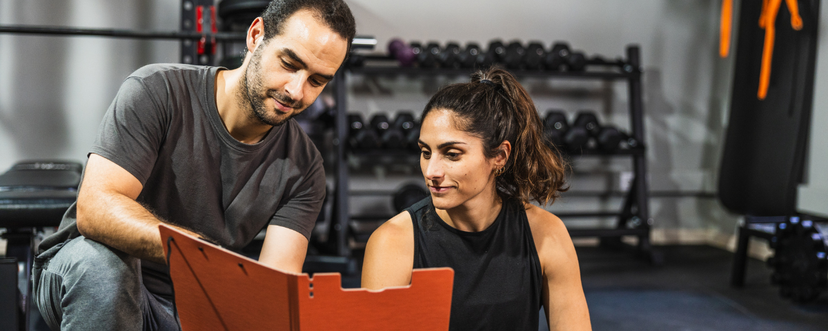
Finding a personal trainer in Atlanta is easy. Finding someone you want to keep working with takes more thought. Trainers can have similar certifications but very different ways of coaching, planning workouts, and giving feedback.
The right coach should understand your goals and know how to build a plan around them. They should also communicate in a way that works for you and offer a schedule you can keep.
If you are comparing personal trainer Atlanta options, look beyond who has an open appointment. Experience, personality, location, schedule, and progress tracking can all shape the working relationship. You can also work with a personal trainer in Atlanta who comes to your home or another suitable place.
In this article, we’ll cover what to look for in a personal trainer, how to compare coaching styles, which red flags to watch for, and how to choose someone who fits your goals and routine.
Start your Svetness journey today
Get a free consultation and see how our trainers can transform your wellness journey.
Start With Your Goal

Think about what you want help with before you compare trainers. You do not need a full fitness plan because building one is part of the coach's job. A broad goal like “getting fit” can be a good starting point, but making it more specific will help you find someone with the right experience.
Your goal might be to:
- Build strength or muscle
- Improve cardio fitness
- Support a weight goal
- Improve balance or mobility
- Return to exercise after a long break
- Learn how to use weights
- Train for a race or event
- Build a regular exercise routine
Different goals can call for different skills. A coach who works mainly with athletes may have less experience with complete beginners. A trainer who often works with older adults may be a better fit for someone focused on balance and daily strength.
Look for a trainer whose experience lines up with what you need. That gives you a better starting point than choosing based on location or availability alone.
Check Their Qualifications
A trainer's own fitness level does not tell you how well they can coach someone else. Ask about their professional training before you sign up. When comparing personal trainer Atlanta services, certification gives you a good place to start.
Well-known groups such as ACSM, NASM, ACE, and NSCA offer personal training certifications. You can ask which certification the trainer holds, whether it is current, and whether they have CPR/AED training. Insurance and past experience are worth asking about too.
At Svetness, our trainers hold nationally recognized certifications. We also interview and screen trainers before they work with clients.
A trainer should be able to explain their background in clear terms. Asking about qualifications is a normal part of choosing someone to guide your workouts.
Match Experience to Your Needs
Once you know a trainer is qualified, look more closely at who they usually work with. If you want to build strength, ask about their experience with strength training. If you are a beginner, ask how they introduce new clients to exercise.
Older adults may want to know how often the trainer works with people in a similar age group. Someone training for a race may want a coach with more experience in that area.
Health issues can make experience even more important. A personal trainer cannot diagnose an injury or treat a medical problem. A good coach knows when you need help from a doctor, physical therapist, or another licensed healthcare professional.
Be cautious with anyone who tries to diagnose pain or a health condition. Staying within their role is part of good coaching.
Find a Coaching Style That Fits
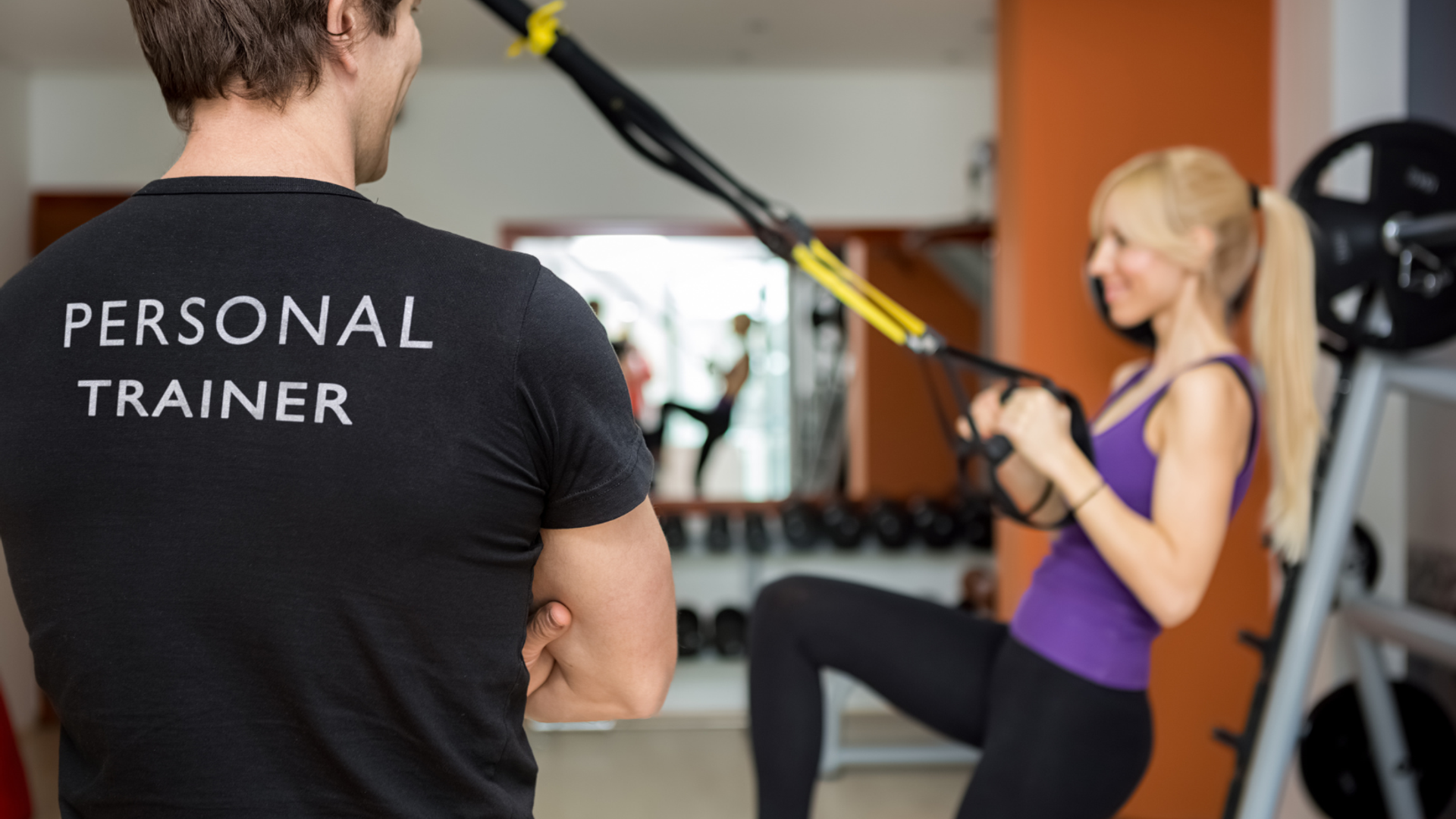
Personality can affect how much you enjoy your sessions and how well you respond to feedback. Some people like high-energy coaching with lots of encouragement, while others prefer a calmer trainer who gives short, clear instructions.
You may want firm accountability or a softer approach. Think about the style that helps you focus and feel at ease during the session.
You should also feel comfortable asking questions, talking about missed workouts, and saying when something feels wrong. Our guide to finding a personal trainer who fits your personality can help you think through the kind of coach you may work best with.
At Svetness, we look at more than open time slots when matching clients with trainers. Your goals, schedule, needs, and coaching preferences all help shape the match.
Look for a Trainer Who Listens
A trainer should ask questions before building your program. They need to know about your goals, past workouts, schedule, preferences, and current activity. They should also ask about your training space and any limits that could affect exercise.
Those answers help shape the plan. A person who can work out three days each week may need a different setup than someone with five days available.
A beginner training in a small apartment may also need a different plan than an experienced lifter with a full home gym. Good coaching starts with understanding the person in front of you.
Ask How Your Program Will Change
Your plan should change as you get stronger and more skilled. A trainer may add weight, increase reps, adjust the range of motion, or make an exercise harder.
They may also switch an exercise if it causes discomfort or does not suit you. The goal is to keep the program moving forward without making changes just for the sake of variety.
Your workouts do not need to be completely different every week. Repeating some exercises gives you a clear way to see progress.
A good program should include enough variety to stay useful while still giving you a way to measure improvement.
Choose the Right Training Location

Atlanta gives you several choices for where to train. Your choice of personal trainer Atlanta services may also depend on where you want to work out. You may train at a gym, private studio, home, condo fitness room, or another safe location.
The best setting is one that fits your goals and schedule. Think about how much time you have, what equipment you need, and where you are most likely to keep showing up.
Gym-Based Training
A commercial gym gives you access to more equipment. This can help if your program needs heavy weights, machines, cable stations, or other tools that are hard to keep at home.
The drive is part of the tradeoff. Atlanta traffic can turn a short gym visit into a much bigger block of time, so travel should be part of the decision.
In-Home Training
Home training removes the gym commute. Your trainer comes to you and builds the workout around the space you have. You may not need much equipment. Dumbbells, resistance bands, kettlebells, and bodyweight exercises can support many types of workouts.
At Svetness, our Atlanta trainers can meet you at home or another agreed-upon location. We build the training setup around your goals, space, and routine.
Apartment or Condo Gyms
A fitness room in your building can give you more equipment without a drive across town. This can work well if your property already has machines, weights, or cardio equipment.
Check the building rules before you book a trainer. Some properties ask outside coaches for insurance or other paperwork.
Start your Svetness journey today
Get a free consultation and see how our trainers can transform your wellness journey.
Look for Coaching, Not Just Demonstration
A trainer should know how to show an exercise, but teaching is just as important. They should watch how you move and give you feedback you can use. Sometimes a small change in stance or pace is enough. Other times, the exercise may need to be adjusted or replaced.
Research suggests that direct supervision can add value. One 2025 study compared people doing strength training with a coach, through an app, or on their own. The coached group completed more of their planned workouts and improved more on one squat-strength test.
The study does not mean everyone needs a trainer to make progress. It does show how hands-on coaching can add feedback and support that a written workout cannot provide.
Ask How Progress Will Be Measured
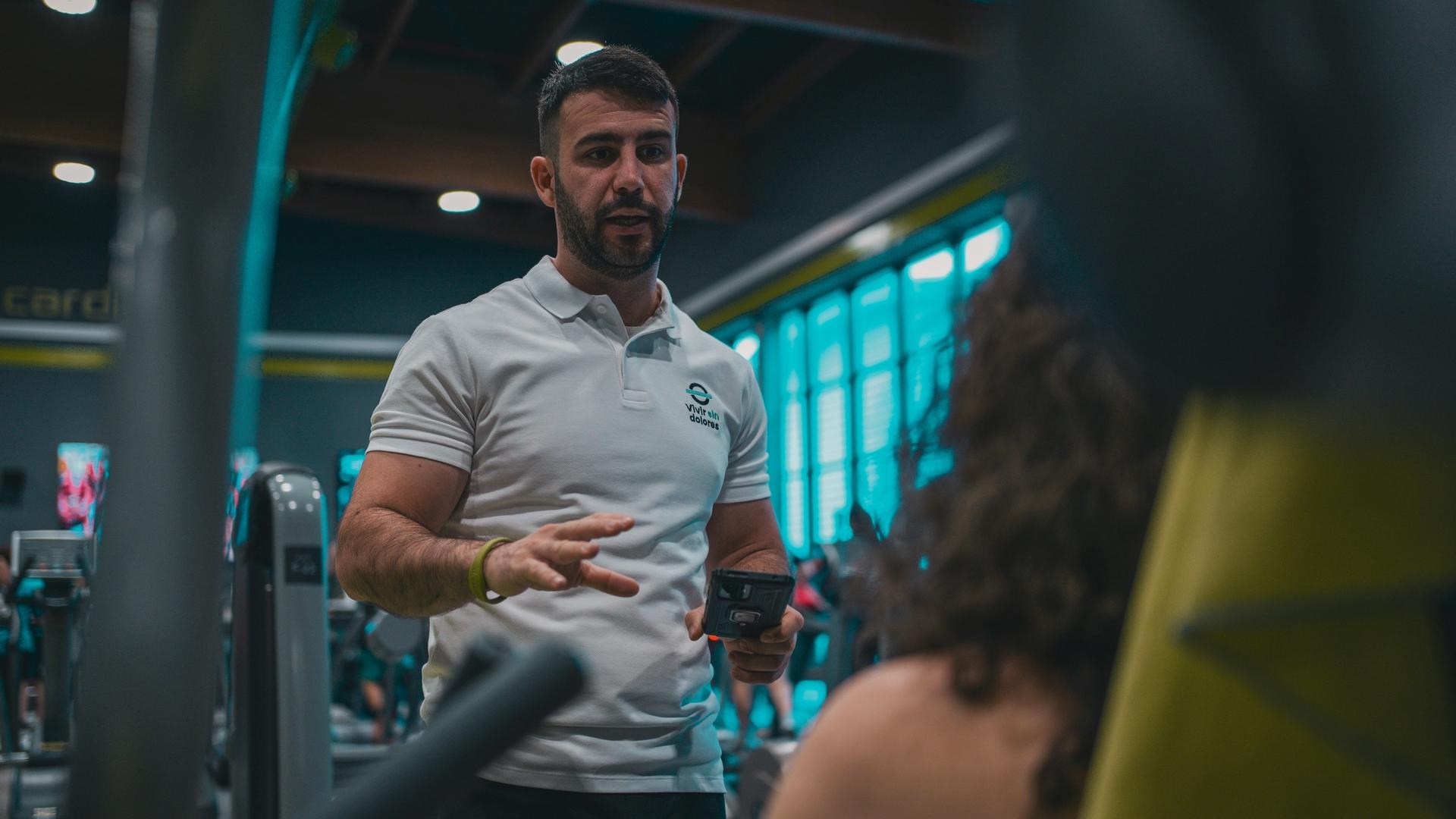
Your trainer should be able to explain what progress will look like for your goal. If you want to get stronger, you might track weight or reps. If you are working on cardio fitness, you may look at pace, time, or distance.
A beginner may see progress in completing workouts and feeling more confident with basic movements. Other signs can include better balance, improved mobility, stronger form, or more consistent training.
Tracking should help guide future workouts. The information should show your trainer when to keep going and when the program needs a change.
Pay Attention to Feedback
Your trainer should listen when you tell them how an exercise feels. If something causes pain, they may stop the movement, change it, or suggest that you speak with a healthcare professional.
Feedback also covers smaller issues. You may dislike an exercise, struggle with a training time, or find a certain coaching style stressful.
You should be able to talk about those things. A good trainer can use your feedback while keeping the main goal of the program in view.
Make Sure the Schedule Works
A personal trainer Atlanta residents work with should offer times that fit their real weekly schedule. A trainer can be excellent at their job and still be the wrong fit if their availability clashes with yours.
Ask when they are available and how far ahead sessions are booked. Find out whether mornings, evenings, or weekends are options if those times work better for you.
Cancellation and rescheduling rules are worth discussing as well. This can be especially important with in-home coaching because trainers need time to travel between clients.
A schedule you can keep will usually work better than one that causes problems every week.
Ask What Happens When Plans Change
Real life will sometimes get in the way of your training schedule. Work may get busy, travel may come up, or family plans may change.
Ask how the trainer handles those weeks. They may be able to reschedule, give you a shorter workout, or provide exercises you can do while traveling.
A flexible plan should still have structure. Having backup options can keep one busy week from turning into a long break from exercise.
Decide How Much Accountability You Want
Accountability can mean different things to different people. You may want a set appointment that keeps exercise on your calendar, while someone else may want the trainer to check whether they finished workouts between sessions.
Think about how much support helps you stay on track. The right amount should give you useful structure without making the process feel forced.
Your trainer can also adjust that support over time. You may want more help at the beginning and more independence as you gain confidence.
Watch for Red Flags
Some warning signs should make you think twice before hiring a trainer. Be cautious if someone cannot explain their qualifications, promises guaranteed results, or gives every client the same workout.
Ignoring pain, spending paid sessions on their phone, or using shame as motivation are also concerns. A trainer should never try to diagnose a medical problem or pressure you to buy products you do not need.
They should also be clear about prices, packages, and cancellation rules. Smaller signs can tell you a lot too, including whether they arrive prepared, remember your past sessions, and adjust exercises when needed.
Harder Workouts Are Not Always Better
Making a workout exhausting is easy. A trainer can add more reps, shorten rest, or pile on extra exercises.
Good coaching uses the right amount of challenge for your current level. The workout should support the larger plan and leave enough room for recovery.
This can be especially important for beginners. Feeling sore or worn out after every session is not the best way to judge a trainer.
Our guide on how to find a personal trainer shares more tips for comparing coaches and finding a good fit.
Give the Relationship Time
A trainer-client relationship may take a few sessions to settle in. Your trainer needs time to see how you move and how you respond to feedback, and you need time to get used to their coaching style.
A first session may not tell you everything. Pay attention to how the relationship feels after you have had time to work together.
You should still speak up if the fit keeps feeling wrong. Poor communication, repeated schedule problems, or workouts that do not match your goals are good reasons to discuss a change.
At Svetness, we can change your trainer if the first match is not working. Our matching process looks at your goals, schedule, experience, and preferences, so you are not stuck with the first person available.
Questions to Ask Before You Decide
A short consultation can tell you a lot about what working with a trainer will be like. When you compare personal trainer Atlanta coaches, ask about certifications, experience, coaching style, location, equipment, availability, and price.
You should also ask how they build programs and track progress. Find out what happens if an exercise feels wrong or if you need to cancel a session.
Ask whether they provide workouts between appointments and if you can change trainers if the fit is poor. Clear answers make it much easier to compare your options.
Find a Personal Trainer Atlanta Residents Can Trust

Look for a coach whose training and experience match your goals. Their schedule, communication style, and training location should also work with the rest of your life.
When comparing personal trainer Atlanta options, pay attention to how each coach listens and explains things during your first talks. A strong coaching relationship should make it easier to ask questions, share feedback, and stay involved in your plan.
At Svetness, we learn about your goals, schedule, needs, and preferences before matching you with a trainer. If you want one-on-one coaching at home, we can connect you with a personal trainer in Atlanta who fits the way you want to train.
Book Your Free Svetness Consultation
FAQs
How do I choose a personal trainer in Atlanta?
Start with certification and experience. Then look at coaching style, schedule, training location, and how the trainer plans to track your progress.
What certifications should an Atlanta personal trainer have?
Look for a current certification from a known fitness group. You can also ask about CPR/AED training, insurance, and experience with clients who have goals like yours.
Is personality important when choosing a trainer?
Yes. You should feel at ease asking questions and giving feedback. A trainer can be highly qualified and still have a coaching style that does not work well for you.
Can a personal trainer come to my home in Atlanta?
Yes. At Svetness, our trainers can work with you at home or another suitable agreed-upon location in Atlanta.
What should I ask during a trainer consultation?
Ask about training, experience, coaching style, scheduling, equipment, price, and how your program will be built. You should also ask how progress is tracked and what happens if the fit is not right.
Start your Svetness journey today
Get a free consultation and see how our trainers can transform your wellness journey.