
Personal Trainer Raleigh: 18 Things to Look for Before Hiring

Looking for a personal trainer in Raleigh? Check credentials, experience, safety, communication, pricing, and other key factors before hiring.
Finding a personal trainer in Raleigh is easy enough. Choosing someone you trust to plan and guide your workouts takes more thought. A trainer may look impressive online or post hard workouts, but that tells you little about how well they can coach you.
If you are comparing personal trainer Raleigh options, start with the basics. Check the trainer’s certification, insurance, and experience. Then think about where you want to train and how the sessions will fit your schedule.
At Svetness, our personal trainer in Raleigh service brings certified trainers to your home or another suitable location. Our trainers can also bring equipment for the session.
In this article, we’ll cover what to check before hiring a trainer. We’ll also look at questions to ask, warning signs, and how to find the right fit.
Start your Svetness journey today
Get a free consultation and see how our trainers can transform your wellness journey.
What to Look for in a Personal Trainer

The right trainer should fit more than your fitness goal. They should also work with your schedule, communicate clearly, adapt when plans change, and make training easier to keep up with.
These 18 things can help you compare your options and find a coach who fits the way you actually live and work.
1. Check their certification
Start with something you can verify. Ask which organization certified the trainer and if the certification is current.
Groups like ACE, NASM, NSCA, and ACSM offer well-known fitness certifications. Other valid credentials exist too, so you do not need to look for one specific acronym.
A personal trainer Raleigh residents hire should be able to explain their qualifications clearly. Ask who certified them and if the credential is current. You should also check for current CPR/AED training.
At Svetness, our trainers hold recognized fitness certifications. We also screen them before they work with clients. Our guide to choosing a personal trainer goes deeper into certifications, insurance, and warning signs.
2. Look beyond their physique
Looking fit and knowing how to coach are different skills. A trainer's own exercise history may give them useful experience, but their body does not show how well they can teach another person.
The same goes for social media. A large following can show that someone knows how to make content. It does not prove they can coach a beginner or build a safe workout plan.
Ask how they would approach your goal and how they work with people at your experience level. Their answers will usually tell you more about their coaching than a photo will.
3. Ask about professional insurance
Insurance may not be the first thing you think about when choosing a trainer, but it is worth checking. Professional liability insurance is a normal part of running a fitness service.
This can be even more important with in-home training. The coach is working in your home or another private space. You should feel comfortable asking if they carry appropriate coverage.
At Svetness, trainers go through insurance checks as part of our screening process. Certification, insurance, and background checks give you a better idea of who you are working with before training starts.
4. Match experience to your goal

A trainer can be qualified and still be the wrong fit for your goal. Think about what you want to work on before asking about their background.
One person may want to rebuild general fitness after years away from exercise. Another may want to improve strength, support weight management, train for a sport, or work on balance as they get older.
Ask how often the trainer works with clients whose goals are similar to yours. Experience may include:
- Complete beginners
- Strength training
- Muscle building
- Weight management
- Senior fitness
- Cardio training
- Recreational sports
- Youth fitness
- Mobility
- Returning to exercise after a break
At Svetness, we match clients with trainers based on their goals, needs, and schedule. That helps narrow the search to coaches whose experience fits the type of support you want.
If you are still deciding if coaching is worth the cost, our article on are personal trainers worth it explains what you are paying for and how a trainer can help.
5. Expect questions before a workout
A trainer cannot build a personal plan without knowing much about you. The first conversation should gather information before a detailed program is created.
Your trainer may ask about your goals, past workouts, schedule, and current activity. They should also ask about health concerns or physical limits that could affect exercise.
Be careful if a trainer tries to sell you a large package or hands you a full program before asking basic questions. The intake process gives the coach the information they need to choose a sensible starting point.
At Svetness, we begin with a consultation before matching you with a trainer. That gives us a better picture of your goals and the type of coaching that may fit you.
6. Check their professional limits
Personal trainers work in fitness. They are not doctors, physical therapists, or dietitians unless they have the right training. They should know the limits of their role.
A trainer can change an exercise if your knee hurts or another movement feels wrong. They should not diagnose the medical cause of ongoing pain unless they also hold the right healthcare qualifications.
The same applies to more serious symptoms. A coach should take chest pain, dizziness, or other serious symptoms seriously. They should recommend medical care when needed.
Ask what they would do if you felt pain during an exercise. The answer can tell you a lot about their approach to safety.
7. Ask how your program is personalized
The word “personal” should show up in the way your workouts are built. Your plan should reflect your goals, experience, equipment, schedule, and current fitness level.
Two clients who both want to get stronger may still need very different programs. One may have years of lifting experience and a full home gym. The other may be a beginner with a pair of dumbbells in an apartment.
Personalization should continue after the first session too. Your trainer may need to change exercises as you improve, your schedule changes, or certain movements do not suit you.
Our guide to Svetness personal trainer workouts for clients explains how your goals and progress can shape your workout plan.
8. Find out how progression works
A workout plan needs room to grow with you. If the training challenge stays the same forever, your progress can slow.
Your trainer may make exercises harder by adding resistance, increasing reps or sets, changing the range of motion, or improving the way you perform a movement. The right change depends on the program.
Ask how the trainer decides when to make these changes. If every workout is completely different, it can be harder to track progress. You need some repeat exercises to see what is improving.
Some variety can keep training interesting. Your program should still give you enough repetition to improve your skills and see what is changing.
9. Look for active supervision
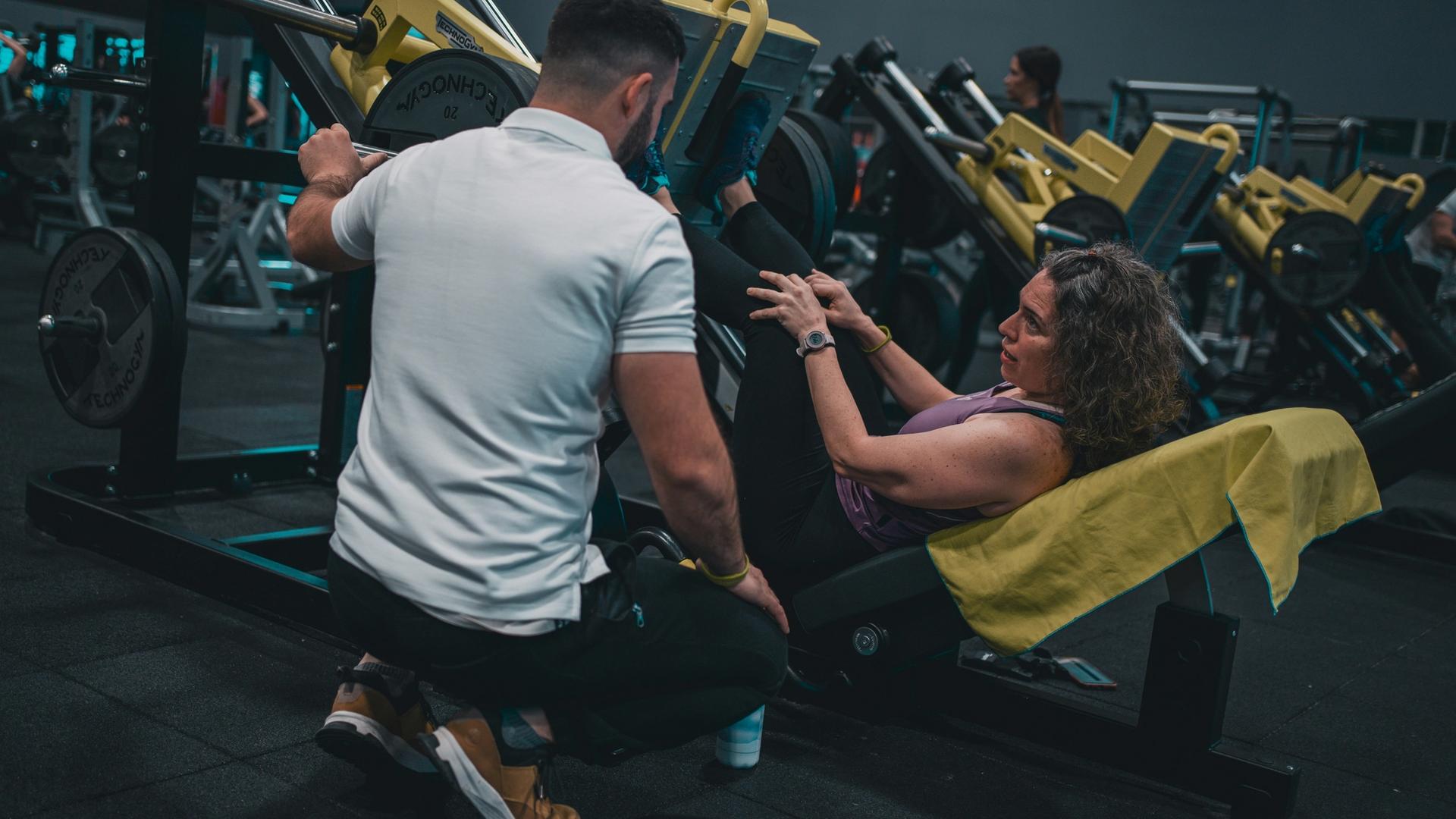
Paying for personal training should give you more than somebody standing nearby. Your trainer should watch how you move and respond to what happens during the session.
They may give form cues, change the resistance, record your performance, or replace an exercise when needed. This is one of the main differences between a coached session and following a workout alone.
A 2025 study compared three types of strength training over 10 weeks. The group with a trainer completed more planned workouts and improved more on one squat test.
All three groups improved their strength. The study does not mean everyone needs direct supervision, but it shows one way coaching can add value.
10. Notice how they respond to pain
Exercise can be hard, and tired muscles are normal during many workouts. Concerning pain deserves a different response.
A trainer should listen if a movement hurts. They may stop it, adjust your form, lower the load, or choose another exercise.
If the symptoms call for medical care, the trainer should say so. A good trainer should never ignore pain or keep pushing the same movement.
Our article on choosing a personal trainer covers more certifications, insurance, and red flags to watch for before you commit.
11. Ask how progress is tracked
Before hiring a personal trainer, Raleigh clients should know how their progress will be measured. The answer will depend on what you are trying to improve.
For strength, you might track the weight you lift or the number of reps you complete. Cardio goals may use time, pace, distance, or another measure.
Balance, mobility, workout consistency, exercise form, and body measurements may also be useful in some programs. Your trainer does not need to track every possible number.
The goal is to choose measures that connect to what you are working toward. Those results can then help guide future workouts.
Start your Svetness journey today
Get a free consultation and see how our trainers can transform your wellness journey.
12. Pick a training location that fits
A great trainer can still be hard to work with if getting to every session becomes a hassle. Think about where you are most likely to train each week.
A commercial gym can give you access to heavy weights, machines, and other equipment. That can be useful for some goals, but it also means traveling to the facility.
Home training removes that commute and gives you more privacy. Bodyweight exercises, dumbbells, resistance bands, and portable equipment can support many types of training without a full home gym.
For many personal trainer Raleigh searches, location is part of the fit. At Svetness, our trainers travel to clients and can bring equipment for their sessions. Apartment or community fitness rooms may also work when the property allows outside trainers.
The right setting should give you what your program needs and be easy enough to use on a regular basis.
13. Check their schedule
Availability can seem like a small detail until it starts causing missed workouts. Be realistic about the times you can train.
If mornings are your only reliable opening, a trainer who only works afternoons is unlikely to be a good match. Ask about evening and weekend sessions too if those times fit your routine better.
You should also understand how far ahead appointments are booked and what happens if either of you needs to reschedule. Travel, cancellations, and trainer absences are worth discussing before you pay for a package.
At Svetness, schedule is one of the factors we use when matching clients with trainers. The goal is to find someone whose availability works with your normal week.
14. Know what the price includes
A per-session price does not tell you everything about a training service. Ask what you receive for the amount you are paying.
Some trainers provide only the coached session. Others may include workout planning, progress tracking, or exercises for days when you train alone.
Ask if equipment is included and if there are extra fees. You should also know how cancellations work, when purchased sessions expire, and if you need to pay for a separate gym membership.
Clear pricing makes it easier to compare trainers fairly. It also helps prevent surprises after you sign up.
15. Pay attention to communication
A trainer should explain exercises in language you understand. Fitness terms can get complicated quickly, and you should feel comfortable asking for a simpler explanation.
Communication also means listening. Your trainer should listen when a movement feels wrong or your schedule changes. They should also answer questions about what to do between sessions.
Our client advice for finding a personal trainer covers communication, scheduling, and other things clients found helpful when choosing a coach.
A strong training relationship gives you room to ask questions and give honest feedback. You should know what you are doing and why it is part of the plan.
16. Do not judge quality by exhaustion
Almost any trainer can create an exhausting workout. They can add more exercises, cut rest periods, and keep you moving until you are worn out.
A good program uses enough challenge to support your goal while still giving you time to recover. Some sessions may be difficult, but others may focus more on form or controlled strength work.
A randomized study of supervised strength training found greater improvements in several measures when trained adults completed the program with direct supervision. The workout program itself was controlled between the groups.
That distinction is useful. Better coaching does not require making every session more punishing than the last.
17. Watch for red flags
Some signs should make you think twice before you hire a trainer. A single concern may have a reasonable explanation, but several problems can point to a poor fit.
Be cautious if a trainer:
- Cannot verify their certification
- Has no appropriate insurance
- Skips basic intake questions
- Guarantees dramatic results
- Gives every client the same program
- Ignores pain or concerning symptoms
- Tries to diagnose medical problems
- Cannot explain their exercise choices
- Spends paid sessions on their phone
- Pressures you to buy supplements
- Is regularly late or unreliable
- Gives vague answers about prices or policies
When comparing personal trainer Raleigh services, professionalism should be part of the decision. You are paying someone to guide your workouts, so they should communicate clearly and act professionally.
18. Consider the personality fit
Credentials tell you if a trainer has the right background. Personality helps you decide if you will feel comfortable working with them each week.
Some clients like direct, energetic coaching. Others prefer a calmer style with more explanation and time to focus.
You should feel at ease asking questions and sharing honest feedback. You should feel safe telling your trainer when an exercise hurts. If you do not, they may not be the right fit.
At Svetness, we use your schedule, goals, and needs when making a trainer match. You should still pay attention to how the partnership feels once sessions begin.
Questions to ask before hiring
You do not need to turn the consultation into a formal interview. A few direct questions can tell you a lot about how the trainer works.
Ask about their certification, insurance, CPR/AED training, and experience with goals like yours. You should also ask how they assess new clients, build programs, progress workouts, and respond when an exercise causes pain.
Before choosing a personal trainer, Raleigh residents should also ask about the location, schedule, and price. Check what equipment is included and how cancellations work. They should also know what happens if the trainer is not a good fit.
Our guide to questions to ask before hiring a personal trainer gives you more ideas for that first conversation. Clear answers will make it easier to compare your choices.
Find a personal trainer Raleigh residents trust

When comparing personal trainer Raleigh options, look past photos and social media. Check the trainer’s certification and insurance first. Then look at their experience, communication, and approach to safety.
Think about the practical side too. The trainer needs to be available when you can exercise, work in a location that fits your routine, and explain exactly what you are paying for.
At Svetness, our trainers go through certification, background, and insurance checks. We also learn about your goals, schedule, and needs before making a match so you can start with a coach suited to the type of support you want.
Book Your Free Svetness Consultation
FAQs
What should I look for in a personal trainer in Raleigh?
Start with current certification, insurance, and experience that fits your goals. Then look at communication, scheduling, training location, program design, progress tracking, and how the trainer responds to feedback.
Should a personal trainer have insurance?
Yes, professional liability insurance is worth checking before you hire a trainer. At Svetness, insurance checks are part of our trainer screening process.
Can a Raleigh personal trainer come to my home?
Yes. Svetness offers in-home personal training in Raleigh, and our trainers can bring equipment for your sessions. Other suitable training locations may also be available.
What are warning signs when hiring a trainer?
Watch for unclear qualifications, missing insurance, guaranteed results, poor communication, generic workouts, ignored pain, unclear pricing, and repeated distractions during sessions. Several of these signs together are a good reason to keep looking.
How do I know if my training program is working?
Your progress should connect to the goal you set at the start. You may track strength, reps, cardio performance, balance, mobility, exercise form, consistency, or another useful measure.
Start your Svetness journey today
Get a free consultation and see how our trainers can transform your wellness journey.


