Apartment Community Fitness: What Residents Want (and What Most Buildings Get Wrong)

Apartment community fitness often fails in beautiful gyms. Residents use programs that offer guidance, structure, and connection.
Apartment community fitness can be a major selling point during a tour, but the real test comes after residents move in. A clean gym with treadmills, mirrors, weights, and bright lighting may look impressive, yet many residents still avoid it. They may not know how to use the equipment, feel awkward training near neighbors, or lack the structure to turn the room into a real routine.
That is why apartment community fitness classes can change how residents see the amenity. Classes give the space a purpose. A certified instructor leads the session, explains the movements, adapts exercises, and helps residents feel more comfortable using the gym they already pay for through rent or amenity fees.
Most renters do not want a fitness room that looks good and sits empty. They want guidance, consistency, convenience, and a reason to return. When a building adds professional programming, the gym becomes more than a room with equipment. It becomes a practical resident benefit and a natural place for connection.
Start your Svetness journey today
Get a free consultation and see how our trainers can transform your wellness journey.
What Residents Want From Apartment Community Fitness
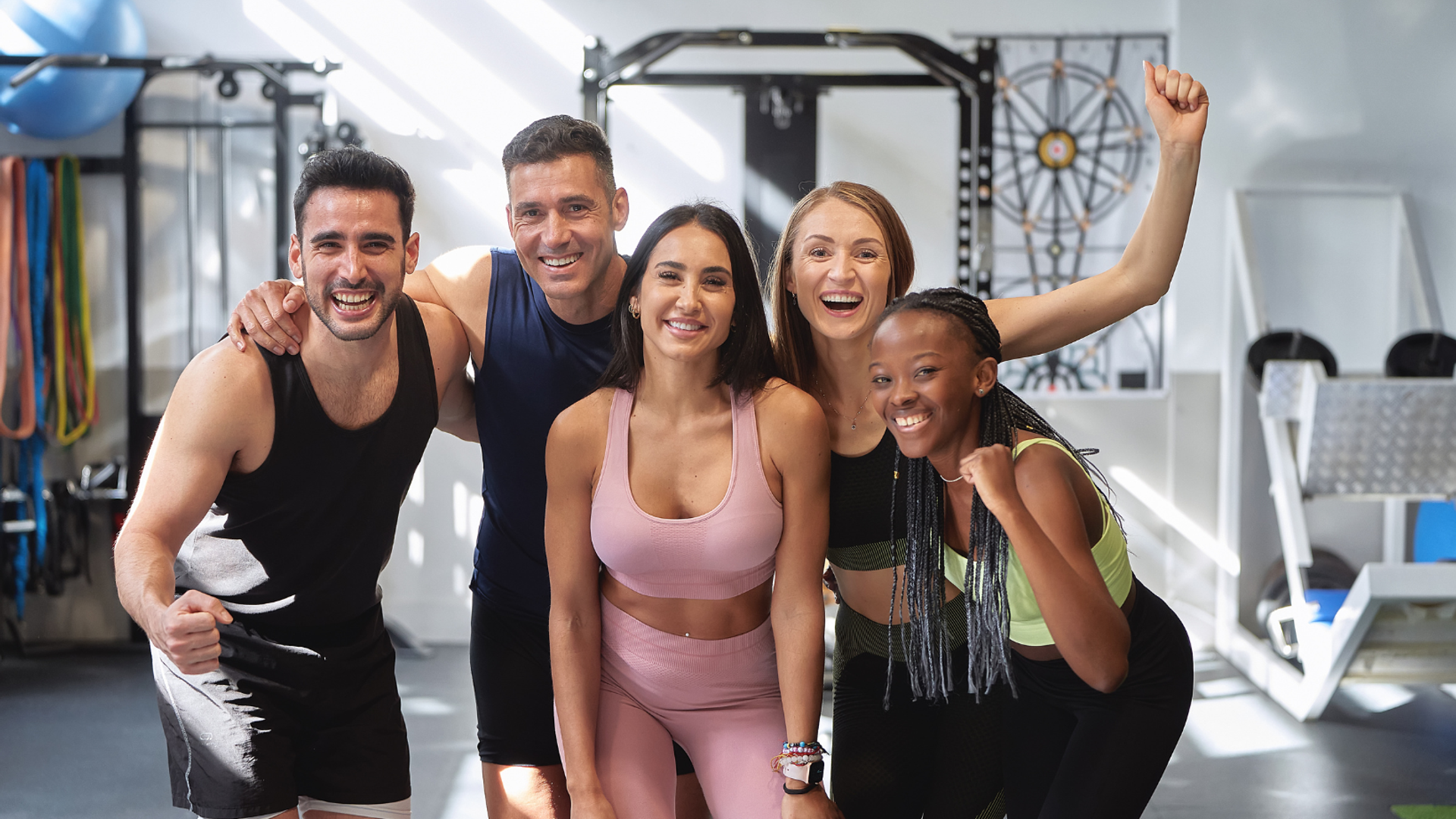
Residents are more likely to use a fitness amenity when it feels clear, welcoming, and easy to fit into the week.
- They want classes at times that match work and family schedules.
- They want instructors who can support different fitness levels.
- They want workouts that feel structured, not random.
- They want a space where beginners can feel comfortable.
- They want options beyond treadmills and basic machines.
- They want amenities that feel useful after move-in, not only during the tour.
A fitness program works better when residents can picture themselves using it more than once.
Why Beautiful Apartment Gyms Still Go Unused
Many apartment gyms are built around appearance first. The room photographs well, the equipment helps the leasing team tell a strong story, and the space makes the property feel more competitive. That still does not mean residents will use it.
Access is not the same as support. A resident can have a gym downstairs and still feel unsure about where to begin. Free weights may feel intimidating. Machines may feel confusing. A neighbor walking in can make a beginner feel exposed. That discomfort is enough to make someone leave after five minutes and never come back.
Apartment community fitness should reduce that uncertainty. If the resident knows a class is scheduled, an instructor will guide the workout, and modifications will be available, showing up feels easier.
The strongest amenities help residents take action. A quiet fitness room may look polished, but a guided class gives people a reason to walk through the door.
What Most Buildings Get Wrong About Fitness Amenities
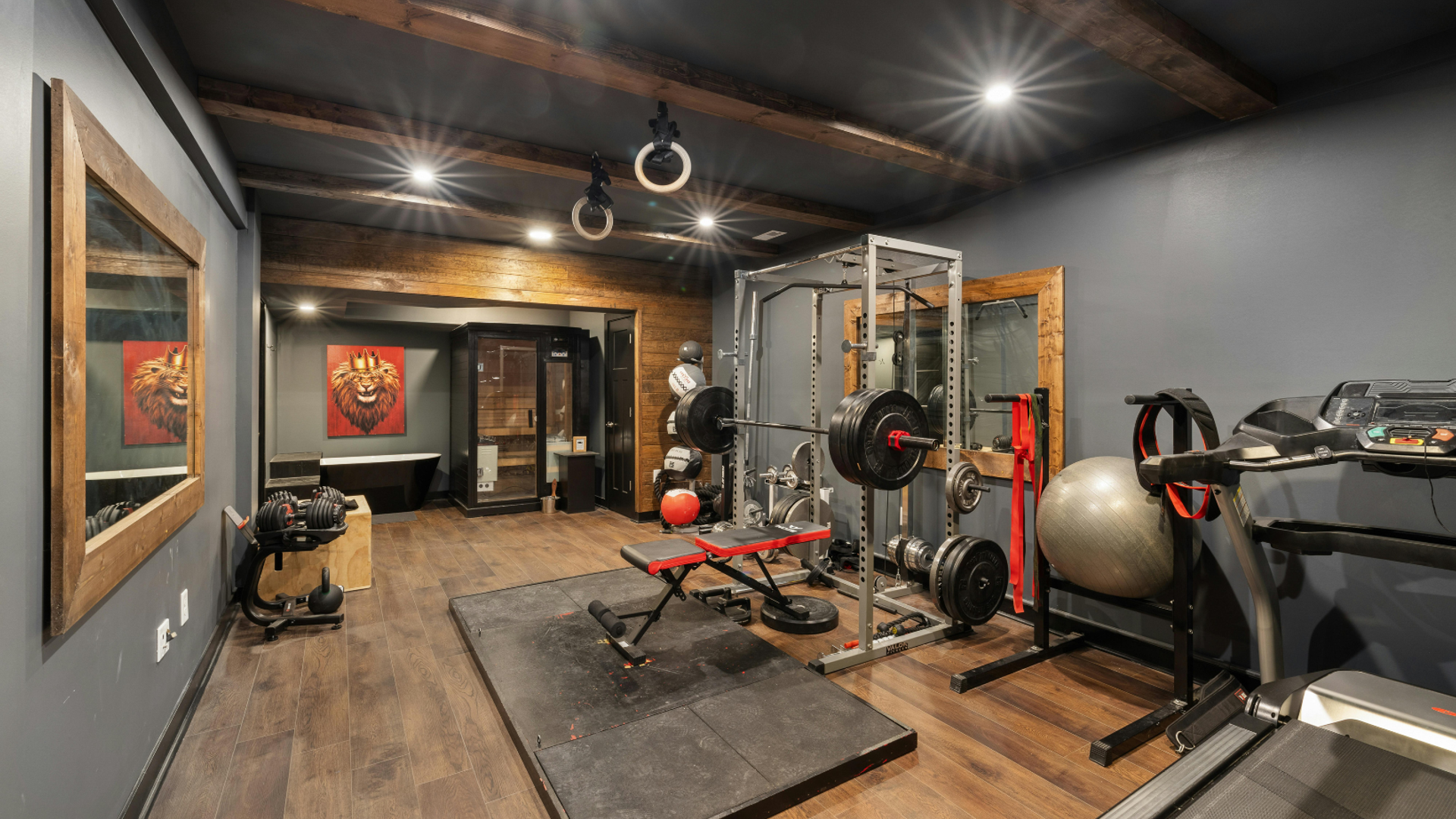
Many buildings treat the fitness center as a finished amenity once the equipment is installed. The thinking is simple: if residents want to exercise, the room is there. That approach misses how people use fitness in real life.
Most residents are not fitness experts. They may have goals, but they do not always know how to train safely, progress exercises, or build a balanced plan. They may also struggle with motivation, especially if they are training alone.
A building that offers only equipment leaves the hardest part to the resident. That can lead to low use, poor resident satisfaction, and wasted amenity value.
Professional programming changes the role of the fitness center. The gym becomes an active service, not a passive room. It gives residents a schedule, a coach, a format, and a sense that the property is investing in their daily experience.
Why Guided Classes Feel More Valuable Than Equipment Alone
Guided classes remove the guesswork. Residents do not have to plan the workout, choose exercises, or worry about whether their form is correct. The instructor sets the flow and helps the group move safely.
That structure is especially valuable for beginners. A resident who would never walk into the gym alone may feel willing to attend a beginner-friendly class. The group setting creates accountability without making the experience feel overly intense.
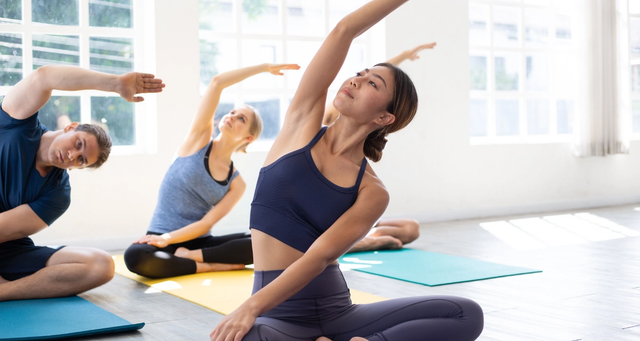
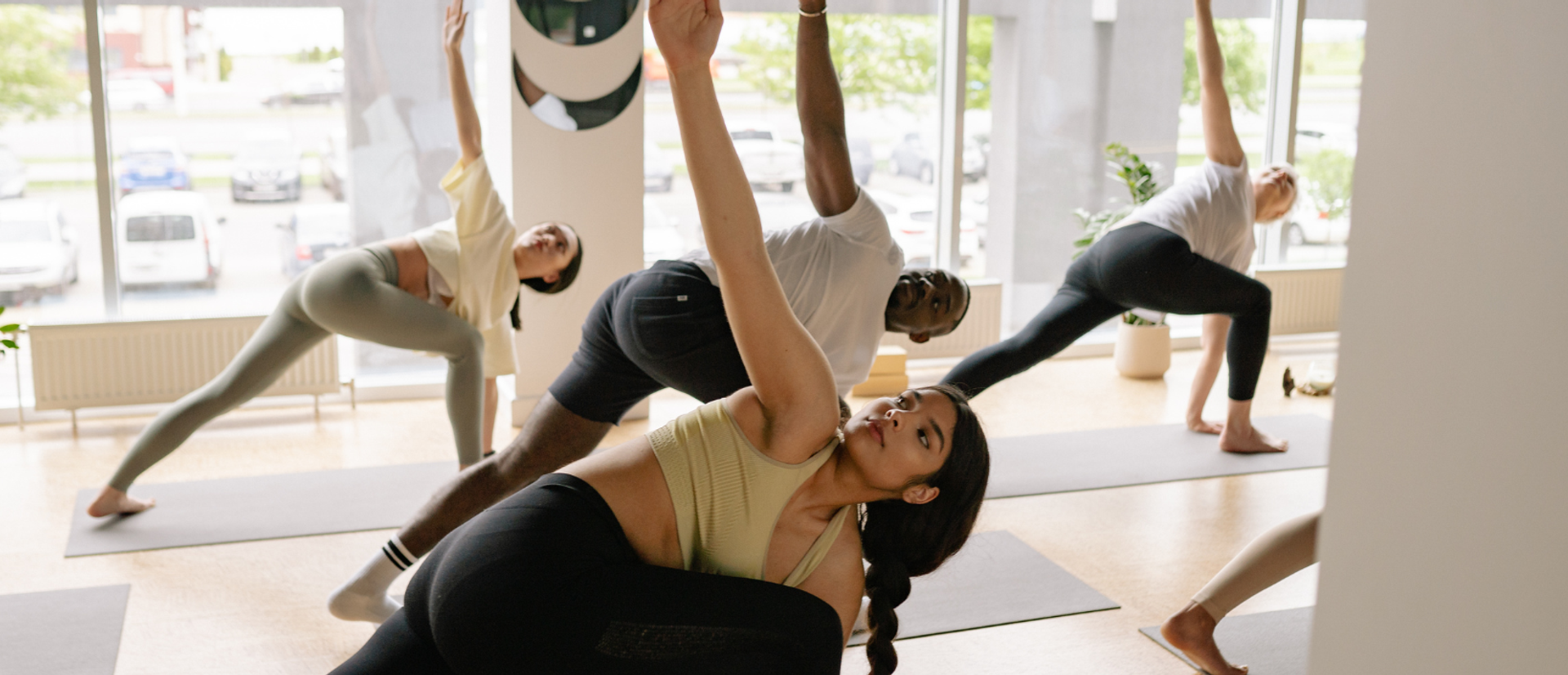
Residents also get variety. Strength circuits, mobility sessions, low-impact conditioning, yoga-style movement, and core-focused classes can all make the same space feel fresh. That variety gives people more reasons to return.
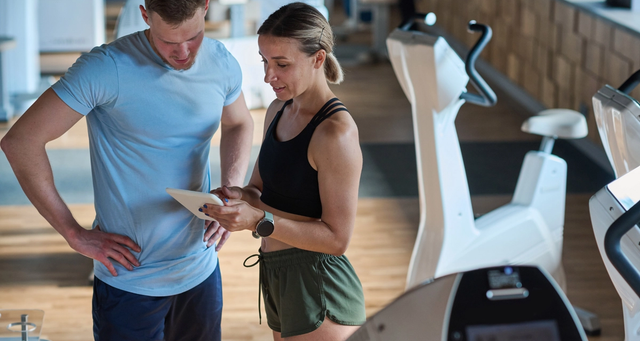
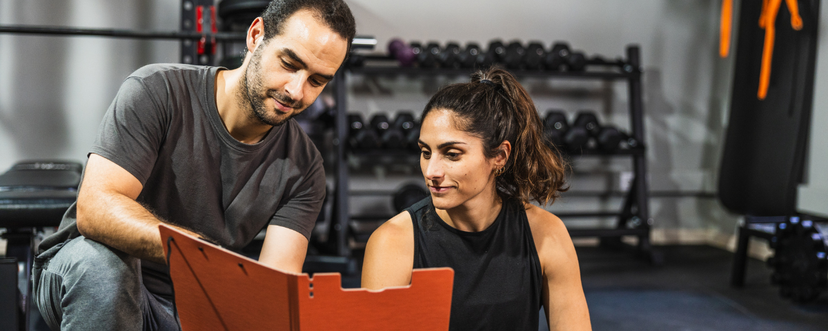
Instructor quality matters here. A building should choose professionals who can communicate clearly, adapt exercises, and create a welcoming room. The same qualities that define what makes a good personal trainer matter in a group setting too: good coaching, safety awareness, patience, and the ability to meet people where they are.
Start your Svetness journey today
Get a free consultation and see how our trainers can transform your wellness journey.
How Fitness Classes Build Resident Connection
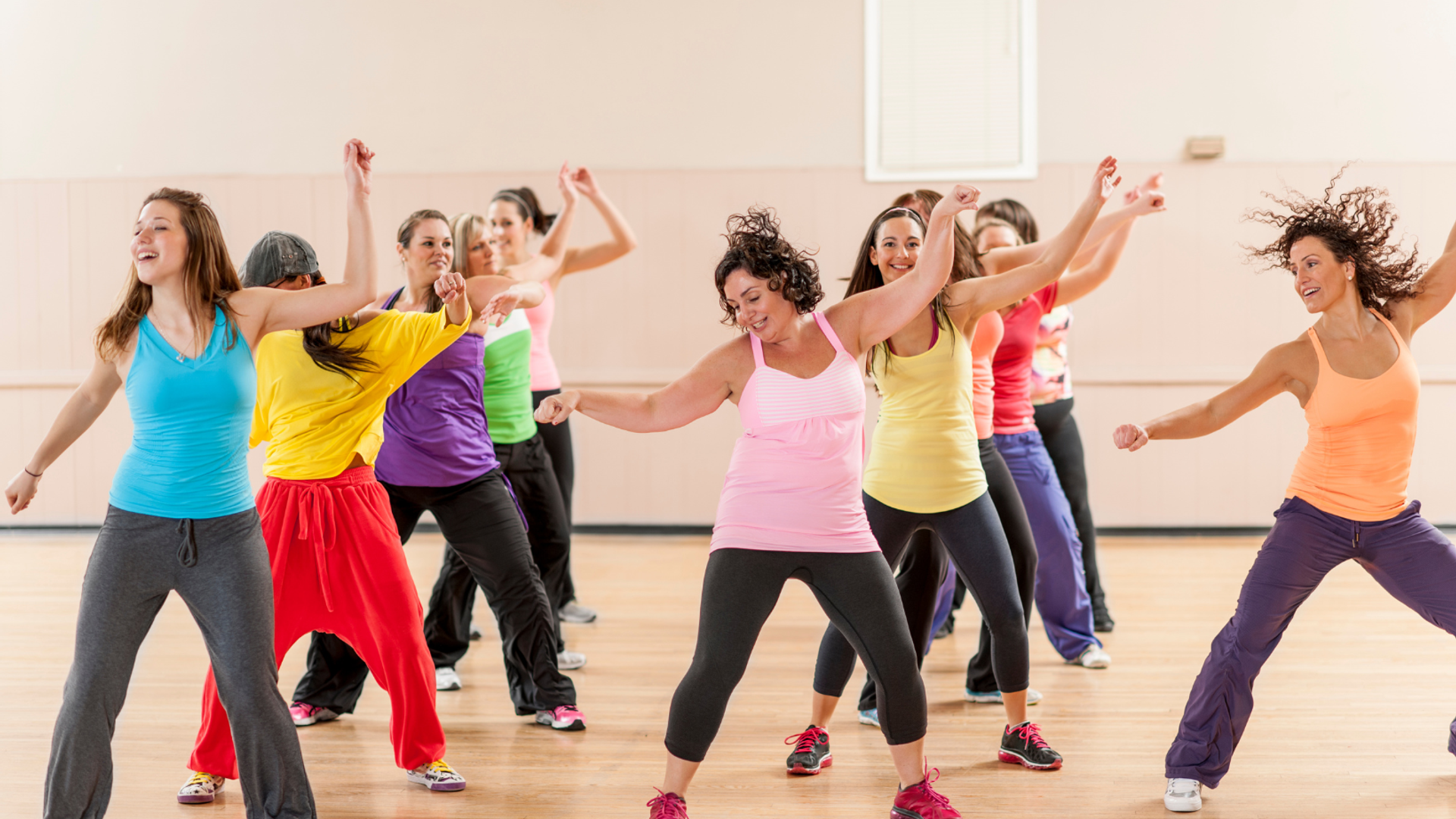
Resident events can feel forced when people have no shared reason to be there. Fitness classes create a more natural point of connection. People show up for the workout first, then begin recognizing familiar faces over time.
That repeated contact matters. A resident may start by attending one class, then chat with someone after a session, wave to that person in the elevator, and feel more connected to the building. Small interactions can make a large apartment community feel less anonymous.
Community does not have to mean loud events or constant social programming. It can grow through routines residents already value. A weekly class gives people a simple reason to gather, move, and share progress.
This is also useful for retention. Residents who use the amenities, know other people in the building, and feel that management offers useful programming may have more reasons to renew.
How to Build a Schedule Residents Can Trust
A strong apartment fitness program needs consistency. Residents should know when classes happen and what to expect when they arrive.
Early mornings and early evenings often work well because they fit around work schedules. Weekend options can support residents who travel, commute, or have packed weekdays. The best schedule may take time to refine, but it should not change so often that residents lose track.
Promotion also matters. The schedule should appear in the resident portal, lobby signage, move-in materials, elevator screens, and leasing conversations. New residents should hear about the program early, so it becomes part of how they understand the community.
Feedback should guide the next step. Property managers can ask residents which class times, formats, and intensity levels feel most useful. That input helps the program feel resident-led rather than imposed from the office.
Why Professional Management Protects the Experience
Apartment fitness classes need more than enthusiasm. A good instructor should be certified, insured, punctual, prepared, and able to manage a mixed-level room. They should understand how to adapt exercises and keep residents moving safely.
This matters for the property as much as it matters for residents. A poorly run class can weaken trust in the amenity. A strong class can make the building feel more polished, thoughtful, and resident-focused.
Professional support also helps with continuity. If one instructor is unavailable, the program should not collapse. A reliable provider can help manage scheduling, staffing, and class quality so the property team does not have to handle every detail alone.
Resident trust grows when the program feels dependable. People return when the instructor is good, the schedule is stable, and the class experience feels worth their time.
How to Measure Resident Interest and Program Value

Property managers can track attendance, repeat participation, class feedback, and renewal patterns among active residents. These numbers help show whether the program is becoming part of the community.
Resident reviews can also reveal value. If people mention classes, instructors, or the fitness program when talking about the building, the amenity has become part of the living experience.
Stories matter too. Svetness personal trainer reviews show how much people value coaching that feels supportive, personal, and consistent. The same principle applies inside an apartment community. Residents are more likely to keep using a program when they feel guided and encouraged.
A successful program should make the fitness center easier to use, easier to promote, and easier to defend as a true amenity investment.
Bring Apartment Community Fitness Classes to Your Property
Apartment community fitness should give residents more than access to equipment. It should give them structure, confidence, and a reason to use the space again.
Svetness provides apartment community fitness classes for properties that want to turn underused fitness centers into active resident amenities. With certified instructors and practical on-site programming, communities can offer fitness support that feels useful long after move-in.
Book Your Free Svetness Consultation
FAQs
What is apartment community fitness?
Apartment community fitness is a structured fitness offering within a residential property. It may include on-site classes, small-group sessions, wellness events, or instructor-led workouts in the building gym.
Why do apartment gyms often sit unused?
Residents may feel unsure about equipment, lack a clear workout plan, or feel uncomfortable exercising near neighbors without guidance. Classes can make the space easier to use.
What do residents want from apartment fitness amenities?
Many residents want convenience, guidance, class variety, supportive instructors, and schedules that fit work and family routines.
How often should apartment communities offer fitness classes?
Two to three classes per week can be a strong starting point. Larger communities or high-demand buildings may add more sessions after tracking attendance.
Can small apartment gyms still host fitness classes?
Yes. Skilled instructors can use bodyweight movements, mats, bands, dumbbells, and mobility work to create effective classes in smaller spaces.
Start your Svetness journey today
Get a free consultation and see how our trainers can transform your wellness journey.