Low-Impact HIIT Workout You Can Do Without Jumping

Get your heart rate up and burn calories without the impact. Our trainers share their favorite low-impact HIIT workout that you can do at home without jumping.
High-Intensity Interval Training (HIIT) is all the rage in the fitness world, and for good reason.
It’s a super-effective way to burn calories, improve your cardiovascular health, and boost your metabolism in a short amount of time. But for many people, the thought of a HIIT workout brings to mind images of burpees, jump squats, and other high-impact exercises that can be tough on the joints.
We had a client, a woman in her 50s named Lisa, who was intrigued by the benefits of HIIT but was afraid to try it. She had a history of knee pain, and she was worried that the jumping and pounding would make it worse. She had tried a few HIIT classes at her local gym, but she always left feeling sore and discouraged.
Like Lisa, many people are discouraged or intimidated by HIIT because they think it has to be high-impact. But here’s the secret: it doesn’t.
You can get all the benefits of a HIIT workout without any of the jumping. In fact, low-impact HIIT is actually a great option for people who are new to aerobic fitness training, have joint pain, or are just looking for a workout that’s a little gentler on the body.
At Svetness, we believe that fitness should be accessible to everyone, regardless of their age or fitness level. That’s why we’ve created this guide to low-impact HIIT workouts, with all the same principles we used to help Lisa fall in love with HIIT and get in the best shape of her life.
What is Low-Impact HIIT?
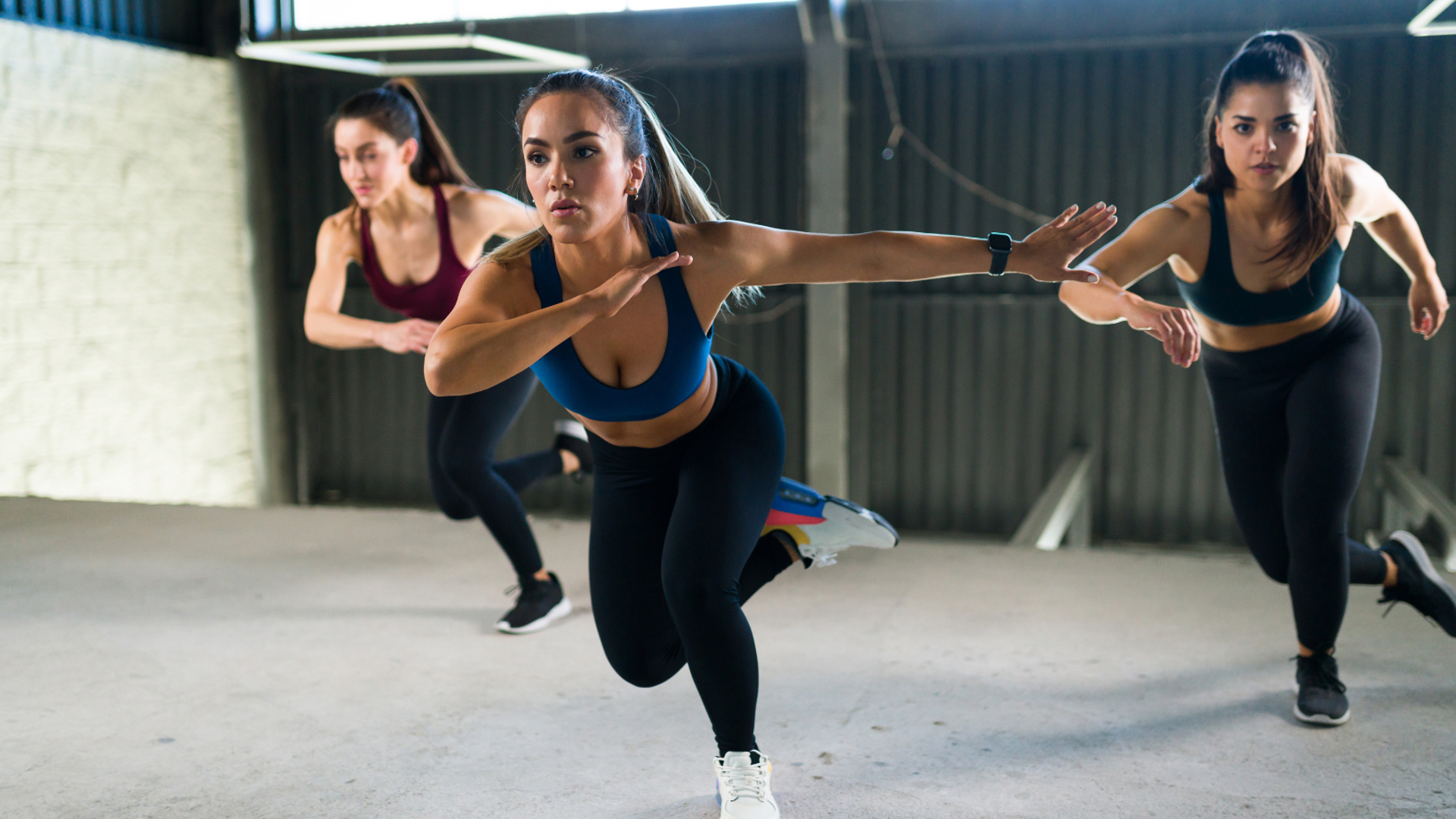
Low-impact HIIT is a form of high-intensity interval training that minimizes the stress on your joints. It involves alternating between short bursts of intense exercise and brief periods of rest or active recovery, just like a traditional HIIT workout.
The key difference with low-impact HIIT is that at least one foot is on the ground at all times. This eliminates the jumping and pounding that can be so jarring to your joints.
The Benefits of Low-Impact HIIT
Low-impact HIIT offers all the same benefits as traditional HIIT, without the stress on your joints. Here are just a few of the reasons why you should give it a try:
- It’s Joint-Friendly: This is the biggest benefit of low-impact HIIT. It’s a great option for people with arthritis, knee pain, or other joint issues.
- It’s Effective: Don’t let the term “low-impact” fool you. A low-impact HIIT workout can be just as challenging and effective as a high-impact one. You’ll still get your heart rate up, burn calories, and improve your fitness.
- It’s Versatile: You can do a low-impact HIIT workout anywhere, with little to no equipment. It’s a great option for at-home workouts or for when you’re traveling.
- It’s Great for All Fitness Levels: Beginners can move at a comfortable pace while learning proper form, while more experienced exercisers can increase intensity through speed, resistance, or longer work intervals.
A Sample Low-Impact HIIT Workout
Ready to give it a try? Here’s a sample low-impact HIIT workout that you can do at home with no equipment. Perform each exercise for 45 seconds, followed by 15 seconds of rest. Complete the entire circuit 3-4 times.
Low-impact HIIT workout example
• Marching in place
How to perform it: March in place, lifting your knees comfortably while keeping your posture tall
Purpose: Warms up the body and raises heart rate
• Bodyweight squats
How to perform it: Stand with feet shoulder-width apart and toes slightly out. Lower hips back and down as if sitting in a chair, keeping chest up and back straight. Press through heels to stand
Purpose: Builds lower-body strength and improves mobility
• Modified jumping jacks
How to perform it: Step feet out one at a time instead of jumping, moving arms as you would in a traditional jumping jack
Purpose: Increases heart rate without joint impact
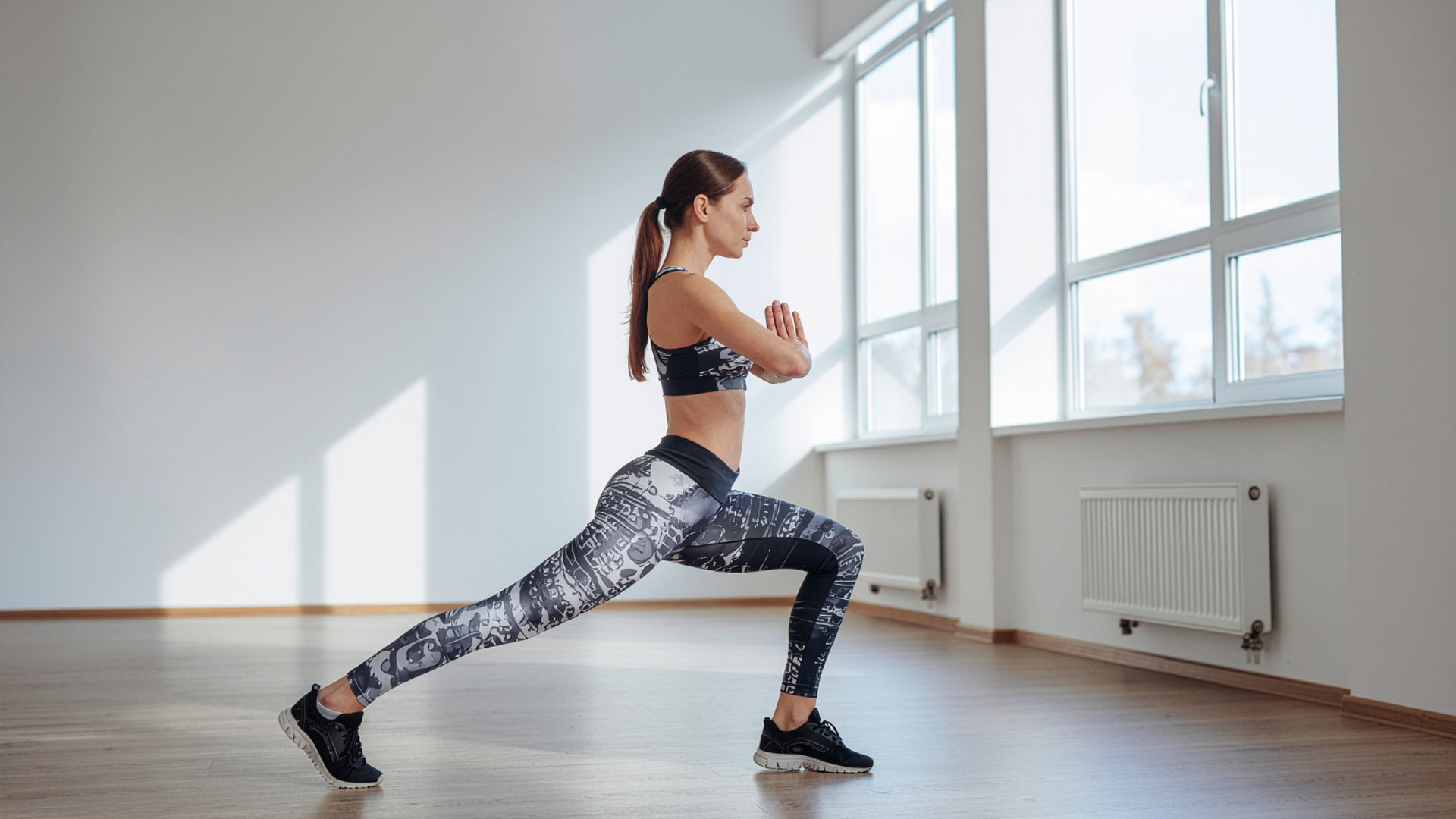
• Alternating reverse lunges
How to perform it: From standing, step one foot back into a lunge, bend both knees, then return to standing and switch sides
Purpose: Strengthens legs and improves balance
• Slow mountain climbers
How to perform it: From a high plank, slowly bring one knee toward the chest at a time while keeping core engaged
Purpose: Builds core strength and cardiovascular endurance
The Role of a Personal Trainer
When it comes to getting the most out of low-impact HIIT, a personal trainer can make all the difference.
They not only build workouts around your fitness level, they can also help you choose the right exercises and adjust the intensity so you’re working hard without putting extra strain on your joints. And on days when motivation is low, a trainer is there to keep you consistent and encouraged, showing you that you can still challenge yourself and make progress (even without jumping).
Start your Svetness journey today
Get a free consultation and see how our trainers can transform your wellness journey.
Making Fitness Work for You
The most important thing to remember is that fitness is not one-size-fits-all. The best workout is the one that you enjoy and that you can stick with.
If high-impact HIIT is not for you, that's okay. There are plenty of other ways to get a great workout; low-impact HIIT is just one of them.
Progressive Overload in Low-Impact HIIT
One of the keys to continued progress with low-impact HIIT is progressive overload. This means gradually increasing the intensity of your workouts over time. You can do this by increasing the duration of your work intervals, decreasing the duration of your rest intervals, or increasing the intensity of the exercises themselves.
For example, you might start with 30-second work intervals and 30-second rest intervals. After a few weeks, you might increase the work intervals to 45 seconds. A few weeks later, you might decrease the rest intervals to 15 seconds. By gradually increasing the challenge, you'll continue to see progress and avoid plateaus.
Lisa's trainer used progressive overload to help her continue to improve. Every few weeks, they would adjust her workouts to make them slightly more challenging. Lisa was amazed at how quickly she adapted and how much stronger she became. She went from barely being able to complete the initial workout to being able to do advanced variations of the exercises.
Combining Low-Impact HIIT with Other Forms of Exercise
While low-impact HIIT is a fantastic workout on its own, it's even more effective when combined with other forms of exercise. For example, you might do low-impact HIIT two to three times a week, and then do some strength training or yoga on the other days.
This combination approach gives you the best of both worlds. You get the cardiovascular benefits and the calorie-burning power of HIIT, plus the strength-building benefits of resistance training and the flexibility and mobility benefits of yoga.
At Svetness, we believe in a holistic approach to fitness. We don't just focus on one type of exercise. We create personalized programs that incorporate a variety of different types of exercise to help you reach your fitness goals and to keep your workouts fresh and interesting.
If you're ready to find a fitness routine that works for you, we're here to help. Our team of experienced personal trainers can create a personalized plan just for you. We'll be with you every step of the way, providing you with the guidance, support, and accountability you need to succeed.
Contact us today to get started with one of our Svetness personal trainers!
FAQs About Low-Impact HIIT Exercises
Can you lose weight with low-impact HIIT?
Yes, you can definitely lose weight with low-impact HIIT. It’s a great way to burn calories and boost your metabolism. And when you combine it with a healthy diet, it can be a very effective tool for weight loss.
How many times a week should I do low-impact HIIT?
We recommend doing low-impact HIIT two to three times a week, with at least one day of rest in between. This will give your body time to recover and to get stronger.
Is low-impact HIIT as effective as high-impact HIIT?
Yes, it can be. The key is to work at a high intensity during your work intervals. As long as you’re pushing yourself, you’ll get a great workout, whether you’re jumping or not.
What are some other examples of low-impact exercises?
Some other great low-impact exercises include swimming, cycling, rowing, and using the elliptical machine.
Can I do low-impact HIIT if I’m a beginner?
Yes, low-impact HIIT is a great option for beginners. It’s a great way to get started with HIIT without putting too much stress on your body. As you get stronger, you can gradually increase the intensity and the duration of your workouts.
Start your Svetness journey today
Get a free consultation and see how our trainers can transform your wellness journey.