What to Expect From Your First Personal Training Session

Nervous about your first personal training session? Here is what happens before the workout, during the assessment, and after you finish.
Your first personal training session should feel like a proper introduction, not a surprise fitness test. Most people arrive with a few quiet worries. Will the trainer judge my fitness level? Will the workout be too hard? What if I do an exercise wrong? What should I say about injuries or goals?
A good trainer expects those questions. The first appointment is usually slower and more conversational than people imagine. You will talk through your goals, health background, daily routine, previous exercise experience, and any concerns that could affect training. Your trainer may then guide you through simple movement checks and a light workout to see how your body responds.
The aim is to build a safe starting point. You should leave with a clearer sense of what your trainer noticed, what your plan may focus on, and how future sessions will be structured. The first session is less about proving yourself and more about giving your trainer the information needed to coach you well.
Start your Svetness journey today
Get a free consultation and see how our trainers can transform your wellness journey.
What Happens During Your First Personal Training Session?
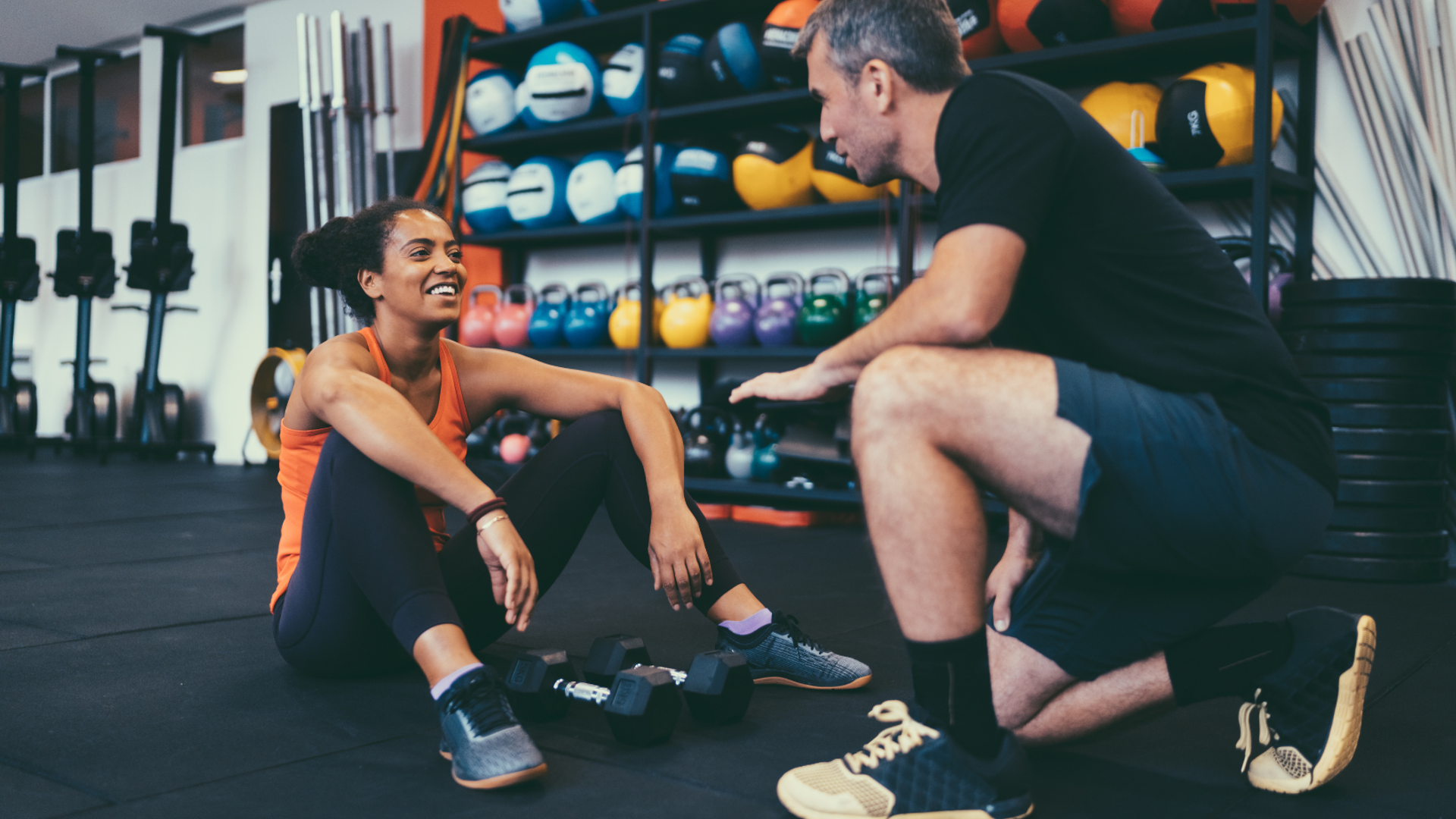
A first personal training session usually includes a consultation, health-history discussion, movement assessment, light workout, and a plan for next steps. The trainer uses the appointment to understand your goals, current fitness level, exercise confidence, and any limits that could affect the program.
You can usually expect:
- A short conversation about your goals and schedule
- Questions about injuries, health history, pain, and past training
- Basic movement checks such as squats, hinges, reaches, or core work
- A light workout matched to your current ability
- Coaching on form, breathing, pace, and comfort
- A discussion about session frequency, recovery, and next steps
The first session should feel measured, respectful, and useful. It should not leave you feeling overwhelmed before the program has even begun.
Arrive Ready to Talk Honestly
Your trainer needs to understand what brought you there. Some clients want weight loss, strength, more energy, better mobility, or help returning after time away. Others want to feel more confident using weights or build a routine that finally sticks.
Be honest about your starting point. If you have not exercised in years, say that. If you feel nervous in gyms, say that too. If you have tried several routines and dropped them after two weeks, that information helps your trainer build a plan that fits you better.
You should also talk about your schedule. A strong workout plan has to fit your real week. Work hours, childcare, travel, sleep, stress, and recovery can all affect how often you train and how demanding the sessions should be.
Our article on how Svetness trainers build fitness plans explains how trainers use your goals, ability, and routine to shape a program that feels realistic.
Health History Comes Before Harder Movement
A responsible trainer will ask about health history before asking you to work hard. That may include past injuries, surgeries, joint discomfort, balance concerns, medications that affect exercise, cardiovascular symptoms, or current pain.
This is not meant to make the session feel clinical. It helps your trainer choose safer movements and avoid unnecessary strain. Knee pain, shoulder tightness, back discomfort, dizziness, or recent surgery can all change the plan.
A personal trainer can guide exercise, modify movements, and support safe training habits. They cannot diagnose medical conditions, treat injuries, or replace medical care. Ongoing pain, unexplained symptoms, recent medical procedures, or serious health concerns should be discussed with a licensed healthcare professional before harder exercise.
Clear information helps your trainer coach you with more care. Holding back details can make the first workout less useful.
Movement Checks Are Not a Pass or Fail Test
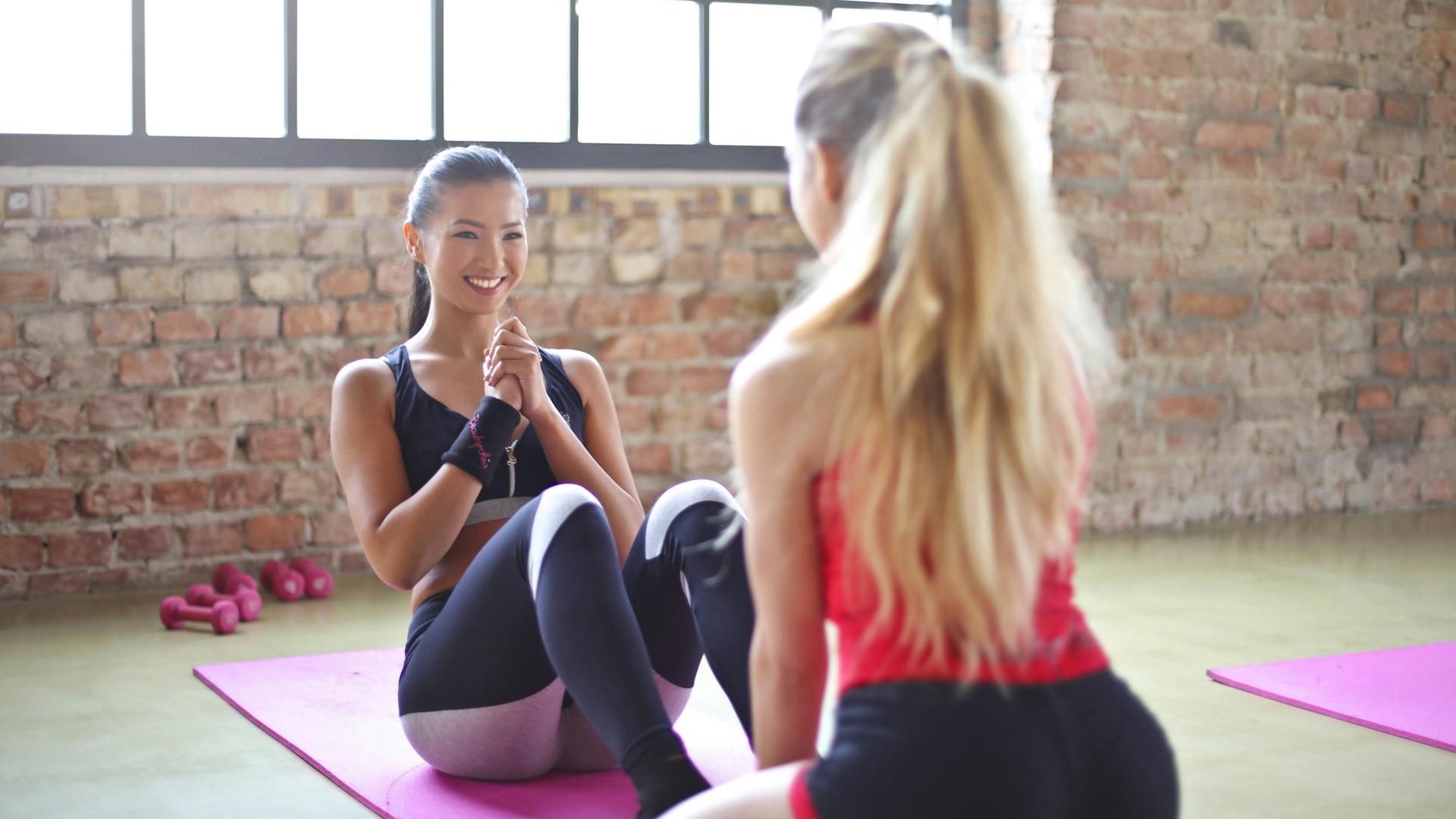
The movement assessment is often the part people worry about most. It should not feel like an exam. Your trainer is looking at how your body moves so they can choose the right exercises.
You may be asked to squat to a box or chair, hinge at the hips, reach overhead, balance on one leg, step forward, perform a modified push-up, or hold a simple core position. These movements give the trainer a sense of mobility, control, stability, posture, and confidence.
If something feels awkward, that is useful information. If your balance feels shaky or your range of motion is limited, the trainer can adapt the plan. The assessment is there to help you train better, not to embarrass you.
A good trainer should explain what they are asking you to do and why. You should feel able to ask questions during the process.
Start your Svetness journey today
Get a free consultation and see how our trainers can transform your wellness journey.
Your First Workout Will Usually Be Light
Many first sessions include a short workout, but it should be matched to your current ability. The trainer may use bodyweight exercises, resistance bands, light dumbbells, mobility work, or simple conditioning.
The aim is not to make you sore for days. The trainer is learning how you respond to coaching, effort, rest, and movement. They may adjust the session based on your breathing, form, balance, energy, and feedback.
You should be encouraged to speak up. Tell your trainer if an exercise feels painful, confusing, too easy, or too hard. Good coaching is responsive. The first workout should help you feel more confident about training, not worried about coming back.
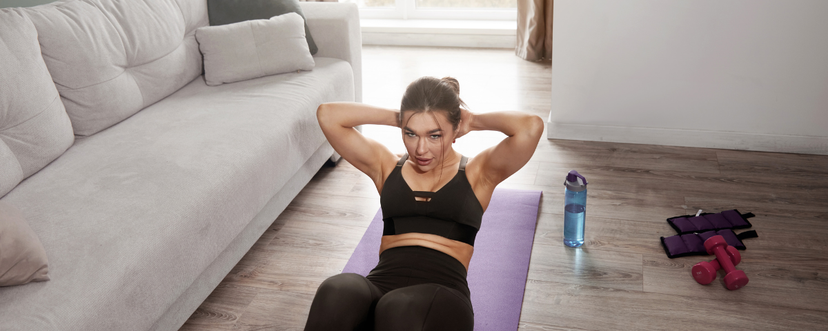
If you are training at home, your trainer may also look at your available space and adapt the session around it. You do not need a full gym to have a productive first appointment.
Form Cues Help You Understand Your Body
Form coaching is one of the most useful parts of a first session. Small cues can change how an exercise feels. Your trainer may adjust your stance, pace, breathing, hand position, or range of motion.
The best cues are clear and practical. You should not feel flooded with technical language. A trainer might show the movement, watch you try it, then give one or two changes at a time.
This is where many clients start to feel the value of coaching. Exercises that once felt awkward can begin to make sense. You may realize that a squat, row, plank, or lunge feels different when the setup is right.
Our guide to what makes a good personal trainer explains the coaching qualities that help clients feel supported, including clear instruction, patience, and adaptability.
The Trainer Should Explain the Plan Afterward

A strong first session should end with a conversation about what happens next. Your trainer may talk through what they noticed, what your early program might focus on, and how many sessions per week could suit your goals.
You might discuss strength, mobility, weight loss, balance, conditioning, posture, or general consistency. The trainer should also explain what you can do between sessions if independent movement is part of the plan.
Ask questions here. How will progress be tracked? What should you expect after the first workout? How sore is normal? What happens if your schedule changes? What should you do if an exercise causes discomfort?
The next step should feel clear before you leave or log off.
What to Wear and Bring
Wear comfortable athletic clothing that lets you move without restriction. Supportive athletic shoes are usually a good choice unless your trainer gives different guidance for a specific setting or movement.
Bring water and any paperwork you were asked to complete. If you train at home, clear a small workout area, move fragile items, and make sure pets or loose rugs will not get in the way.
You do not need to buy equipment before the first session unless your trainer specifically asked you to. Many trainers can bring portable tools or begin with bodyweight movements.
The simpler the setup, the easier it is to focus on the session itself.
Walk Into the First Session With a Clearer Head
Your first appointment should take away uncertainty, not add to it. You are there to talk, move, ask questions, and give your trainer a clear picture of your starting point. You do not need to be fit before hiring a trainer.
At Svetness, we match clients with certified trainers who can coach in homes, apartment gyms, outdoor spaces, virtual settings, and other suitable locations. If you are ready to book your first personal training session, we can help you take the next step.
Book Your Free Svetness Consultation
FAQs
What should I wear to my first personal training session?
Wear comfortable workout clothes that let you squat, reach, bend, and move easily. Supportive athletic shoes are usually helpful, especially if your session includes standing strength work or light conditioning.
Will my first personal training session be hard?
The first session is usually moderate because your trainer is assessing your starting point. You may do a light workout, but the focus is on safe movement, communication, and planning.
Do I need to bring anything to the session?
Bring water and any forms or health information your trainer requested. If your session is at home, clear enough space to move safely and remove loose items that could get in the way.
Can I do a first session if I have an injury?
You may be able to train with modifications, depending on the injury and your medical guidance. Tell your trainer about pain, limitations, treatment history, and any instructions from a healthcare professional.
How long does a first personal training session take?
Many first sessions last around 45 to 60 minutes. The time may include conversation, health-history questions, movement checks, a light workout, and a plan for future sessions.
Start your Svetness journey today
Get a free consultation and see how our trainers can transform your wellness journey.