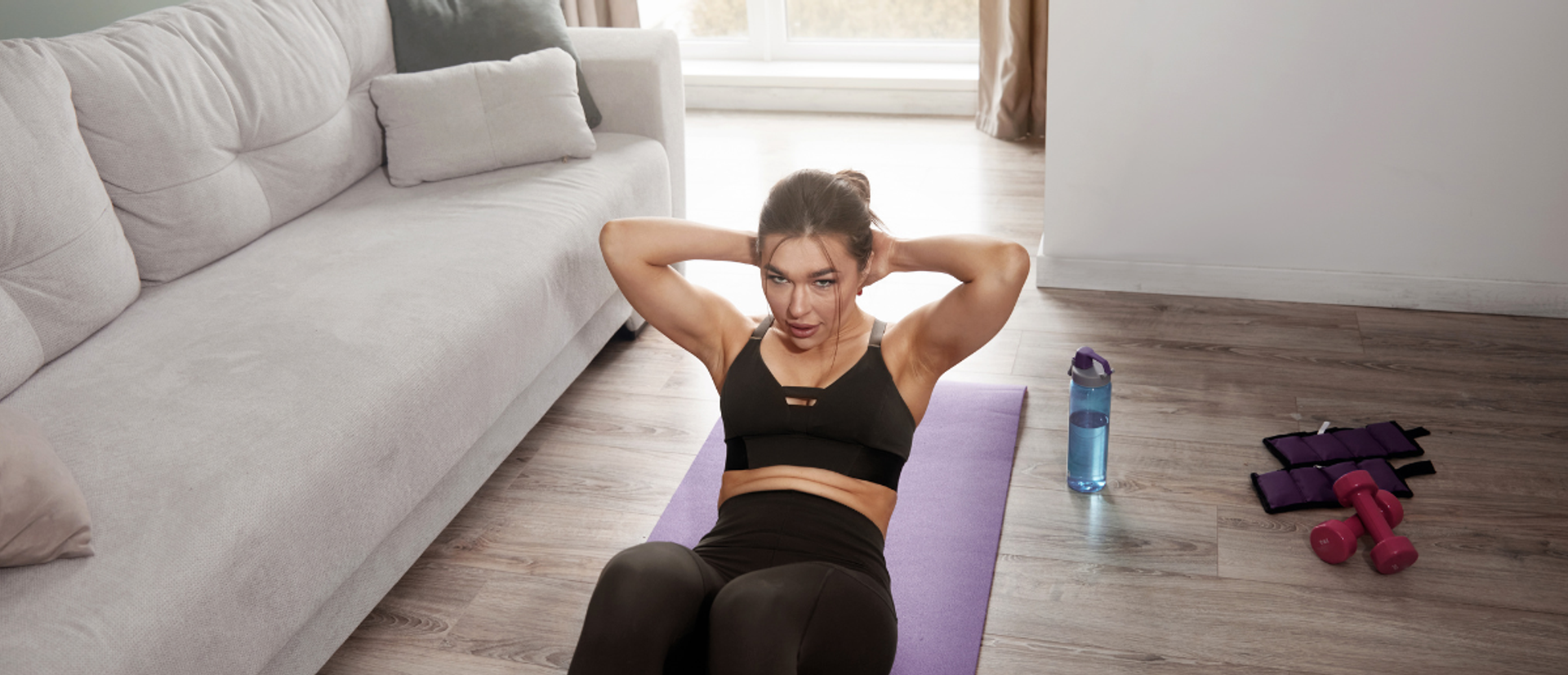
Best Strength Training Exercises for Beginners at Home

Trying strength training exercises for beginners at home? Start with simple moves that build confidence, control, and full-body strength.
Strength training at home can feel surprisingly awkward at first. You might have a little floor space, a pair of light dumbbells, a resistance band, or no equipment at all. You may also wonder which moves are safe to try, how hard they should feel, and how to avoid doing too much too soon.
The good news is that beginner strength work does not need a full gym setup. It needs a small group of repeatable movements that teach your body how to squat, hinge, push, pull, brace, and carry with control. Those patterns show up in daily life every time you stand up, pick something up, climb stairs, open a heavy door, or carry groceries.
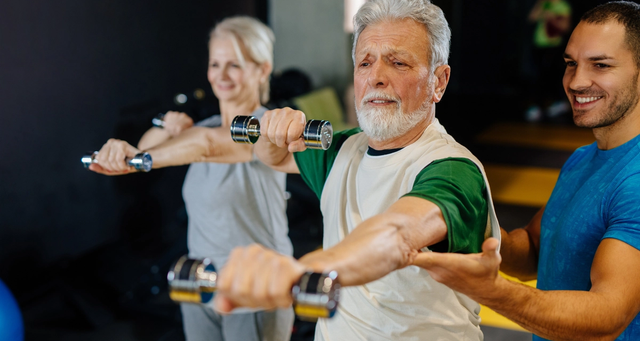
If you want more guidance, you can work with a strength training personal trainer who can check your form, build a plan around your space, and help you progress safely. For beginners, the goal is simple: move well first, then gradually add more challenges.
Start your Svetness journey today
Get a free consultation and see how our trainers can transform your wellness journey.
Which Strength Training Exercises Should Beginners Start With?
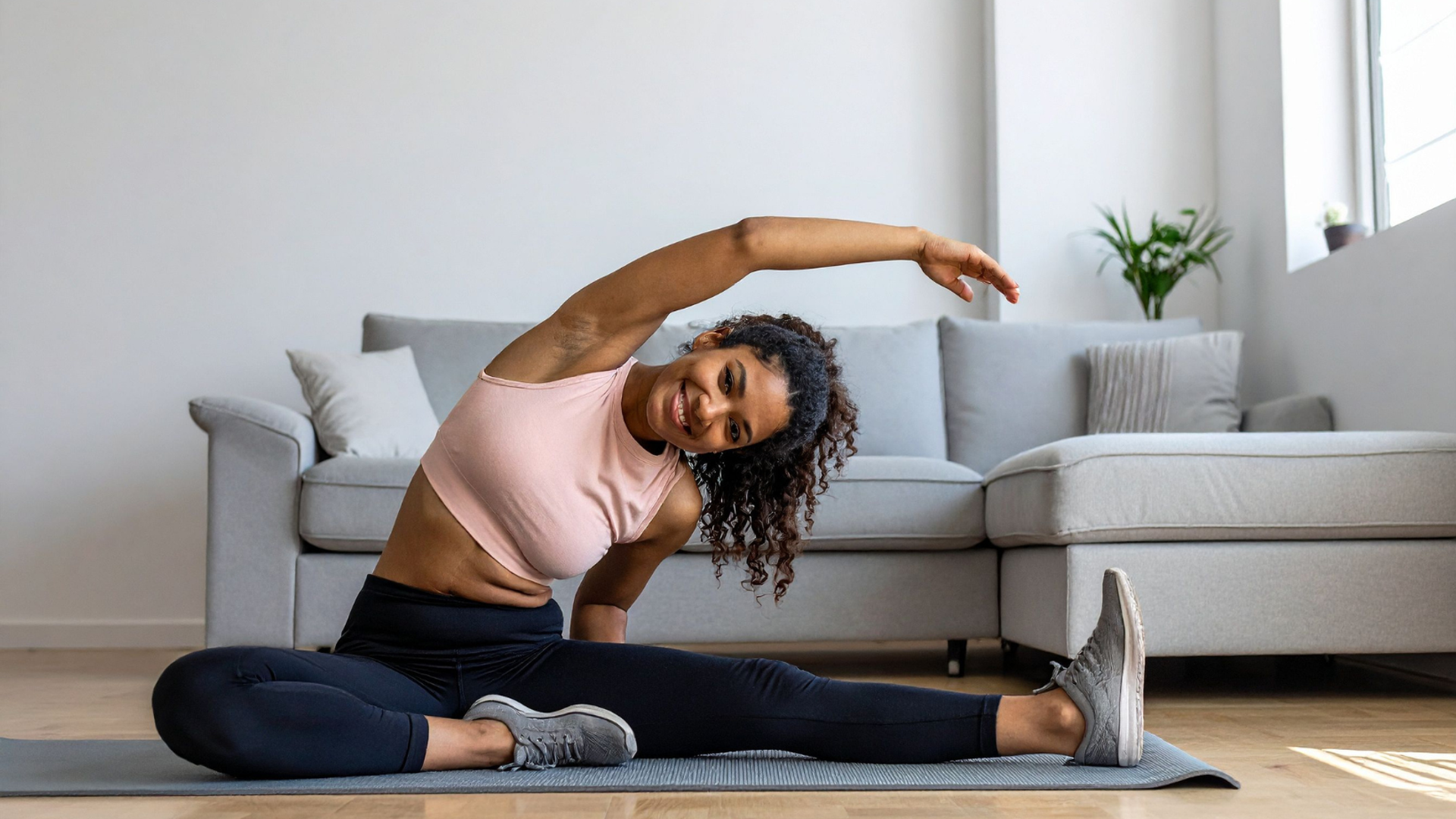
The best strength training exercises for beginners are simple, controlled movements that train the whole body without needing complicated equipment. At home, focus on exercises that build leg strength, hip strength, upper-body control, core stability, and balance.
A strong beginner routine may include:
- Sit-to-stand squats for legs and control
- Wall push-ups for chest, shoulders, and arms
- Glute bridges for hips and lower-body support
- Resistance band rows for back strength
- Step-ups for legs, balance, and stairs
- Dead bugs for core control
- Farmer carries for grip, posture, and everyday strength
Start with easier versions, keep the movement smooth, and add challenge only when your form feels steady.
Before You Add Reps, Build Control
A beginner strength routine should feel clear, not chaotic. The first few weeks are about learning movement patterns and building confidence. That means slower reps, steady breathing, and enough rest to keep form clean.
Pain is a signal to stop or modify. Mild muscle effort is expected. Sharp pain, joint pain, dizziness, or unusual discomfort needs attention. Anyone with medical concerns, recent surgery, chest symptoms, balance issues, or ongoing pain should speak with a licensed healthcare professional before starting a new routine.
Pick two or three training days per week at first. That gives your body time to recover while helping the habit become familiar. Sessions do not need to be long. A focused 20 to 35 minutes can be enough for many beginners.
Our guide to what to expect at your first personal training session explains how a coach may assess movement, goals, and comfort before building a plan.
Sit-to-Stand Squats
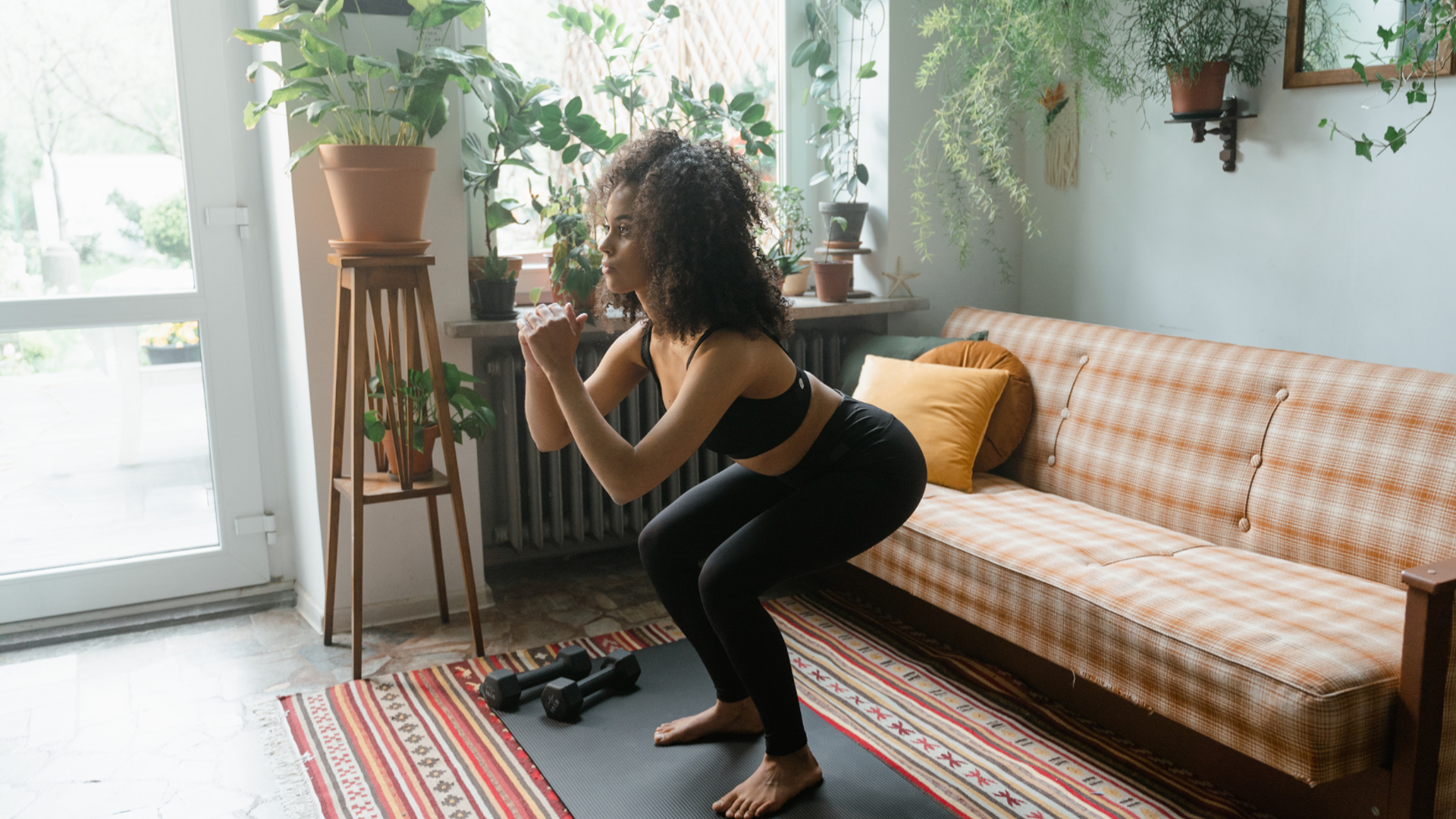
Sit-to-stand squats are one of the most useful strength training exercises for beginners because they connect directly to daily life. You already use this pattern when getting out of a chair, off the couch, or up from a bench.
Set up with a stable chair behind you. Place your feet about hip-width apart, keep your chest lifted, and sit back toward the chair with control. Stand back up by pressing through your feet and squeezing your glutes at the top.
The chair gives you a clear target and helps limit the range if deep squats feel uncomfortable. As you get stronger, you can use a lower chair, slow the lowering phase, or hold a light weight close to your chest.
This move should feel steady through the legs and hips. If your knees cave inward or your back rounds heavily, reduce the range and slow down.
Wall Pushups
Wall pushups help beginners build upper-body strength without dropping straight to the floor. They train the chest, shoulders, arms, and core while keeping the movement accessible.
Stand facing a wall with your hands at about chest height. Step your feet back slightly, keep your body long, and bend your elbows to bring your chest closer to the wall. Press back to the start with control.
The farther your feet are from the wall, the harder the movement becomes. A kitchen counter or sturdy table can be the next step before floor pushups.
Keep your elbows at a comfortable angle and avoid letting your shoulders shrug toward your ears. Your body should move as one piece, with the core gently braced.
Glute Bridges
Glute bridges strengthen the hips and back of the legs. They are useful for beginners who sit a lot, feel weak through the hips, or want better support for walking, stairs, and lower-body exercises.
Lie on your back with your knees bent and feet flat on the floor. Press through your heels, lift your hips, and squeeze your glutes at the top. Lower back down with control.
The goal is to feel the glutes working without arching the lower back. If your hamstrings cramp, bring your feet slightly closer or focus on pressing evenly through both feet.
Progress can come through slower reps, longer holds at the top, single-leg variations later on, or adding a light dumbbell across the hips once the movement feels reliable.
Resistance Band Rows
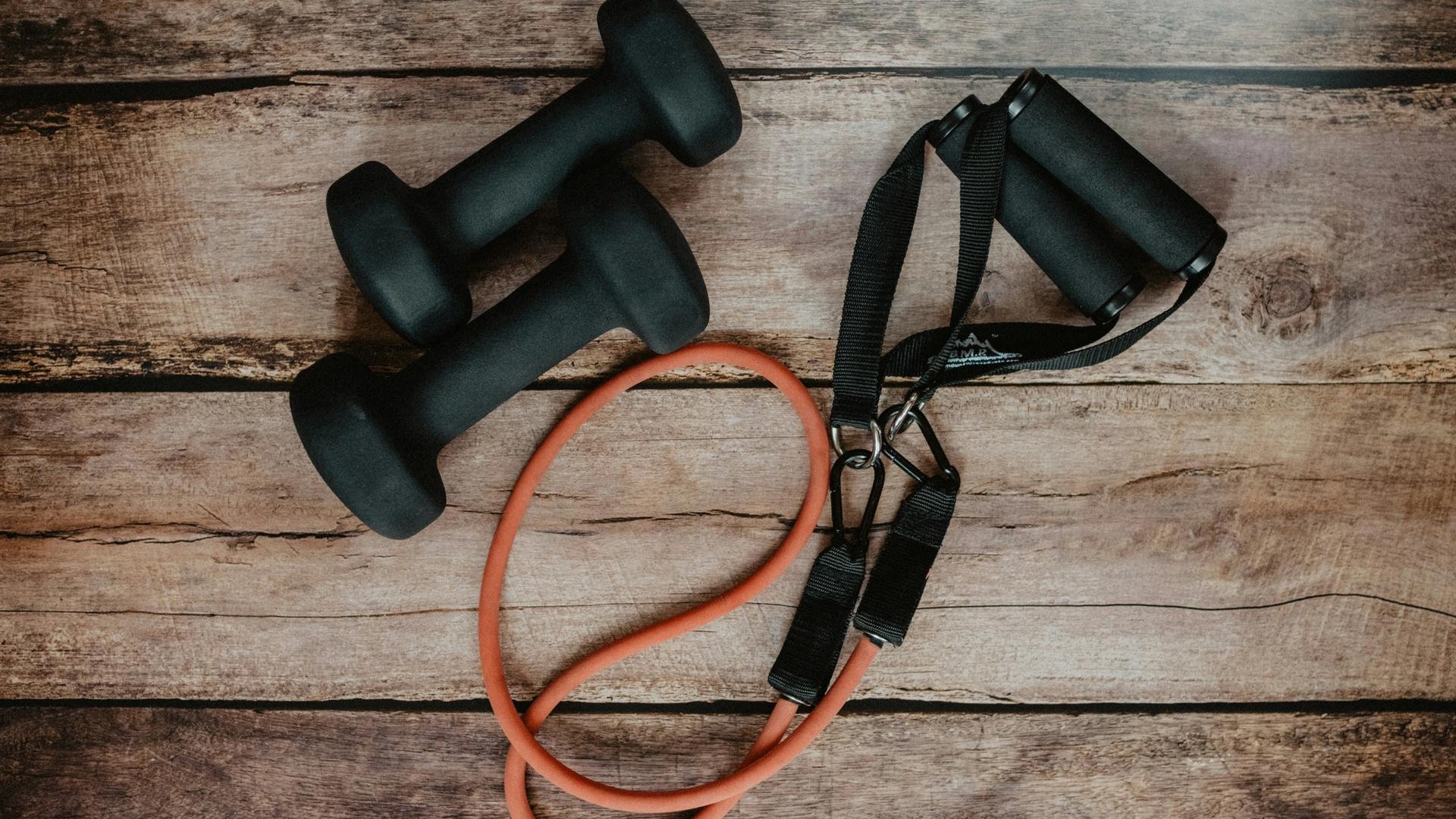
Rows help balance out pushing exercises and support better posture. They strengthen the upper back, rear shoulders, and arms, which can be useful if you spend a lot of time at a desk.
Use a resistance band anchored safely at chest height, or loop it around a sturdy object that will not move. Hold one end in each hand, pull your elbows back, and squeeze your shoulder blades gently. Return slowly.
Keep your ribs down and avoid leaning backward to make the band move. The upper back should do the work.
Band rows are one of the easiest strength training exercises for beginners to scale. A lighter band gives less resistance. Standing farther back or using a thicker band adds challenge.
Our article on custom workout plans vs generic fitness programs explains why exercise choices should fit your starting point, space, and goals.
Start your Svetness journey today
Get a free consultation and see how our trainers can transform your wellness journey.
Step-Ups
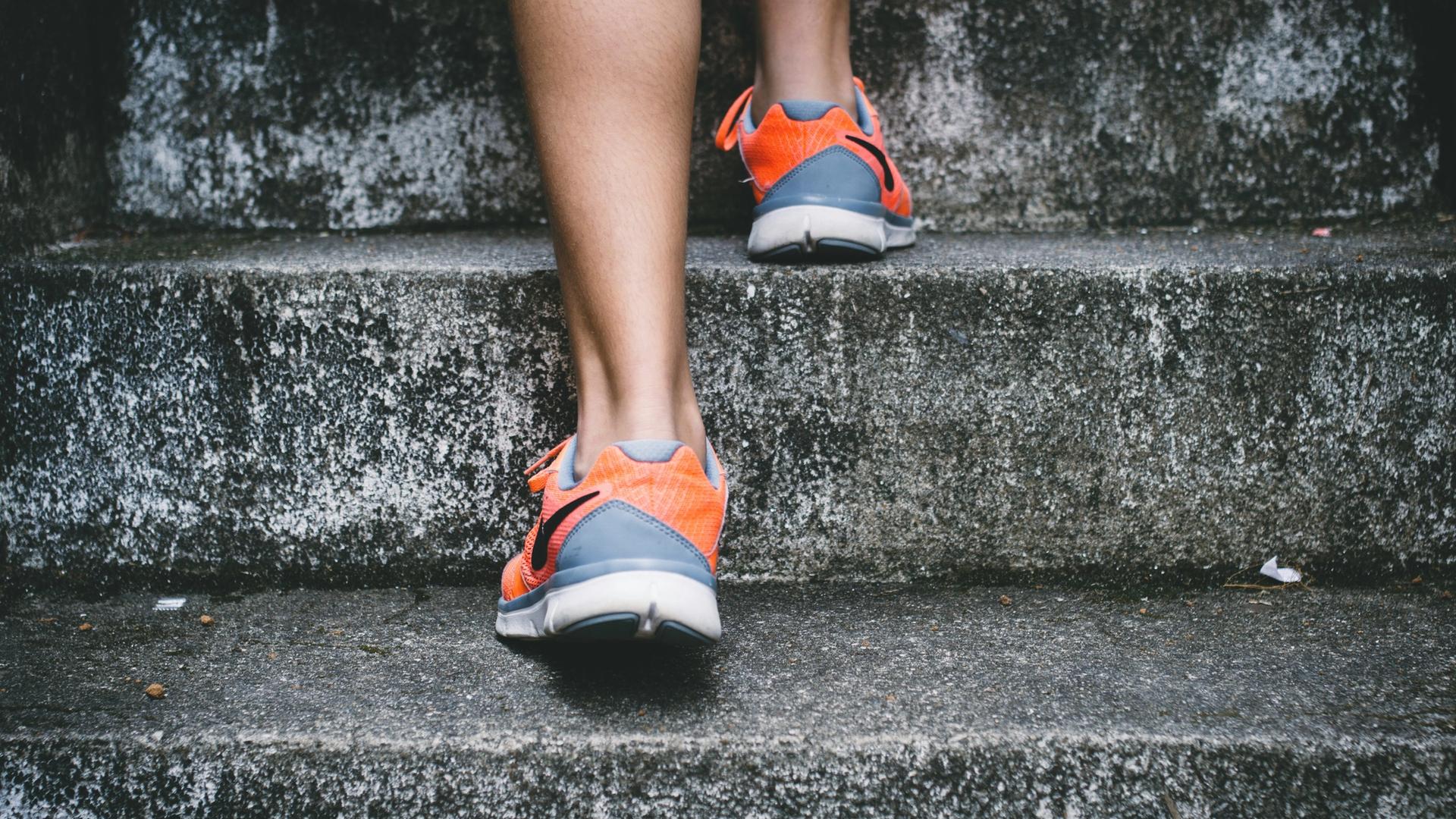
Step-ups build leg strength, balance, and confidence with stairs. You can use a low step, sturdy platform, or the bottom stair in your home.
Place one foot fully on the step. Press through that foot to stand tall, then lower back down with control. Keep the step low at first so the movement feels stable.
Try not to bounce off the back foot. The working leg should handle most of the effort. Hold a wall or railing if balance feels uncertain.
Step-ups are useful because they train one leg at a time. That can reveal strength differences between sides and help improve control during walking, climbing, and daily movement.
Dead Bugs
Dead bugs help beginners build core stability without forcing the neck or lower back into uncomfortable positions. They teach the core to resist movement while the arms and legs move.
Lie on your back with your arms reaching toward the ceiling and knees bent over your hips. Slowly lower one heel toward the floor while keeping your lower back steady. Bring the leg back and repeat on the other side.
You can make the movement easier by moving only the legs or keeping the range small. You can make it harder by extending the opposite arm and leg at the same time.
The key is control. If your lower back arches, shorten the movement and slow down. This exercise should feel like quiet effort through the core, not strain in the neck or hips.
Farmer Carries
Farmer carries are simple but powerful. They train grip strength, posture, core control, and full-body tension. They also match real-life tasks such as carrying groceries, bags, laundry baskets, or luggage.
Hold a weight in each hand, stand tall, and walk slowly for a short distance. Keep your shoulders relaxed, ribs stacked over hips, and steps controlled.
At home, you can use dumbbells, kettlebells, filled bags, or other safe items that are easy to grip. Avoid awkward objects that could slip or pull you off balance.
Begin with short carries. Rest, reset posture, and repeat. The movement should feel strong and steady rather than rushed.
How to Put These Exercises Into a Beginner Routine
A simple routine can use five or six movements per session. Choose one lower-body move, one upper-body push, one upper-body pull, one hip exercise, one core exercise, and one carry or balance-focused move.
Beginners often do well with one to three sets per exercise. Reps can stay moderate, usually around eight to twelve for strength moves, with enough rest to keep form clean.
You do not need to train to exhaustion. Stop each set with a little energy left. That helps you practice good technique and recover well enough to train again.
Repeat the same routine for a few weeks before changing everything. Progress comes from doing the basics better, adding a small challenge, and staying consistent.
How to Know You Are Ready to Progress
Progress should feel earned, not rushed. You may be ready for more challenge when the movement feels controlled, your balance is steady, and you can finish your sets without losing form.
Progress can mean adding reps, adding a set, using a slightly heavier weight, choosing a stronger band, slowing the lowering phase, or increasing range of motion. You do not need to change every variable at once.
A trainer can help you choose the right next step. Too little challenge can stall progress. Too much can create soreness, frustration, or poor technique.
The best strength training exercises for beginners should still feel useful months later. They grow with you as the version becomes harder.
Start Strength Training at Home With Svetness
Home strength training works best when the exercises are simple enough to repeat and focused enough to build real confidence. Squats, pushes, pulls, bridges, step-ups, core work, and carries can give beginners a strong base without complicated equipment.
At Svetness, we match clients with certified trainers who can bring structured coaching to homes, apartment gyms, outdoor spaces, and other suitable locations. If you want to work with a personal trainer on strength training exercises for beginners, we can help you take the next step.
Book Your Free Svetness Consultation
FAQs
What are the best strength training exercises for beginners at home?
Good beginner exercises include sit-to-stand squats, wall pushups, glute bridges, resistance band rows, step-ups, dead bugs, and farmer carries. These movements train the whole body and can be adapted to most home spaces.
How many days per week should beginners strength train?
Many beginners do well with two or three strength sessions per week. Rest days between sessions can help the body recover and make the routine easier to keep.
Do beginners need dumbbells for strength training?
No, beginners can start with bodyweight exercises, resistance bands, and household items that are safe to hold. Dumbbells can be added later when form and confidence improve.
How long should a beginner strength workout last?
A beginner strength workout can last around 20 to 35 minutes. The session should be long enough to practice key movements without causing excessive fatigue.
How do I know if I am doing an exercise correctly?
Good form usually feels controlled, balanced, and free from sharp pain. A personal trainer can check your movement, correct technique, and adapt exercises to your body.
Start your Svetness journey today
Get a free consultation and see how our trainers can transform your wellness journey.