Senior Fitness Programs: What Makes Them Work (and Why Most Fail After Week Two)

A senior fitness program can fail fast when classes feel unsafe or generic. The better plan builds strength, balance, and confidence.
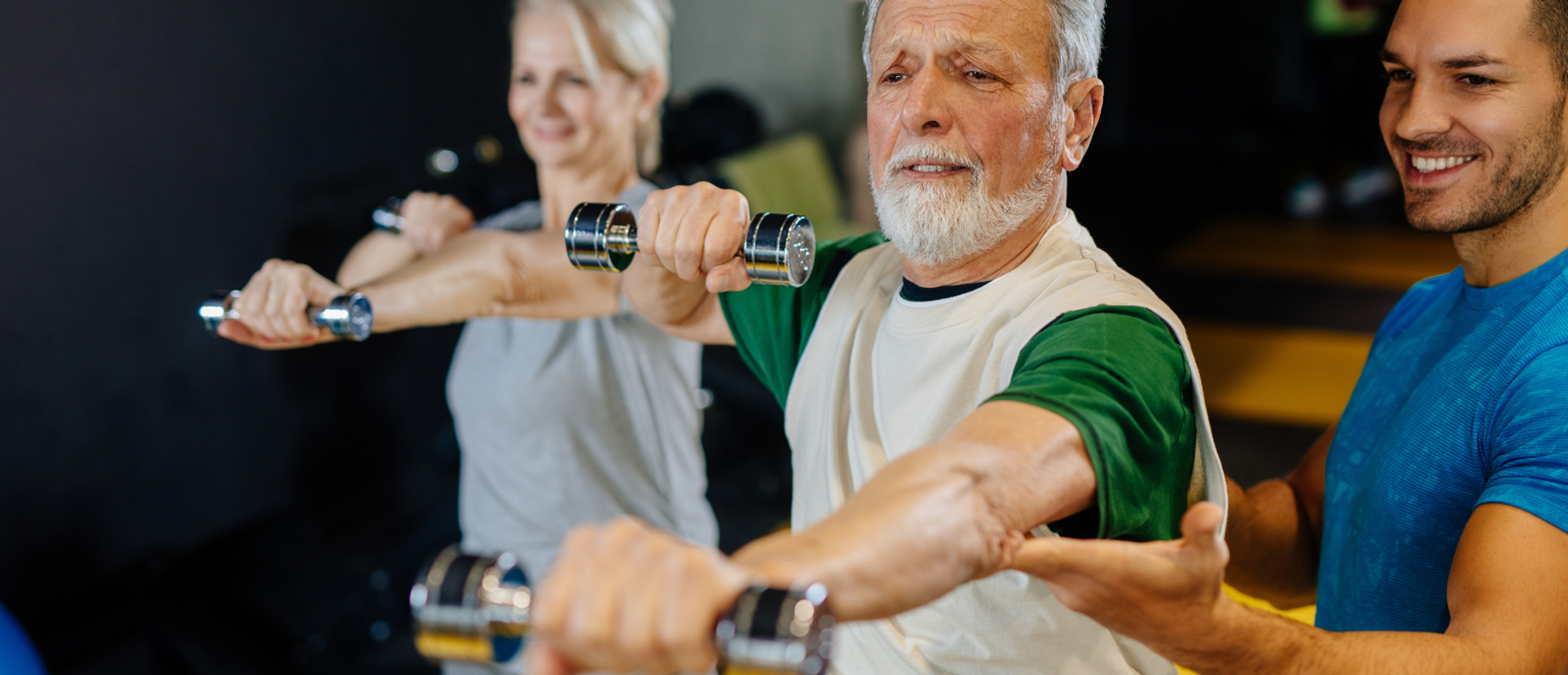
A personal trainer for seniors can make a senior fitness program feel safer, clearer, and easier to keep. Many older adults want to stay active because the goal has become practical. They want to stand from a chair with less effort, carry groceries without feeling unsteady, walk with more confidence, and keep doing the activities that make daily life feel independent.
Many seniors start with a group class at a gym or community center. The first week may feel encouraging. By the second or third week, the class can start to feel too fast, too crowded, or too disconnected from the person’s actual needs. That does not mean the senior lacks discipline. It often means the program was not built around aging bodies, different medical histories, comfort levels, or confidence.
The most effective senior fitness plan should feel personal. It should build strength, balance, mobility, and trust at a pace the person can repeat. The workout should support daily life, not leave someone feeling overwhelmed, sore, or afraid to return.
Start your Svetness journey today
Get a free consultation and see how our trainers can transform your wellness journey.
What Helps Senior Fitness Programs Last
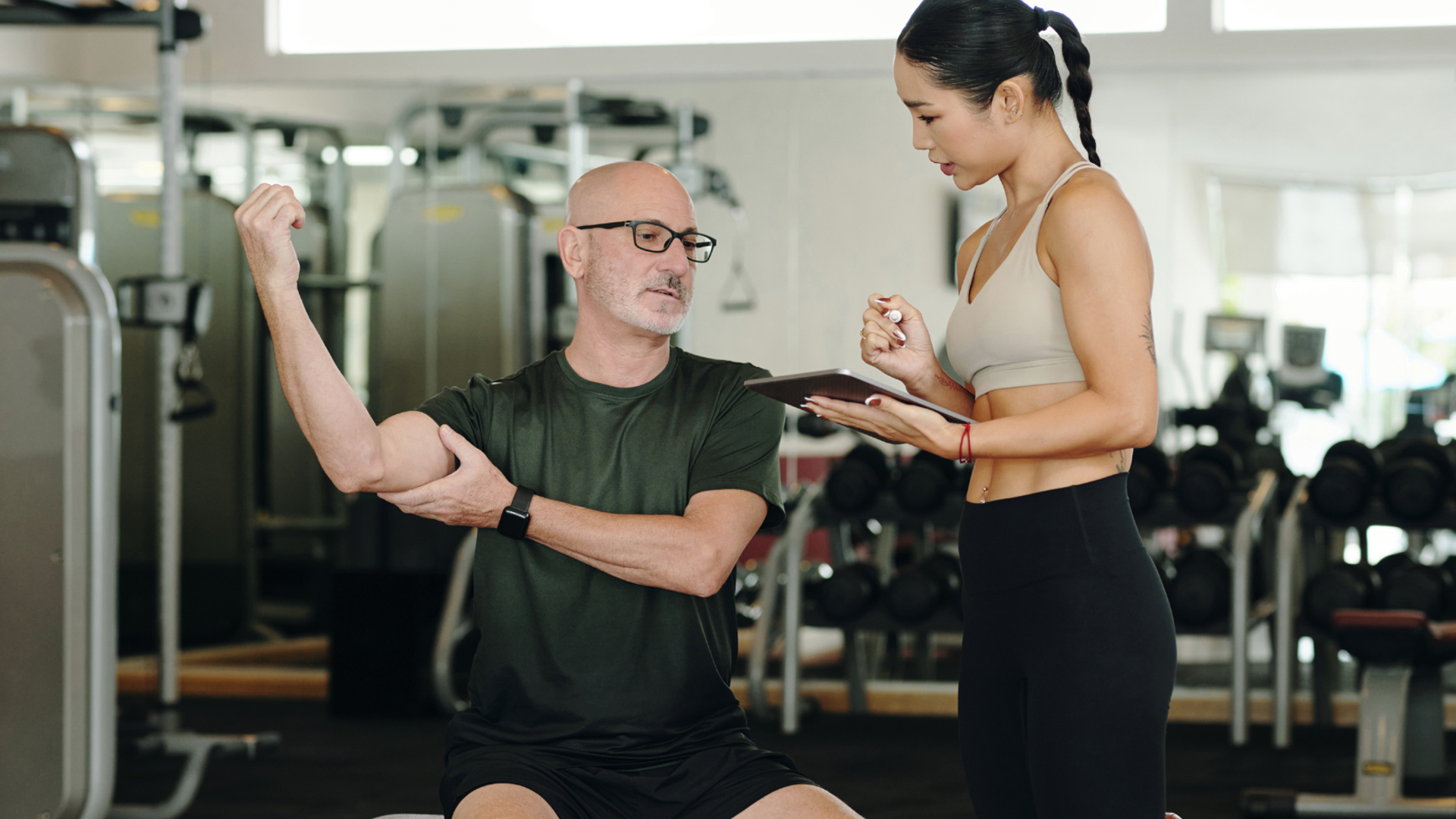
A senior fitness program works better when the plan is clear, safe, and connected to real daily movement.
- It should start with the person’s current ability.
- It should account for joint pain, past injuries, balance, and confidence.
- It should focus on strength, mobility, balance, and daily function.
- It should progress slowly enough to feel safe.
- It should include clear coaching and patient instruction.
- It should help the senior feel capable between sessions.
The right program gives older adults a reason to keep going because they can feel the connection between training and everyday life.
Why a Senior Fitness Program Often Fails Early
Many senior fitness programs fail because they treat older adults as one group. A room of people in their sixties, seventies, or eighties can include many different bodies and needs. One person may have arthritis. Another may be rebuilding strength after surgery. Someone else may feel nervous after a fall.
A single class plan cannot always meet those needs well. The instructor may be caring and experienced, but the format limits how much personal attention each person receives. Exercises may be too easy for one person and too difficult for another.
Pace can also become a problem. If the class moves quickly, some seniors may feel rushed. If the class stays too basic, others may not build enough strength to notice progress. Both situations can lead to dropout.
A better program starts by asking what the person needs to do in daily life. That may include getting up from a chair, stepping over curbs, walking longer distances, carrying laundry, climbing stairs, or reaching overhead with more control.
Why Group Classes Can Feel Intimidating
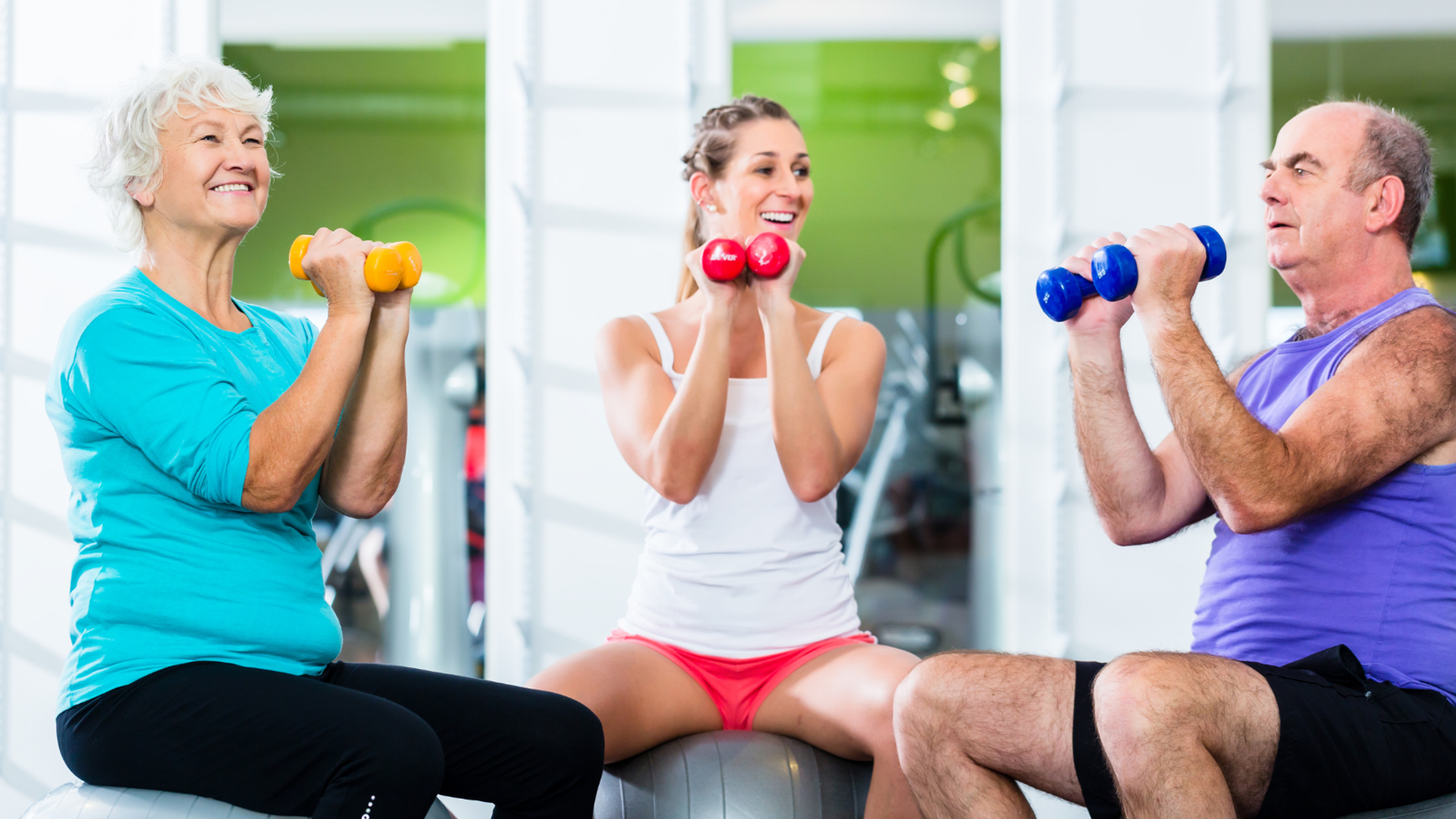
Group classes can offer social contact, but they can also create pressure. Some seniors feel self-conscious exercising near younger members or even around peers. They may worry about falling behind, using the wrong form, or needing too many modifications.
The gym environment can add another barrier. Loud spaces, unfamiliar equipment, busy locker rooms, and crowded floors can make fitness feel harder than it needs to be. A senior who already feels uncertain may decide it is easier not to go back.
In-home training can remove much of that pressure. The session happens in a familiar space, the coach focuses on one person, and the exercises can be adapted in real time. That privacy gives seniors more room to ask questions and practice movements without feeling watched.
Svetness has covered why many clients choose Svetness personal training for seniors, especially when they want safe, supportive, senior-focused workouts at home.
Functional Strength Should Come First
Senior fitness should focus on the movements that support independence. The goal is not a perfect gym exercise. The goal is moving through daily life with more strength and control.
Sit-to-stand practice can help with getting out of chairs. Step-ups can support stairs and curbs. Carries can help with groceries. Rows and upper-back work can support posture. Gentle core training can help the body feel steadier during walking, reaching, and lifting.
Balance work also matters. A good trainer may include supported single-leg work, controlled stepping, heel-to-toe walking, or direction changes. These exercises can help the body respond better when movement feels less predictable.
Functional strength should still be progressed carefully. Seniors do not need to stay with the same easy exercise forever. They need a plan that adds challenge in small, safe steps as strength and confidence improve.
Start your Svetness journey today
Get a free consultation and see how our trainers can transform your wellness journey.
Mobility Makes the Program Easier to Keep
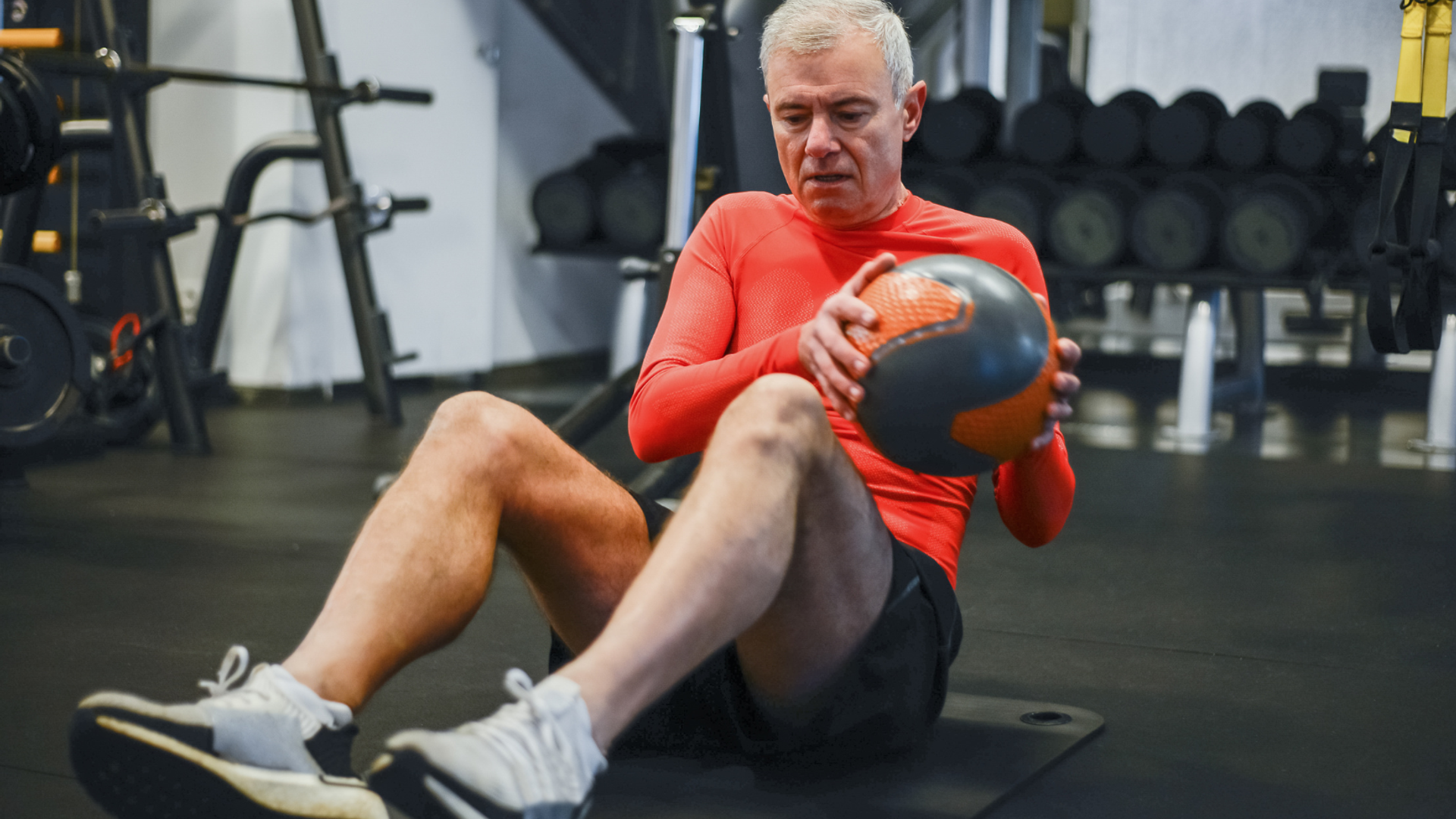
Mobility is a major part of aging well. Stiff hips, ankles, shoulders, and backs can make normal movement feel harder. If a program ignores mobility, strength exercises may feel uncomfortable or awkward.
A senior fitness program should include warm-ups, gentle range-of-motion work, and movement that helps joints feel more prepared. Mobility can support walking, bending, reaching, standing, and balance.
This does not mean forcing deep stretches. It means helping the body move with more control and less fear. The right mobility work can also make strength training feel more comfortable.
For seniors who want to understand this part of training more clearly, Svetness explains mobility training and how it can support better movement, balance, and range of motion.
Progress Needs to Feel Safe and Visible
Older adults can build strength, but the plan needs to progress responsibly. Staying too easy may feel safe, but it may not build enough strength to improve daily life. Moving too quickly can create fear, soreness, or injury risk.
A trainer can help find the right middle ground. The first sessions may focus on form, confidence, breathing, balance, and simple strength work. As the person improves, the trainer may add resistance, increase range of motion, adjust tempo, or add more challenging balance tasks.
Visible progress matters. A senior may notice that standing from a chair feels easier, walking feels steadier, or stairs feel less intimidating. Those small wins often mean more than numbers on a weight stack.
Progress should also respect harder days. Energy, sleep, pain, stress, and medical changes can affect how a session should feel. A good coach adapts without making the person feel like they failed.
The Coaching Relationship Matters
Senior fitness works best when trust is strong. The trainer should listen carefully, explain clearly, and respect the person’s pace. Older adults may have concerns about pain, falling, embarrassment, or losing independence. Those concerns should shape the plan.
A coach should review medical history, ask about previous injuries, and encourage doctor or physical therapist input when needed. They should also be honest about what exercise can and cannot do. Training can support strength, balance, mobility, and confidence, but it should not replace medical care.
The relationship also supports consistency. A scheduled session gives the senior structure. Encouragement from a familiar coach can make it easier to return each week, especially when progress feels slow.
A personal trainer for seniors should help the person feel respected, capable, and involved in the process.
Build a Senior Fitness Program With Svetness

A senior fitness program should help older adults feel stronger in the moments that matter most: standing, walking, balancing, reaching, lifting, and moving through the home with more confidence.
Svetness brings personal training to the home, so seniors can work with a certified trainer in a familiar setting. The plan can be built around strength, balance, mobility, comfort level, and daily independence.
Book Your Free Svetness Consultation
FAQs
What is a senior fitness program?
A senior fitness program is an exercise plan built around the needs of older adults. It usually focuses on strength, balance, mobility, posture, confidence, and daily function.
Why do senior fitness programs often fail after a few weeks?
Many programs fail because they are too generic, too crowded, or too hard to adapt. Seniors are more likely to stay consistent when the plan fits their body and comfort level.
Is strength training safe for seniors?
Strength training can be safe and helpful when it is supervised, adapted, and progressed carefully. The plan should account for health history, balance, mobility, and current ability.
Can senior fitness help with balance?
Yes. Balance exercises, leg strengthening, core work, and controlled stepping practice can help seniors feel steadier during daily movement.
Do seniors need equipment to train at home?
Not much equipment is needed to start. A trainer can use chairs, resistance bands, light weights, bodyweight movements, and simple mobility drills based on the person’s needs.
Start your Svetness journey today
Get a free consultation and see how our trainers can transform your wellness journey.