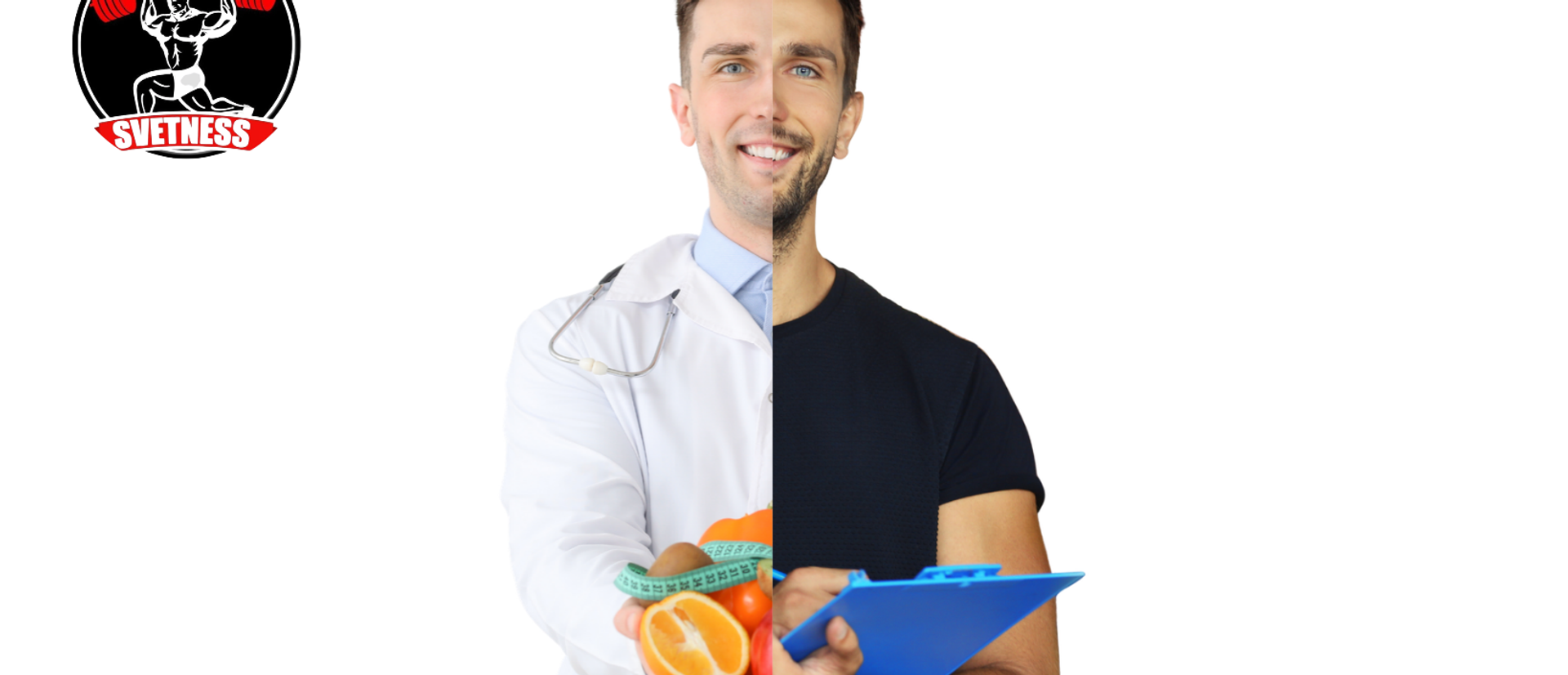
Personal Trainer and Nutrition Coach: Do You Need Both?

Do you need a personal trainer and nutrition coach? See what each can help with and when you may need more nutrition support.
Exercise and nutrition often support the same goals. So it may seem like you need one person to plan your workouts and another to help with food.
For many people, that is more help than they need. A personal trainer and nutrition coach can both be useful, but it depends on where you need support. You may need a workout plan and a few simple changes to your eating habits. Someone else may need much more help with food.
At Svetness, our trainers focus on exercise and can also give general nutrition guidance. If your food needs become more complex or involve a health condition, another qualified professional may need to step in.
In this article, we’ll explain what each professional does, when one may be enough, when you may want both, and how to choose the right support for your goals.
Start your Svetness journey today
Get a free consultation and see how our trainers can transform your wellness journey.
Start With the Different Roles
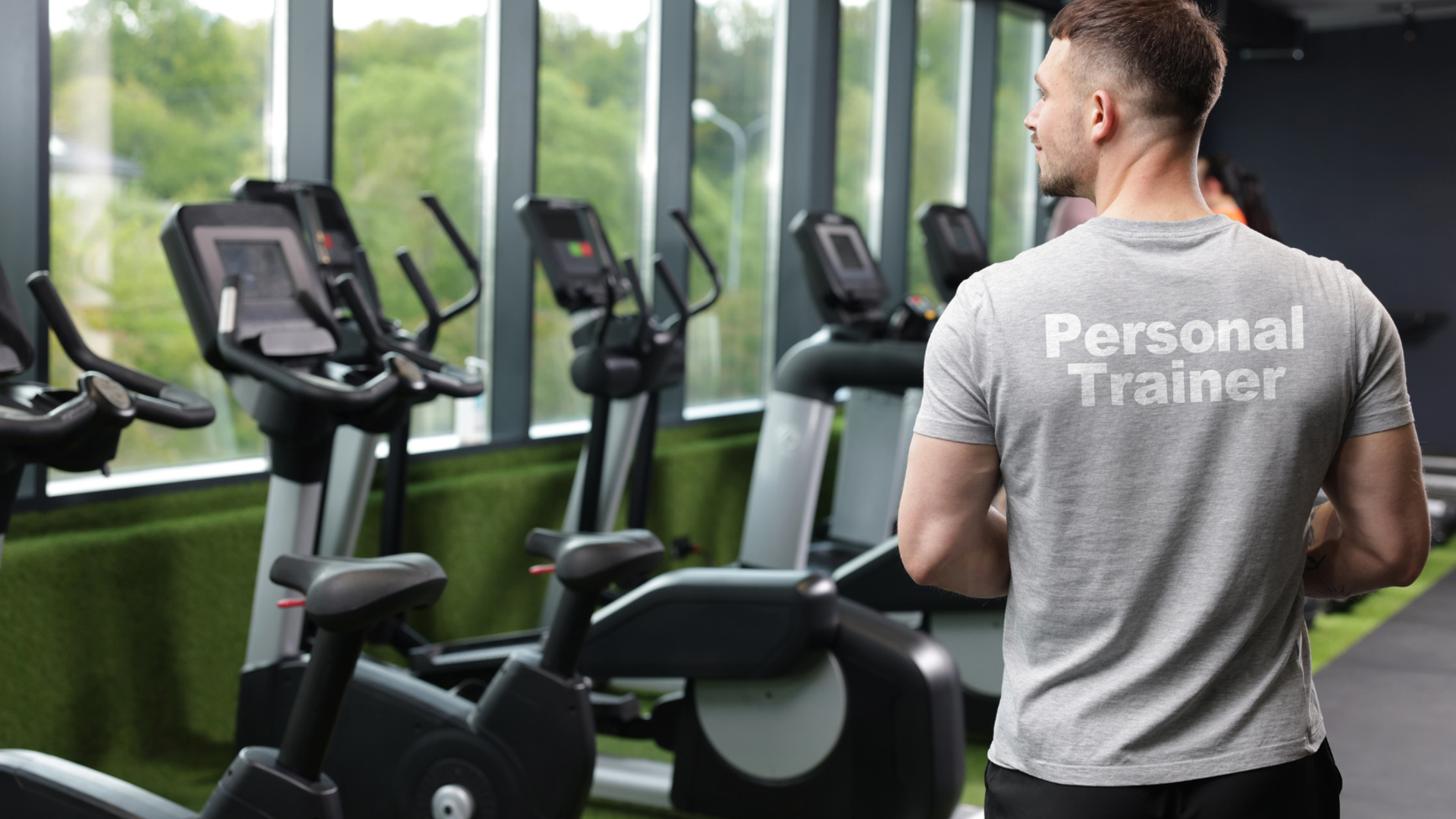
Personal trainers, nutrition coaches, and registered dietitians can all help with health goals. They do different jobs, and understanding those differences can help you decide who you need.
What a Personal Trainer Does
A personal trainer’s main job is exercise. They can look at your fitness level, plan your workouts, teach you new movements, and adjust your plan as you improve.
Your workouts may include strength training, cardio, balance, mobility, or general fitness. The plan should fit your goals, experience, and current ability.
A trainer can also give you structure. You have a workout planned before the session begins, and you have someone there to coach you through it. That can make it easier to stay consistent.
If you want one-on-one support built around your goals and schedule, Svetness offers individual personal training.
What Nutrition Help a Trainer Can Give
Food can affect your energy, recovery, and fitness goals. It makes sense for nutrition to come up during personal training.
A trainer may talk with you about drinking enough water, eating balanced meals, paying attention to portions, and choosing foods that support your workouts. They may also help you notice habits that make it harder to stay on track.
There are limits to this type of advice. Talking about a balanced breakfast is different from using food to treat a health condition. A trainer should know when a question needs someone with more nutrition training.
At Svetness, our trainers can give general nutrition guidance alongside exercise coaching. That support can help with everyday habits, but it does not replace medical nutrition care.
What a Nutrition Coach Does

A nutrition coach often spends more time on food habits. They may help you plan meals, shop for food, work on portions, or build an eating routine that fits your day.
This can help if you know the basics but have trouble putting them into practice. Maybe you want to cook more often, but you reach the end of the workday with nothing ready and order takeout again.
A nutrition coach can help you work on the routine behind that pattern. Svetness also has both personal trainers and nutrition coaches for people who want more help with food habits.
The title “nutrition coach” can mean different things, so check the person’s training before you sign up. Their title alone does not tell you exactly what kind of advice they can give.
How a Registered Dietitian Is Different
A registered dietitian has formal education and training in nutrition. They can also provide medical nutrition therapy as part of their work.
That can be important if food choices are linked to diabetes, kidney disease, digestive problems, serious food allergies, or other health issues. Complex food needs may also call for this level of support.
If your nutrition questions are tied to a medical condition, talk with a registered dietitian or another qualified healthcare professional. A trainer or general nutrition coach should know when your needs go beyond what they can safely help with.
Do You Need a Personal Trainer and Nutrition Coach?
You may need both a personal trainer and nutrition coach, but each person should add something different.
If your trainer already gives you enough help with exercise and basic food habits, a second coach may repeat advice you are already getting. Extra support makes more sense when there is something your current coach cannot help with.
When a Personal Trainer May Be Enough
For many healthy adults, a trainer may give enough support to start making changes.
You may need help building a regular workout routine, getting stronger, and learning how to exercise with good form. At the same time, you may only need simple food changes, such as drinking more water or planning better meals.
In that case, general nutrition guidance from your trainer may be enough. You can keep your plan simple and add more help later if you need it.
When a Nutrition Coach May Help
A nutrition coach may be useful if food habits need more time than your trainer can give them.
You may want regular help with meal planning, shopping, eating around a busy schedule, or staying consistent. Those topics can take more time than a few minutes during a training session.
Think about what the nutrition coach would add before you hire one. If they would only repeat advice you already get from your trainer, you may not need both.
When a Registered Dietitian May Be Better
Some food questions need someone with more specialized training.
A registered dietitian may be a better choice if you have a medical condition, serious food allergies, major food limits, or concerns about missing important nutrients. They may also help athletes with more complex food and fueling needs.
A trainer should be comfortable referring you to someone else when a problem falls outside their training. That is a normal part of good coaching.
Match the Support to Your Goal

Your goal can change the kind of help you need. Someone who wants to become more active may need a much simpler plan than an athlete preparing for a competition.
If Your Goal Is Weight Loss
Food and exercise can both play a role in weight loss. Research in adults with overweight or obesity has found benefits when changes to diet and physical activity are used together.
That does not mean you need two separate coaches. A trainer may be able to build your workout plan and give enough general food guidance for your needs.
You may want a personal trainer and nutrition coach if you need regular help with both areas. The goal is to work on exercise and food habits in a way you can keep doing.
Strength training can help you build or keep muscle, while cardio can improve fitness and help you move more. Your eating habits can also affect how much energy you take in and how well your body is fueled.
If Your Goal Is Building Muscle
A good strength plan is a big part of building muscle. Your workouts need to challenge you, and that challenge should grow as you get stronger.
Food supports that work. Many healthy adults may only need simple guidance about eating enough, getting enough protein from suitable foods, drinking enough water, and eating regular meals.
More help may make sense if you struggle to eat enough, follow a very limited diet, or have serious performance goals. Athletes may also benefit from a sports dietitian if their food needs become more detailed.
If Your Goal Is General Health
You may not need a long list of experts to improve your health. Start with the areas that need the most work.
Maybe exercise is rare, meals are rushed, and you forget to drink water during the day. A trainer can help you create a workout routine while also talking about simple habits that support it.
Give those basic changes time before adding more services. You can bring in more help later if a food problem needs more attention.
If Your Goal Is Athletic Performance
Sports can make nutrition more detailed. Training volume, competition days, travel, recovery, and hydration can all change what an athlete needs.
Some athletes also need help with fueling long events or making weight for a sport. Those needs may be more detailed than the general nutrition guidance a personal trainer can give.
A sports dietitian may be useful in that case. The trainer can focus on exercise, while the dietitian handles the more detailed food plan.
Know When Nutrition Needs More Care

Many people can start with simple food habits. If you have a health condition, though, food and exercise advice may need more care.
Eating-Disorder Concerns Need Qualified Care
A personal trainer or general nutrition coach should not try to treat an eating disorder unless they have the right professional training.
If you have an eating disorder, think you may have one, or have a history of disordered eating, food and exercise advice needs extra care. Very strict food rules, very low-calorie goals, and using exercise to make up for eating can cause harm.
A healthcare professional with experience in eating disorders can provide the right support. A trainer may still be part of your wider care team, but they need to stay within their role.
Be Careful With Extreme Diet Advice
Food advice should help you build habits that work in real life. It should not leave you afraid of normal foods or following a long list of strict rules.
Be careful if someone tells you to cut out whole food groups without a clear reason, follow a very low-calorie diet, buy supplements from them, or complete regular “detoxes.” The same goes for coaches who tell every client to copy the exact diet they follow themselves.
Ask why the advice is being given. A good answer should connect the change to your needs and goals.
Meal Plans Are Not Always Better
A detailed meal plan can look simple because all the choices have already been made. Real life can make that plan harder to follow.
You may work late, eat out, travel, or find that the food on the plan is not available. A strict plan can quickly fall apart when the day changes.
For many people, learning a few flexible skills works better. You can learn how to put together a balanced meal, keep easy food ready for busy days, and adjust when plans change.
Those skills can be used in many places instead of only working when you can follow a set menu.
Medical Nutrition Needs the Right Professional
A medical condition can change which food advice is safe for you. General coaching should not replace care from a dietitian, doctor, or other healthcare professional.
If you have a complex food or health concern, choose someone with the right training for that issue. Your personal trainer can still help with exercise while another professional handles the nutrition side.
Start your Svetness journey today
Get a free consultation and see how our trainers can transform your wellness journey.
Make Sure the Advice Works Together
If you work with more than one professional, the advice should fit together. Having two people involved should make your plan easier to follow rather than more confusing.
Tell Your Trainer About Key Food Habits
Your trainer does not need to know every meal you eat. A few key details may still help them understand how you feel during exercise.
Tell them if you often arrive at a workout without eating and feel lightheaded. You can also mention if you are trying to gain or lose weight or if a food practice affects your training schedule.
For example, fasting or following a vegetarian or vegan diet may be useful context. Your trainer can keep that information in mind while staying within their role.
Tell Your Nutrition Professional About Training
Your nutrition professional also needs to know what your exercise routine looks like. Tell them how often you train, how long your workouts last, and what kind of exercise you do. They may also need to know when you train, how hard the sessions are, and what goals you are working toward.
Someone who walks a few times a week has different needs than someone doing hard strength and cardio workouts on most days. Food advice can make more sense when it fits your real training routine.
Keep Your Coaches on the Same Page
Two professionals should not give you advice that pulls you in opposite directions. For example, a dietitian may create a food plan that supports hard workouts. It would be confusing if your trainer then told you to cut a major food source because that approach worked for them.
Each person should stay focused on the area they know best. With your permission, they may also be able to share useful details so the two plans work well together.
Choose the Right Level of Support
You can make this decision easier by thinking about how much help you need with food.
Level 1: Trainer With General Nutrition Guidance
This may be enough if you are healthy and mainly need a workout plan, exercise coaching, and accountability. You may only need simple food help on top of that.
Your trainer may talk with you about hydration, balanced meals, or eating around workouts. Exercise is still the main focus of your sessions.
For many people, this is a simple place to start. You can add more nutrition support later if a clear need comes up.
Level 2: Trainer Plus Nutrition Coach
You may want both if your workouts need coaching and your food habits also need regular attention. Your nutrition coach can spend more time on meals, planning, routines, and staying on track. Your trainer can keep their attention on your exercise plan and progress.
Check the nutrition coach’s background before signing up. You should also know how their service differs from the help your trainer already gives you.
Level 3: Trainer Plus Registered Dietitian
A trainer and dietitian may be a better fit if your food needs are tied to a medical condition or another complex issue. The trainer can plan and coach your workouts. The dietitian can handle the parts of nutrition that need their added training.
This can give you support in both areas without asking one person to work outside their skills.
Ask the Right Questions Before You Hire
Before paying for a package, ask your trainer what kind of nutrition help is included. Find out what nutrition training they have, what type of food advice they give, and what happens when a client needs help beyond that.
It can also help to ask if they work with dietitians and how they handle weight-loss goals. If you already see a dietitian, ask if your trainer is willing to work alongside them.
If you are thinking about a nutrition coach, ask about their training and the kind of help they provide. Find out how their service is different from what your trainer already offers and how they will track your progress.
You should also ask what they would do if a medical food issue came up. A good coach should know when it is time to refer you to someone with more training.
Do Not Pay Twice for the Same Help
More support can be useful when each person brings something different. Paying two people to give you the same basic advice may not be worth the extra cost.
Before hiring a personal trainer and nutrition coach, think about what is missing. If you already understand food but struggle with workouts, personal training may deserve more of your budget.
If you exercise well on your own but have a medical food concern, a dietitian may be more useful. Some people need a lot of help with both, so using two professionals can make sense.
Focus on the type of help you need instead of the number of coaches you have.
Start With the Problem You Need to Solve
You do not need two professionals simply because you want to improve exercise and nutrition. For many healthy adults, a trainer who gives general nutrition guidance may be enough to help you get started.
At Svetness, our trainers build personal workout plans and can also give general food guidance that supports your training. Dedicated nutrition coaching is available if you want more help with your eating habits. Medical or complex food concerns should be handled by a professional with the right healthcare training.
A personal trainer and nutrition coach can work well together when each person fills a different need. Start with the area where you need the most help, then choose the support that fits that problem.
Book Your Free Svetness Consultation
FAQs
Do personal trainers give nutrition advice?
Many personal trainers can give general advice about healthy eating, water intake, portions, and food habits that support exercise. The type of advice they can give depends on their training and qualifications.
Does Svetness provide nutrition coaching?
Yes. Svetness trainers can give general nutrition guidance alongside personal training. Svetness also offers separate nutrition coaching for people who want more help with their eating habits.
Do I need a nutrition coach to lose weight?
Not always. Some people can make progress with a trainer who helps them exercise regularly and improve basic food habits. A nutrition coach may help if food is an area where you need more regular support.
What is the difference between a nutrition coach and a registered dietitian?
Nutrition coaches can have different types of training, so check the background of the person you are considering. Registered dietitians complete formal education and supervised training and can provide medical nutrition therapy.
Should I hire a personal trainer or dietitian first?
Start with the area where you need the most help. A trainer may make sense if you mainly need workout planning, exercise coaching, and accountability. A dietitian may be a better fit if your main concern is medical nutrition care.
Start your Svetness journey today
Get a free consultation and see how our trainers can transform your wellness journey.