
In-Home Personal Trainer Near Me: What to Expect From the First Session

Have you been looking for an at-home personal trainer near me? Here is what you can expect from your first in-home training session.
Booking an in-home personal trainer near me can feel exciting and slightly awkward at the same time. You are inviting a trainer into your space, perhaps your living room, apartment gym, spare room, garage, or backyard, and you may not know how prepared you are supposed to be. Most people picture a hard workout right away, but the first session is usually more measured than that.
Your trainer is there to understand you before building a routine. That means talking through your goals, health history, schedule, current activity level, available space, and how comfortable you feel with exercise. They may bring portable equipment, check the room for safe movement, guide you through simple exercises, and use what they see to shape your plan.
The first session should leave you feeling clearer, not intimidated. You should know what the trainer noticed, what the next few sessions may focus on, how often you might train, and what you can do between appointments. A good in-home session respects both your body and your home.
Start your Svetness journey today
Get a free consultation and see how our trainers can transform your wellness journey.
What Happens During the First In-Home Personal Training Session?
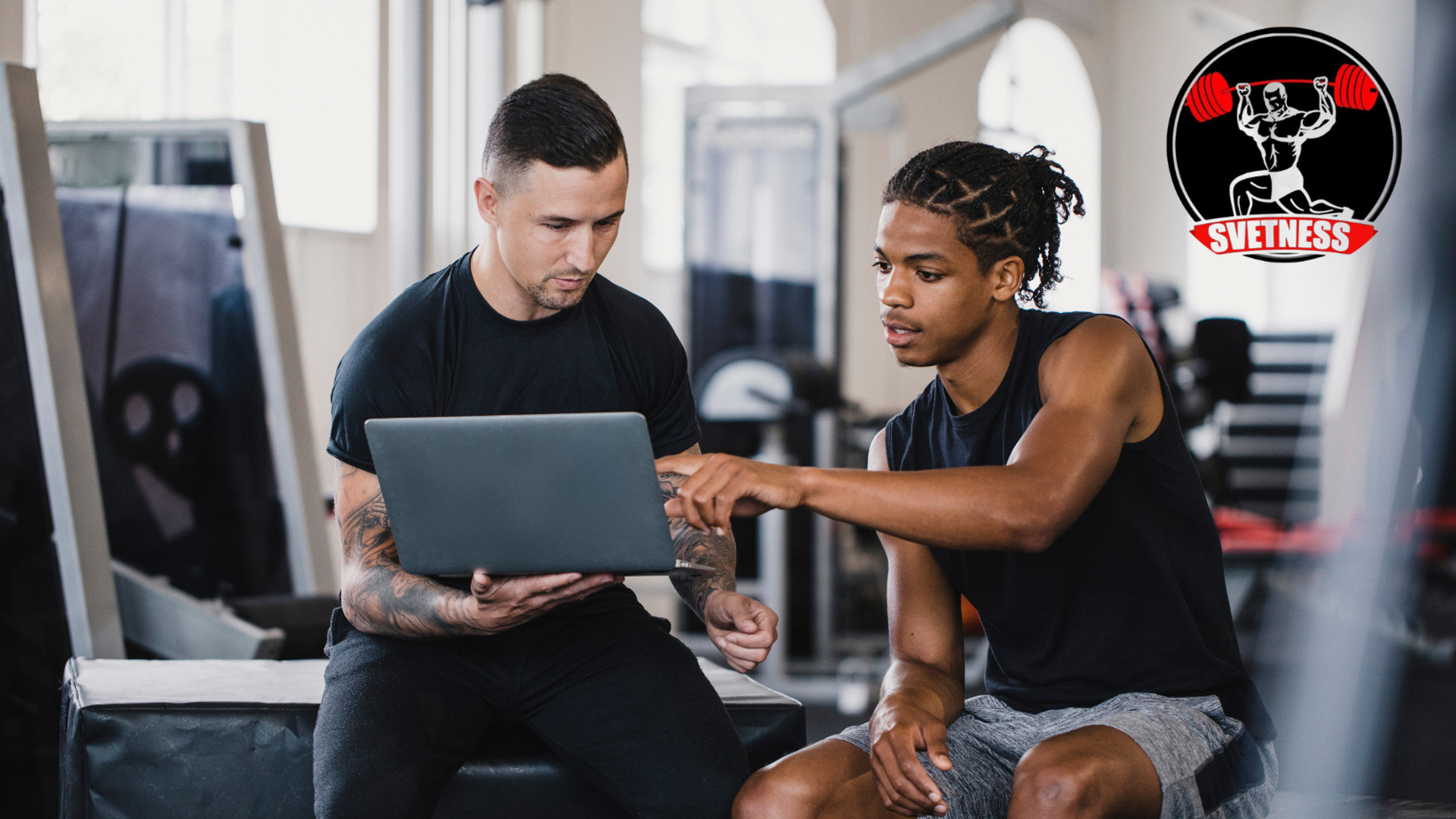
Your first in-home training session usually combines conversation, setup, movement checks, and a light workout. The trainer uses this visit to understand your body, goals, space, and comfort level before planning harder sessions.
- You discuss goals, health history, injuries, and current activity.
- The trainer checks your available space and any safety concerns.
- You complete simple movement screens or beginner exercises.
- The trainer adjusts intensity based on how you respond.
- You review next steps, scheduling, and what future sessions may include.
This first visit should feel structured, personal, and manageable.
Before the Trainer Arrives
You do not need to turn your home into a gym before the first session. A clear floor area, comfortable workout clothes, supportive shoes, and water are usually enough.
Move breakable items, loose rugs, small tables, or pet toys away from the area where you expect to train. Good lighting helps your trainer see your form clearly. A stable floor matters more than a large room.
A space roughly the size of a yoga mat can work for many first-session movements. Your trainer may adjust the plan if your space is smaller, shared, upstairs, or close to furniture. Apartment clients can still train effectively with low-impact exercises and compact equipment.
Try not to overthink the setup. The trainer can help you make small adjustments when they arrive.
The First Conversation Sets the Tone
The first few minutes should feel like a consultation, not a test. Your trainer will ask about your goals, daily routine, past exercise experience, injuries, pain, medical considerations, and what you want from coaching.
This is the time to be honest. Tell your trainer if you feel nervous, out of shape, unsure about form, or worried about a previous injury. Those details help them choose the right pace.
Your trainer may also ask about your schedule. A good routine has to fit real life. Early mornings, lunch breaks, evenings, family responsibilities, remote work, travel, and recovery all affect the plan.
Our guide on what to expect at your first personal training session gives more detail on how that first meeting can feel and what questions may come up.
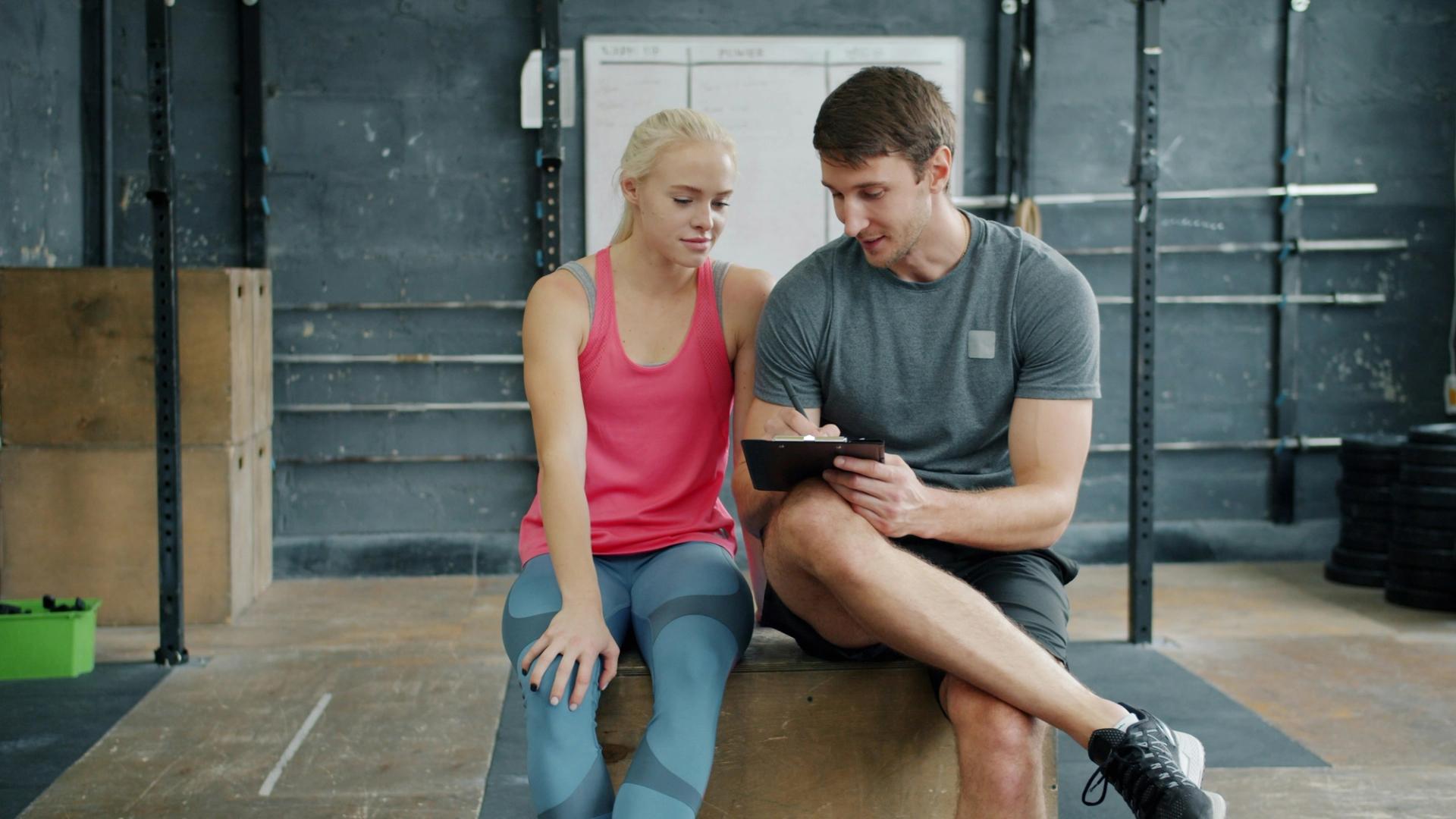
You Talk About Health History
Health-history questions help your trainer keep the session safe. They may ask about surgeries, current pain, old injuries, medications that affect exercise, dizziness, heart concerns, joint problems, or other limitations.
You do not need to share more than is relevant to training, but the trainer does need enough information to make smart exercise choices. Knee discomfort, back pain, shoulder tightness, balance issues, and low stamina can all change the plan.
A personal trainer can support safe movement and exercise planning, but they cannot diagnose medical conditions. Ongoing pain, new symptoms, severe limitations, or medical uncertainty should be discussed with a licensed healthcare professional before harder training.
A careful trainer will respect those boundaries. They should modify exercises when needed and avoid pushing through sharp or unusual discomfort.
Movement Checks Come Before Harder Work

A first session often includes simple movement checks. These are not pass-or-fail tests. They help your trainer see how your body moves before adding more intensity.
You may be asked to squat to a chair, hinge at the hips, reach overhead, hold a plank variation, balance on one leg, step backward into a lunge pattern, or complete a light core exercise. The trainer watches your posture, control, range of motion, breathing, and comfort.
Those observations help shape the next stage of your program. Tight hips, limited shoulder movement, weak balance, or poor core control can all guide exercise selection.
The workout may stay light because the trainer is gathering information. A hard first session is not always the smartest first session. The goal is to build useful momentum without leaving you sore enough to dread the next visit.
Equipment Is Usually Simple and Portable
Many people searching for an in-home personal trainer near them worry that they need to buy equipment first. In most cases, you can begin without buying anything.
Your trainer may bring resistance bands, dumbbells, kettlebells, a mat, sliders, balance tools, or other portable items. Bodyweight exercises can also be very effective, especially during the first session when the trainer is checking form and comfort.
The equipment should match your goal and your space. A beginner may need only a mat and bands at first. A strength-focused client may progress toward dumbbells or kettlebells. Someone focused on mobility may use lighter tools and more controlled movements.
Our article on the benefits of personal training at home explains how home sessions can work without a full gym setup.
Start your Svetness journey today
Get a free consultation and see how our trainers can transform your wellness journey.
The Workout Should Feel Personal to You
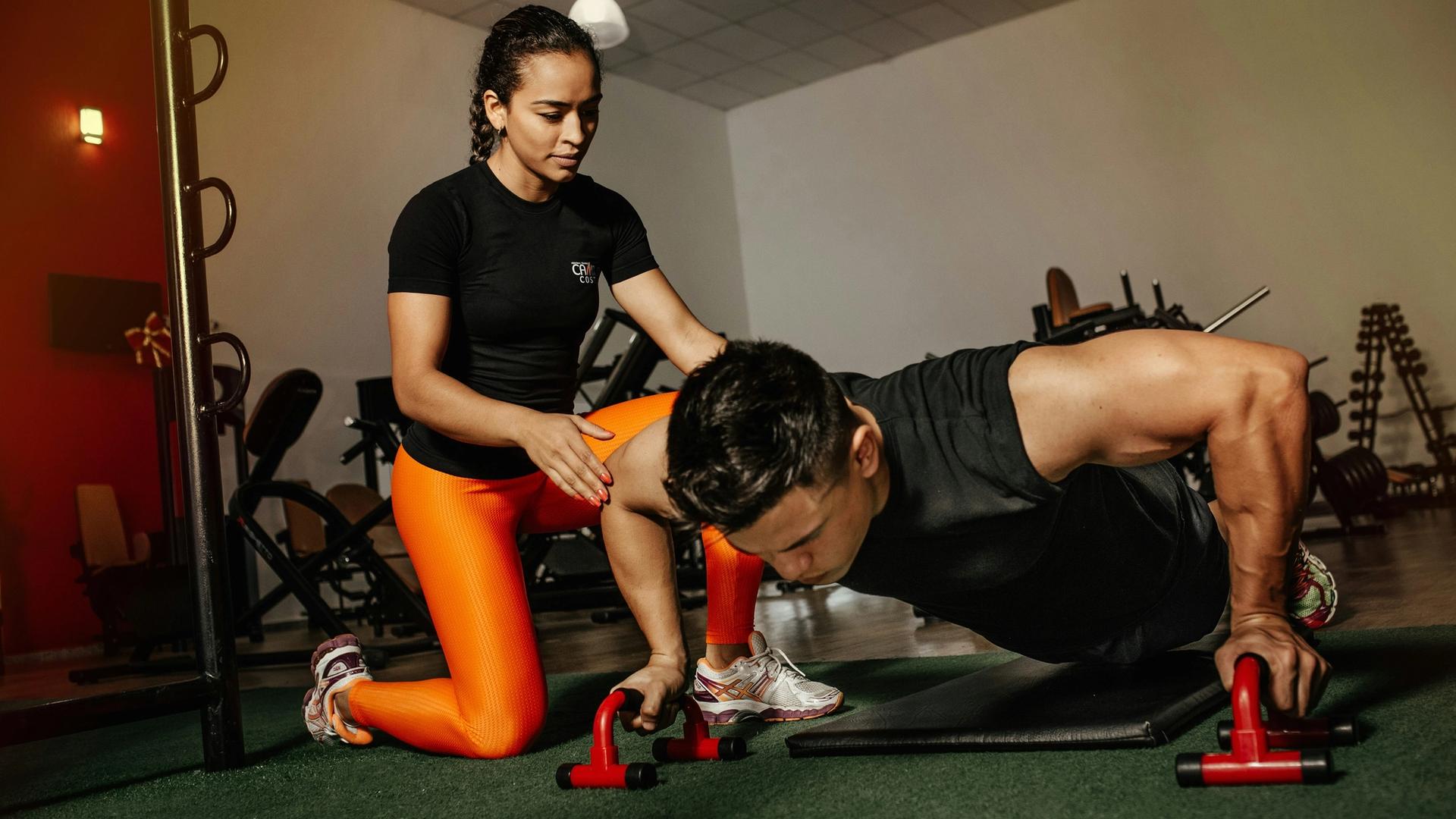
After the conversation and movement checks, your trainer may guide you through a short workout. This could include mobility work, bodyweight strength, light resistance exercises, core training, balance work, or low-impact conditioning.
The trainer should explain each movement clearly. You should know what you are doing, where you should feel it, and how to speak up if something feels wrong.
A good first workout should help the trainer understand how you respond to instruction, effort, rest, and feedback. It should also help you feel more comfortable with the coaching style.
Intensity can build later. The first session is about setting a safe baseline, building trust, and creating a plan that has somewhere to go.
Feedback Shapes the Next Session
Your trainer should ask how the session felt. This conversation matters because it helps shape the next appointment.
Tell them which exercises felt good, which felt awkward, and which felt too easy or too demanding. Mention any discomfort right away. Your trainer can adjust range of motion, resistance, tempo, rest time, or exercise choice.
Feedback also helps with motivation. Some clients like detailed explanations. Some prefer a simpler coaching style. Some need encouragement, while others prefer a calmer approach. Private training gives your coach room to adapt.
The best in-home training feels collaborative. You are not expected to know everything. You are expected to communicate honestly so the trainer can guide you well.
Planning What Comes Next
Near the end of the first session, your trainer should explain the next steps. That may include session frequency, recovery expectations, equipment suggestions, independent movement, and the main focus for the next few weeks.
You may discuss training once, twice, or three times per week depending on your goals, budget, schedule, and recovery. Your trainer may also suggest simple activities between sessions, such as walking, stretching, or a short mobility routine.
Pricing and policies should be clear before you continue. Ask about packages, cancellation rules, rescheduling, trainer availability, and how progress will be tracked.
The first session should leave you with practical direction. You should understand what happens next and why the plan makes sense for you.
Book an In-Home Personal Trainer With Svetness

Your first in-home session should make training feel more approachable. The trainer should understand your goals, respect your space, check how your body moves, and build a plan that fits your routine.
At Svetness, we match clients with certified trainers who bring structured coaching to homes, apartment gyms, outdoor spaces, and other suitable locations. If you want an in-home personal trainer near me who can help you feel prepared for your first session, we can help you take the next step.
Book Your Free Svetness Consultation
FAQs
What should I wear for my first in-home personal training session?
Wear comfortable athletic clothes that allow you to move easily. Supportive shoes are usually helpful unless your trainer recommends barefoot movement for a specific exercise.
How much space do I need for an in-home workout?
Many first sessions can work in a clear area roughly the size of a yoga mat. Your trainer can adapt exercises to smaller rooms, apartments, garages, patios, or building gyms.
Do I need to buy equipment before the first session?
No. Your trainer can bring portable equipment and adapt the workout to your space. They may suggest simple items later if you want to train between sessions.
Will the first session be very hard?
The first session should be manageable. Your trainer may include a light workout, but they will also use the time to assess movement, discuss goals, and understand your starting point.
What should I tell my trainer before exercising?
Tell your trainer about injuries, pain, surgeries, health conditions, medications that affect exercise, past fitness experience, and any concerns you have. Honest details help them train you more safely.
Start your Svetness journey today
Get a free consultation and see how our trainers can transform your wellness journey.