
Personal Trainer Washington DC: How to Choose Private Coaching

Svetness covers how to choose private coaching with a personal trainer in Washington, DC, including fit, credentials, and scheduling.
A personal trainer in Washington, DC should make private coaching feel practical, personal, and easy to build into a demanding week. Life in the district can mean long office hours, unpredictable meeting schedules, apartment living, townhome space limits, crowded gyms, and travel across busy neighborhoods. Private coaching can work well because it brings structure into the places where your routine already happens.
The right coach should understand your goals, but they should also understand your schedule, health history, comfort level, preferred training space, and communication style. A private session gives you focused attention, which can be especially useful if you are new to exercise, returning after time away, working around discomfort, or trying to build consistency without a public gym setting.
Choosing private coaching should feel like choosing a working relationship. You need a trainer who listens, explains the plan clearly, adapts when needed, and respects your time. Before you commit, look closely at credentials, safety standards, trial-session chemistry, location logistics, and how progress will be tracked.
Start your Svetness journey today
Get a free consultation and see how our trainers can transform your wellness journey.
How Do You Choose Private Coaching in Washington, DC?
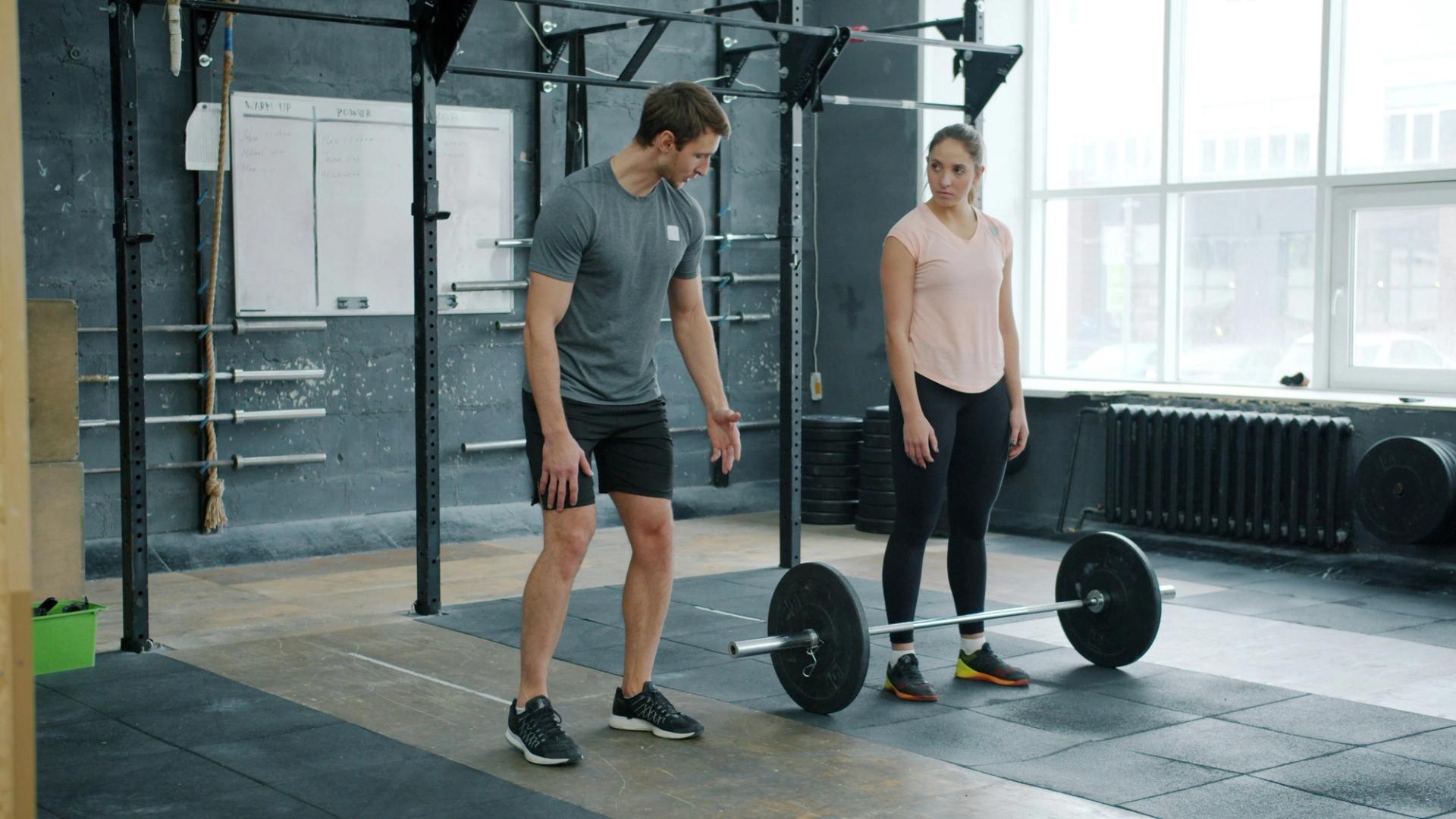
Private coaching should be chosen based on safety, fit, and consistency. Before hiring a trainer, check:
- Current certification and CPR/AED training
- Experience with your goal, fitness level, and limitations
- A first assessment that covers health history and movement
- Clear pricing, scheduling, rescheduling, and cancellation policies
- A coaching style that helps you feel comfortable and focused
- Training locations that fit your home, building gym, office, or outdoor space
A strong coach should make the process clear before you pay for a package.
Check Credentials Before Coaching Style
Personality matters, but credentials give you the first safety check. A professional trainer should be able to explain which certification they hold, whether it is current, and how they keep their knowledge updated.
Recognized fitness certifications usually cover anatomy, exercise programming, safety, movement assessment, and client coaching. That matters during private sessions because the trainer may be working with you in a home, apartment gym, or outdoor space where they need to adapt the plan without a full commercial gym setup.
CPR/AED training should also be part of the conversation. Medical emergencies during training are uncommon, but a responsible coach should be prepared. Liability insurance is worth asking about too, especially when training takes place inside a private residence or shared building facility.
Credentials alone do not prove someone is the right match. They do tell you whether the trainer has a professional foundation before you begin judging coaching style and personality.
Make the Consultation Work Harder
A consultation should give both you and the trainer useful information. It should cover your goals, current activity level, past injuries, pain, schedule, training preferences, medical considerations, and previous experiences with exercise.
The trainer may also ask you to complete a basic movement assessment. This could include squats, hinges, lunges, reaches, balance work, posture checks, or simple bodyweight movements. These screens help the coach understand your starting point before adding resistance or intensity.
The conversation should feel specific to you. If your work schedule changes every week, the plan needs flexibility. If you feel nervous training in public, privacy may matter. If you have old knee or back discomfort, exercise selection needs extra care.
Our guide on how to find a personal trainer can help you shape better questions before your first conversation.
Match the Trainer to the Reason You Want Private Coaching
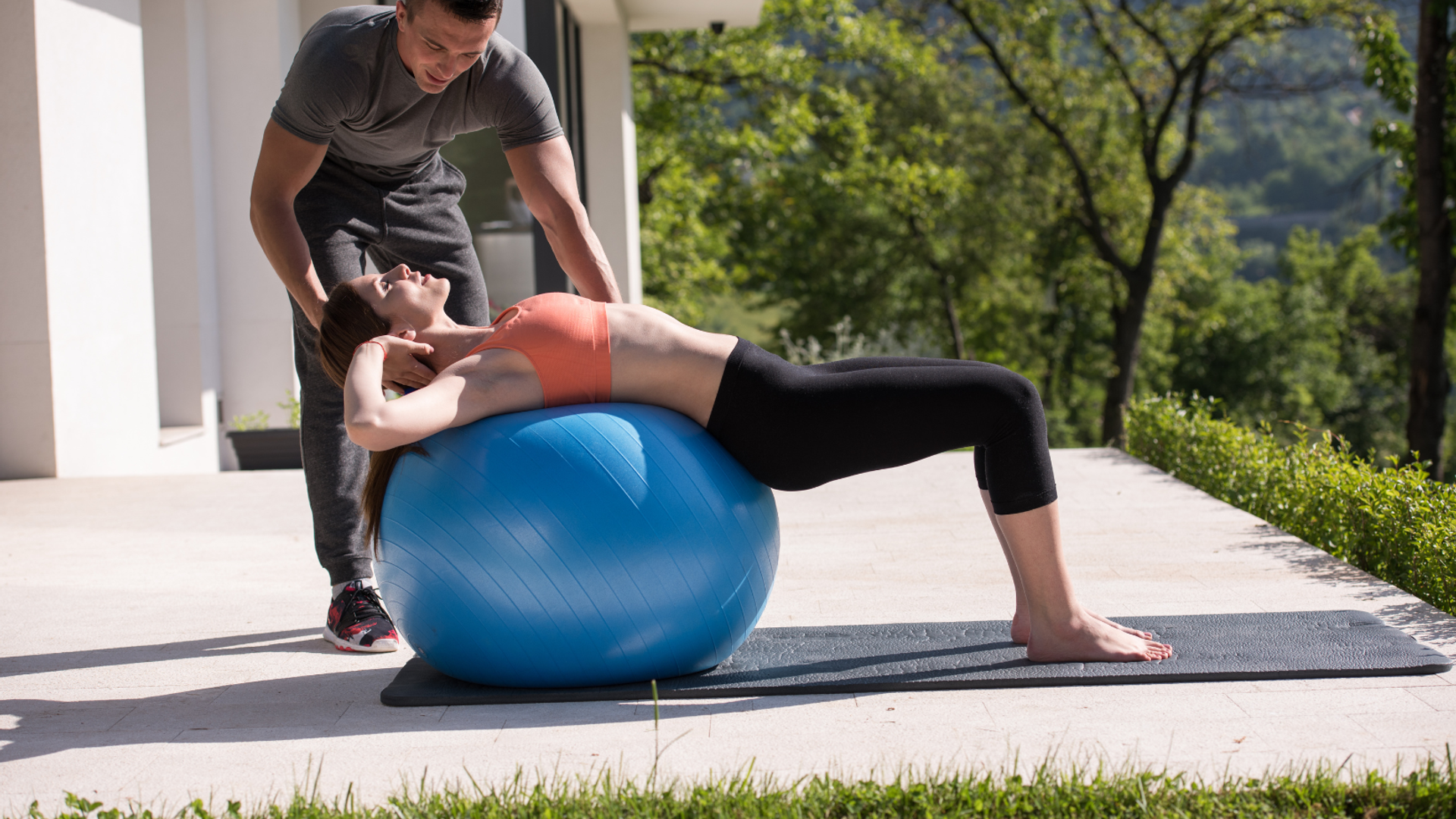
Private coaching can support different goals, so the trainer’s experience should match the kind of help you need.
Confidence and Beginner Fitness
If you are new to training, the right coach should make each session feel clear and manageable. They should explain exercises in plain language, correct form patiently, and avoid overwhelming you with too much at once.
Private coaching can be helpful here because there is less pressure from a crowded gym. You can ask questions, practice movement, and build confidence at your own pace.
Strength and Conditioning
If strength, endurance, or body composition is your goal, ask how the trainer progresses sessions over time. They should be able to explain how resistance, reps, rest, tempo, and exercise difficulty will change as you improve.
A private setting can still support challenging workouts with dumbbells, kettlebells, resistance bands, bodyweight movements, and other portable equipment.
Mobility and Pain-Aware Training
If you have stiffness, old injuries, or recurring discomfort, ask how the trainer modifies exercises. A careful coach should adjust impact, range of motion, load, and pace.
Pain should be taken seriously. A trainer can support better movement, but ongoing pain, new symptoms, or diagnosed medical issues should be discussed with a licensed healthcare professional.
Start your Svetness journey today
Get a free consultation and see how our trainers can transform your wellness journey.
Think Through Where Training Will Happen

Private coaching can take place in several settings across Washington, DC. Some clients train at home. Others use apartment gyms, condo fitness rooms, office gyms, outdoor spaces, or another suitable location.
The setting should support focus and safe movement. At home, you may need a clear area roughly the size of a yoga mat, good lighting, and a stable surface. In a building gym, you may need to think about access, guest policies, elevator timing, and busy hours.
Your trainer should be able to explain what equipment they bring and what the space needs. Many private sessions can be built with portable tools such as bands, dumbbells, mats, sliders, and bodyweight exercises.
The best location is the one that fits your schedule well enough to keep training consistent.
Pay Attention to Communication During a Trial Session
A trial session can show you how the trainer actually coaches. Watch how they explain each movement, correct form, and respond when something feels too hard, too easy, or uncomfortable.
Good communication should feel specific. A useful cue helps you move better. Vague encouragement can be motivating, but it cannot replace clear instruction.
Notice how the trainer handles pace. Private coaching should give them time to watch your movement closely and adjust the session. If they seem distracted, rushed, or more focused on selling than coaching, that is useful information.
Our article on what makes a good personal trainer explains the traits that tend to support better coaching relationships, including listening, adaptability, and clear instruction.
Review Pricing and Policies Before You Commit
Private coaching should come with clear terms. Before buying a package, ask what the fee includes and how the service works.
Session length, travel, trainer experience, location, frequency, equipment, and support between sessions can all affect price. Ask whether the trainer provides progress tracking, workout notes, habit guidance, or independent sessions to complete between appointments.
Policies matter too. You should know how cancellations, rescheduling, late arrivals, payment terms, and package expiration work. Written details protect both sides and reduce confusion later.
A clear pricing conversation should make you feel more confident in the decision. If the terms feel vague or pressured, take more time before committing.
Watch for Red Flags in Private Coaching

Private coaching depends on trust, so early warning signs deserve attention. Be cautious if a trainer avoids questions about certification, skips health-history questions, ignores pain, or promises dramatic results in a short period.
Pressure to buy quickly can be another concern. A professional trainer should be able to explain their process clearly and give you room to decide.
Poor boundaries matter too. Private coaching may happen in your home or building, so punctuality, respectful communication, and clear expectations are essential. A trainer should treat your space, time, and comfort with care.
Supplement-heavy sales pitches or strict food rules also deserve caution unless the person has the proper credentials for medical nutrition advice. General habit guidance can be useful, but a trainer should stay within their professional scope.
Find a Personal Trainer in Washington, DC With Svetness
Private coaching should help training feel easier to maintain, not harder to manage. The right coach should bring structure, safety, and personal attention into a setting that fits your life in the district.
At Svetness, we match clients with certified trainers who bring structured coaching to homes, apartment gyms, outdoor spaces, office fitness rooms, and other suitable locations. If you want a personal trainer in Washington, DC who can support your goals with private coaching that fits your routine, we can help you take the next step.
Book Your Free Svetness Consultation
FAQs
What should I look for in a private personal trainer?
Look for current certification, CPR/AED training, experience with your goal, clear communication, a proper assessment process, and policies you understand before committing.
Can private coaching happen at home in Washington, DC?
Yes. Private coaching can take place at home, in an apartment gym, in an office fitness room, outdoors, or another suitable location.
What happens during the first private coaching session?
The first session usually includes a goal discussion, health-history questions, movement checks, and an introductory workout matched to your current ability.
Do I need equipment for private training?
No. Your trainer can bring portable equipment and adapt the workout to your available space. They may suggest simple items if you want to train independently.
How do I know if a private coach is a good fit?
A good fit should feel clear, respectful, and specific to you. The trainer should listen, explain the plan, adapt exercises, and answer questions without pressure.
Start your Svetness journey today
Get a free consultation and see how our trainers can transform your wellness journey.


