Personal Trainer in New York City and How to Choose the Right Fit

A personal trainer in New York City can look impressive online. Here is how to choose one that is right for you.
Choosing a personal trainer in New York City can feel harder than choosing a gym. The city gives you more options than you could possibly compare in one sitting: chain gyms, private studios, building gyms, park trainers, online profiles, referral-only coaches, and instructors who split their time between several locations. That range can be useful, but it can also make the decision feel crowded before you even book a consultation.
The right trainer is not always the loudest, most visible, or most expensive option. The right trainer is the person who understands your goals, listens to your concerns, remembers your limitations, and fits into the way your week actually works. In New York, that may mean early sessions before court, a short workout in a building gym, strength training in a small apartment, or a plan that respects an unpredictable work schedule.
At Svetness, we often meet clients who have tried to choose based on convenience alone. A nearby gym looked easy, then the trainer changed, the schedule became awkward, or the sessions felt generic. A better fit can make training feel calmer, more personal, and easier to keep.
Start your Svetness journey today
Get a free consultation and see how our trainers can transform your wellness journey.
Our Tips for Choosing a Trainer in NYC
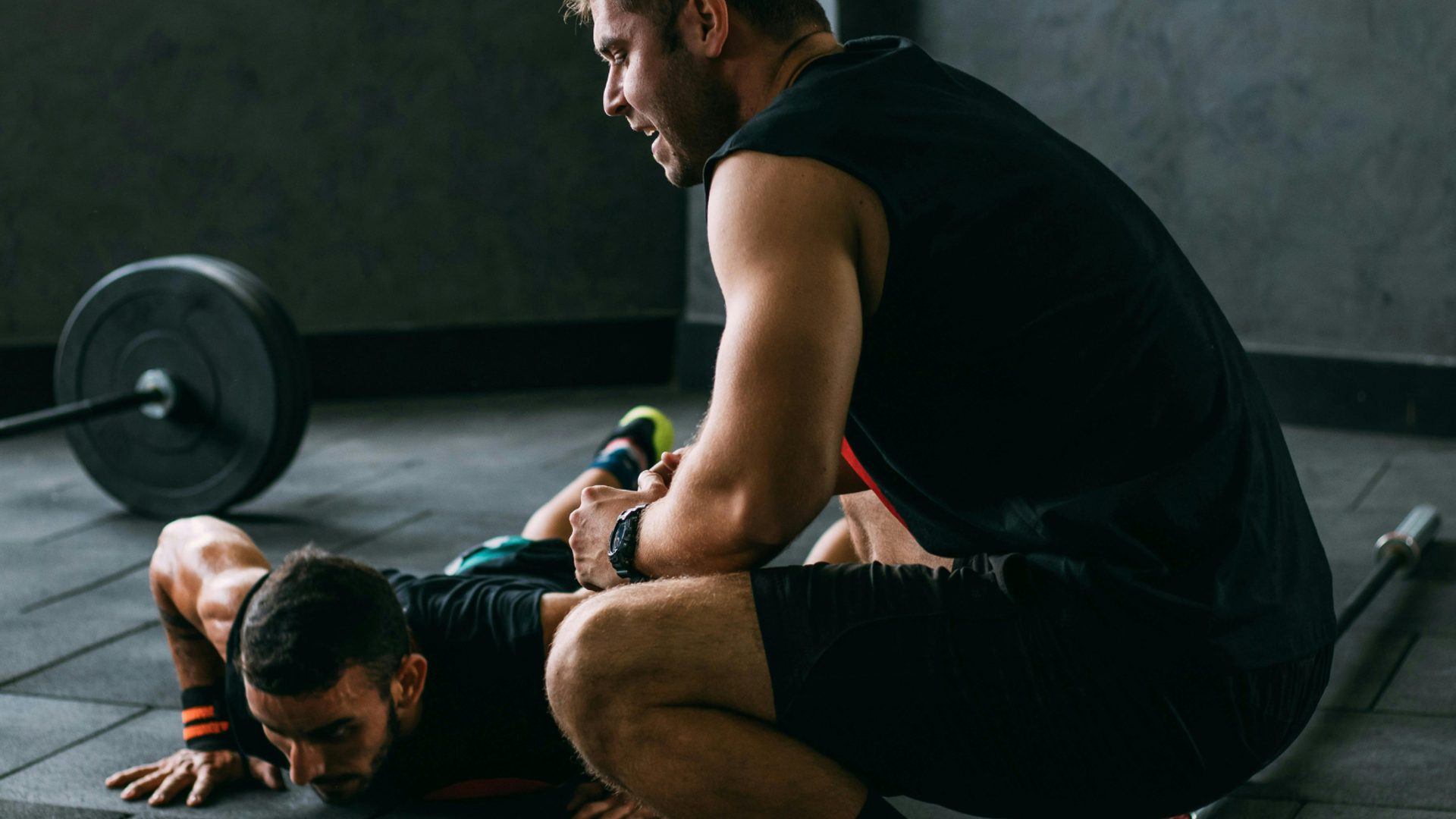
The right trainer should match your goals, space, schedule, communication style, and comfort level.
- Check for a nationally recognized certification.
- Ask about professional liability insurance.
- Expect a proper intake before your first full workout.
- Look for clear progress tracking, not vague encouragement.
- Choose a trainer who can adapt to your apartment, building gym, office schedule, or outdoor space.
- Avoid sales pressure, rushed consultations, and one-size routines.
In New York City, the best fit is usually the trainer who makes your real routine easier to follow.
Why Choosing a Trainer in NYC Feels Different
New York is not short on fitness options. The hard part is filtering them. A person can find a trainer on a gym floor, through a friend, on social media, through a studio, or through a company like Svetness.
Too Many Choices Can Blur the Standards
A trainer may appear qualified because they look fit, have polished content, or work inside a premium facility. Those details may be encouraging, but they do not tell you how that person coaches.
A true professional should be able to explain how they assess clients, build programs, adjust exercises, and track progress. They should also be comfortable talking about safety, limitations, and communication.
Convenience Can Be Misleading
A gym near your office can look like the obvious choice, but the details matter. Is the gym packed at the times you need? Does the trainer’s schedule line up with yours? Will you feel rushed getting there after meetings or subway delays?
Convenience should mean more than distance on a map. It should mean the training setup fits the way your day actually moves.
What a Personal Trainer in New York City Should Prove Before You Book

A personal trainer in New York City should make you feel more confident about the process before any intense workout begins. Good coaching starts with questions, not assumptions.
Credentials Need Context
Certification matters. Look for respected organizations such as NASM, ACE, ACSM, NSCA, or ISSA. A certified trainer has studied core exercise principles, client safety, and program design.
That said, certification should be paired with communication and experience. Ask what types of clients they usually train. Ask how they handle past injuries, low confidence, limited space, and busy schedules. A trainer who cannot explain their process clearly may not be the right match.
Insurance Shows Professional Responsibility
Professional liability insurance is a simple but important sign of responsibility. This matters even more if you plan to train in your home, building gym, office gym, or outdoor space.
A trainer who treats coaching as a serious profession should be comfortable answering questions about credentials and coverage. Evasion or irritation during basic questions is a warning sign.
Intake Should Feel Specific
Your first conversation should cover goals, medical history, injuries, current activity level, schedule, sleep, stress, and preferences. If you have knee pain, shoulder tightness, back concerns, or anxiety around gyms, those details should shape the plan.
The first session should not feel like a test of how much discomfort you can tolerate. It should help your trainer understand your body and create a safer starting point.
Start your Svetness journey today
Get a free consultation and see how our trainers can transform your wellness journey.
Commercial Gyms Can Make the Choice Harder
Commercial gyms can be useful, especially if you enjoy the setting and need specific equipment. The challenge in New York is that a gym can be busy, sales-driven, and inconsistent.
Sales Pressure Can Arrive Early
Some gym consultations focus more on selling packages than understanding the client. You may be encouraged to commit before the trainer has asked enough about your goals, injury history, or schedule.
A helpful consultation should give you clarity. It should not make you feel rushed into a decision.
Trainer Turnover Can Break Momentum
Trainer turnover is one of the most frustrating parts of the gym model. You may build trust with one trainer, then find out they have moved locations, changed roles, or left the gym entirely.
That matters because progress relies on history. A trainer who knows how your knee responds to certain movements, how your work stress affects energy, and how your strength has changed over time can coach more effectively than someone starting fresh every few months.
Peak Hours Can Change the Workout
NYC gyms can be packed before work, during lunch, and after office hours. A crowded floor can force your trainer to change exercises, wait for equipment, or move through the session in a less focused way.
That does not make gym training wrong. It means the environment should be part of your decision, not an afterthought.
Small Spaces Are Part of the NYC Training Conversation

A New York apartment can shape the way you train, but it does not have to limit your progress. A good trainer should know how to build effective sessions around the space available.
Your Apartment May Offer More Than You Think
Many clients assume their space is too small. In practice, a trainer can do a lot with enough room for a mat. Bodyweight strength, mobility work, resistance bands, dumbbells, balance drills, and controlled conditioning can all be adapted for compact spaces.
This is where coaching skill matters. A poor trainer needs a perfect setup. A strong trainer can work with the space you have and still make the session purposeful.
Building Gyms Can Be a Strong Middle Ground
Many New Yorkers have access to apartment or condo gyms but do not use them well. The equipment may be unfamiliar, limited, or awkwardly arranged. A trainer can turn that underused space into a clear plan.
That can be especially helpful for clients who want equipment access without joining a crowded commercial gym.
Outdoor Spaces Need Sensible Planning
Parks and nearby outdoor areas can work well for some clients. The right trainer will think about location, safety, weather, equipment, noise, and how comfortable you feel training in public.
Outdoor training should still feel structured. The setting may be different, but the coaching should remain personal and goal-focused.
How to Judge Coaching Style
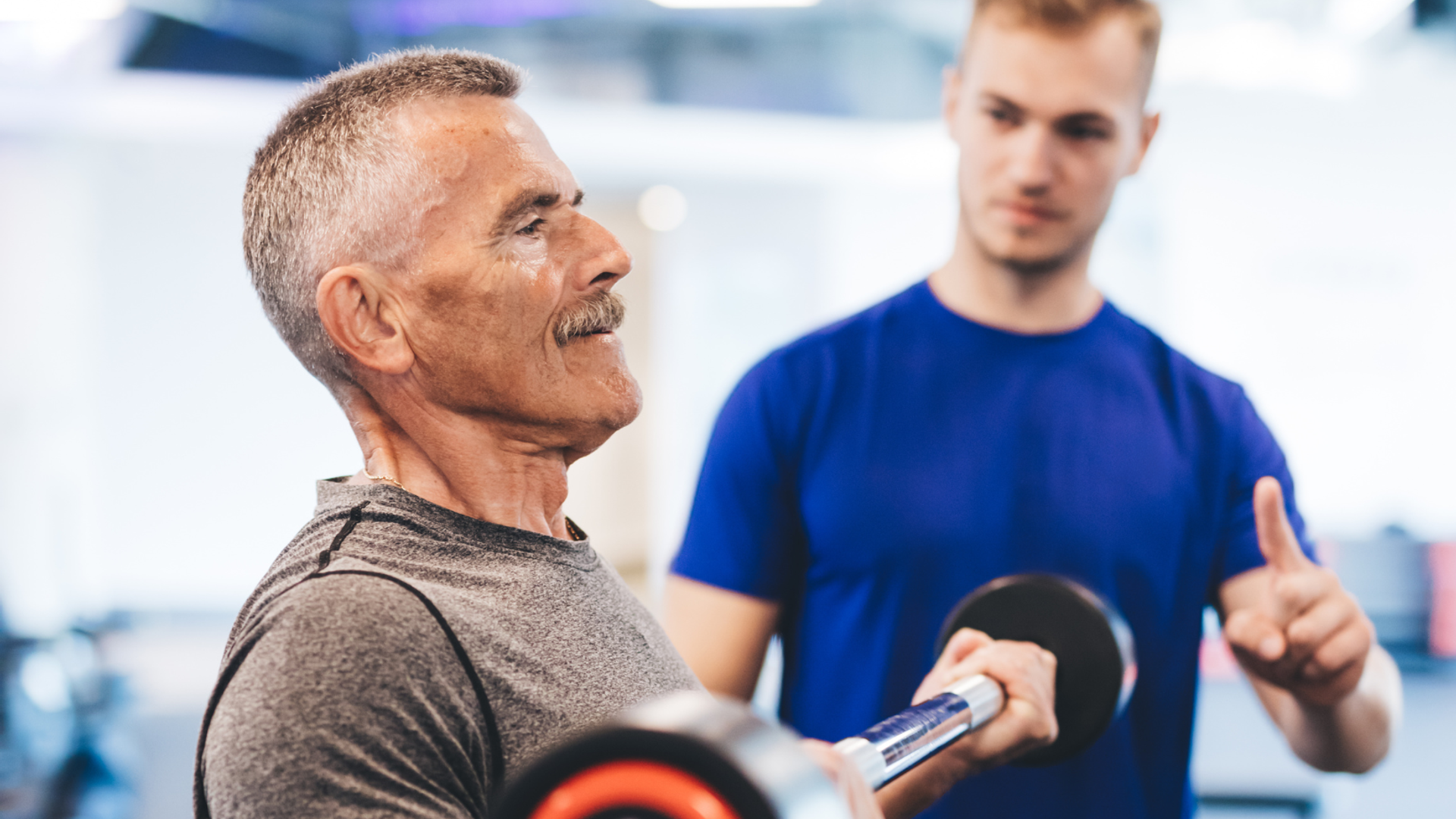
Trainer fit is partly technical and partly personal. You need someone qualified, but you also need someone you can work with consistently.
Listen to How They Explain Exercises
A strong trainer can explain a movement without burying you in jargon. They should tell you what to feel, where to focus, and how the exercise connects to your goal.
They should also correct form in a way that feels respectful. You should not feel embarrassed for needing guidance.
Watch How They Handle Feedback
If something hurts, feels awkward, or makes you nervous, your trainer should listen. They should be able to change the exercise, reduce the load, slow the pace, or explain another option.
Dismissive coaching can lead to poor experiences and avoidable setbacks. You are hiring support, not someone to ignore your concerns.
Notice Their Follow-Through
A trainer’s professionalism shows up between sessions too. Do they remember what you worked on? Do they track your progress? Do they show up prepared? Do they adjust the plan over time?
Clients often get more comfortable with what to expect from a first personal training session when they know the first meeting should include questions, assessment, and a clear plan rather than instant intensity.
Making Personal Training Work Around a New York Schedule
NYC routines can be demanding. Work can run late, trains can slow down, and personal commitments can take over quickly. A strong fitness plan needs some flexibility built in.
The Schedule Should Be Realistic
A plan that only works during a perfect week will not last. Your trainer should help you find session times and workout formats that fit your actual routine.
That might mean shorter sessions on busier weeks, morning training before work, apartment-gym sessions during lunch, or home workouts when travel feels like too much.
Consistency Needs Less Friction
The value of in-home training often comes from reducing the number of steps between deciding to work out and starting the session. Clients can weigh the benefits of personal training at home when comparing private coaching, schedule fit, and space-friendly workouts against a traditional gym setup.
Less friction can make consistency easier. That is especially valuable in a city where simple errands can take longer than planned.
How Svetness Helps You Find the Right NYC Fit
Svetness removes much of the guesswork from choosing a trainer. You do not have to sort through endless profiles or hope the closest gym has the right person available.
Matching Looks at More Than Location
A personal trainer in New York City should fit your goals, schedule, personality, and preferred training space. Some clients want a calm, encouraging trainer. Others prefer more energy and direct accountability.
Svetness uses those details to help create a better match, so the training relationship feels more personal from the beginning.
Sessions Can Fit Your Real Environment
Svetness personal training services can take place in your home, apartment gym, office gym, or another suitable space. Your trainer can build the session around your goal and the equipment available.
That matters in New York, where the best training setup is often the one that removes the most obstacles.
Support Continues Beyond the First Match
A personal trainer in New York City should feel like someone you can trust with your time, goals, and concerns. If the fit does not feel right, Svetness can help you find a better match.
That support makes the process less stressful for clients who are tired of crowded gyms, rushed sales calls, or starting over with a new trainer again and again.
Find a Personal Trainer in New York City With Svetness
The right trainer should help you cut through the noise of the NYC fitness market and make training feel more personal, practical, and repeatable. That means looking beyond the nearest gym or the most visible profile and choosing someone who fits your goals, your space, your schedule, and the way you like to be coached.
Svetness can match you with a qualified trainer who brings structure and one-on-one support to a setting that works for your life.
Book Your Free Svetness Consultation
FAQs
How do I choose the right personal trainer in New York City?
Look for certification, insurance, a proper intake, clear communication, and a training style that fits your goals and schedule. The right trainer should ask thoughtful questions before building your plan.
Is in-home personal training effective in NYC?
Yes. In-home training can work well in apartments, building gyms, office gyms, and suitable outdoor spaces. A good trainer can adapt the session to your space and available equipment.
What if my apartment is small?
A small apartment can still work for personal training. Many effective sessions use bodyweight movement, resistance bands, dumbbells, mobility work, and enough floor space for a mat.
Can I use my building gym with a Svetness trainer?
Yes. Many NYC clients train in apartment or condo gyms. Your trainer can build a program around the available machines, weights, and open space.
What if I do not feel matched with the right trainer?
Trainer fit matters. If the coaching style, communication, or schedule does not feel right, Svetness can help you find someone better suited to your needs.
Start your Svetness journey today
Get a free consultation and see how our trainers can transform your wellness journey.