Psyllium Husk: How to Use for Weight Loss, Gut Health, and More

It's not a magic weight loss fix, but psyllium husk can be a powerful tool for gut health and satiety when used correctly. Here's how.
It's a conversation we have with clients all the time. They come to us frustrated, stuck on a weight loss plateau despite putting in the work at the gym. They're eating clean, tracking their macros, and showing up for every session. Yet, the scale won't move, and they're constantly battling cravings that derail their progress.
They've heard whispers in online forums and seen ads for a so-called “miracle fiber” that promises to melt fat and fix digestive woes overnight: psyllium husk.
The wellness world is saturated with these kinds of promises. Powders and pills are marketed as effortless shortcuts, and psyllium husk has become the latest star here. It's presented as a simple powder you can stir into water to curb hunger, cleanse your system, and accelerate weight loss without any extra effort. But as with most things in health and fitness, the reality is far more nuanced.
Here's the truth: psyllium husk isn't a magic wand. It won't undo a poor diet or a sedentary lifestyle. However, it can be an incredibly effective tool when integrated into a well-rounded fitness and nutrition plan. When you learn how to use psyllium husk strategically, it can offer significant support for your gut health, improve your consistency, and yes, even help with weight management.
So, our article below isn't a story about a miracle cure, but a realistic guide to using this powerful fiber to support your body's natural functions and make your health journey a little bit smoother. Let’s get into it!
What Exactly Is This Plant-Based Fiber?

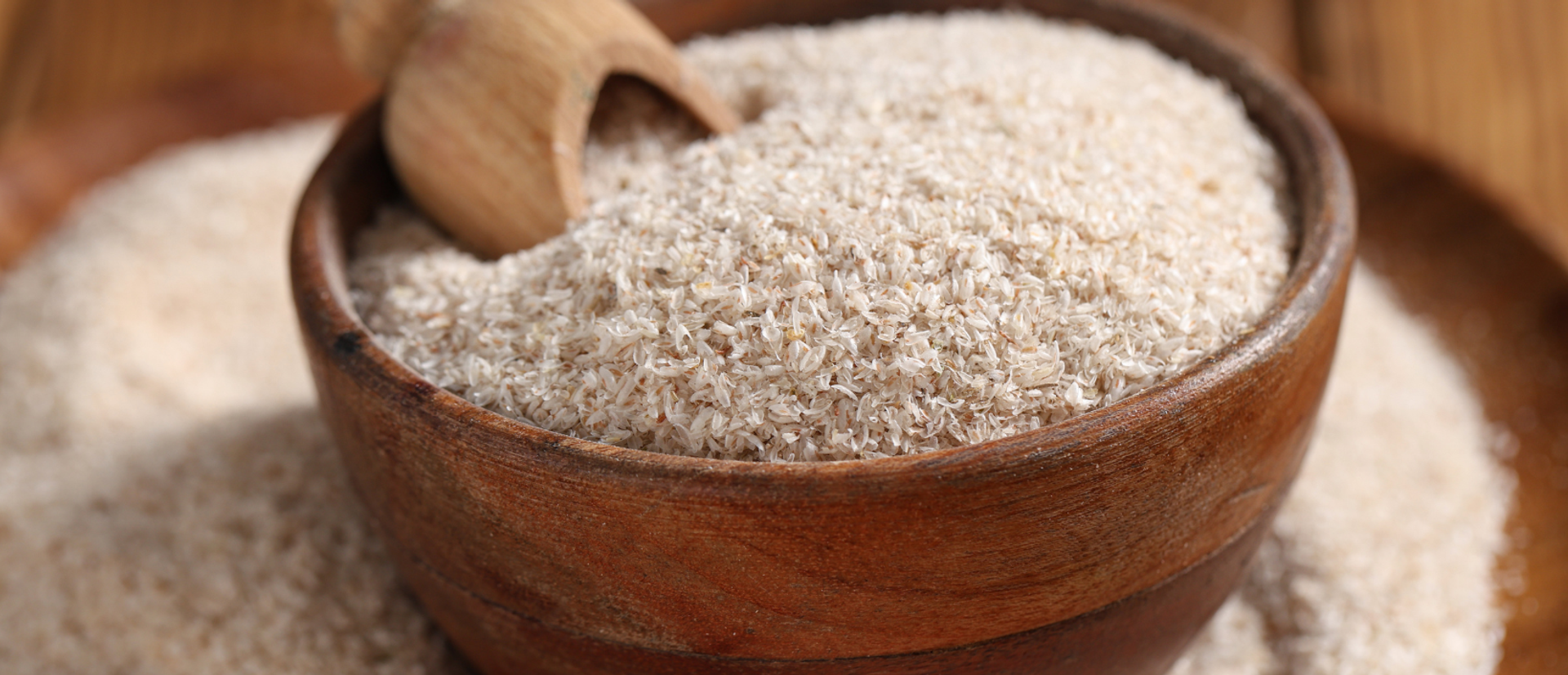
Before we get into the "how," it's important to understand the "what." Psyllium husk is a type of soluble fiber derived from the seeds of the Plantago ovata plant, an herb grown predominantly in India.
It's sold in various forms, including powder, granules, and capsules, and is sometimes added to fortified cereals.
Think of fiber in two main categories: soluble and insoluble.
Insoluble fiber, found in things like wheat bran and many vegetables, doesn't dissolve in water. It acts like a "bulking agent" to help move things along your digestive tract. Soluble fiber, on the other hand, does dissolve in water. When psyllium husk meets liquid, it transforms into a thick, gel-like substance. This gel is what holds all of its unique properties.
This gel-forming action is key. As it travels through your digestive system, it resists being fully broken down. Instead of being absorbed as calories, it acts as a gentle, bulk-forming laxative that helps regulate the system in several ways. It's not a nutrient in the traditional sense, but its structural properties have a profound impact on your body.
Psyllium Husk: How to Use It for Maximum Benefit

Knowing how to use psyllium husk is the most critical factor in determining whether it helps or hinders your progress. The internet is full of conflicting advice, with some recommending heaping tablespoons from day one. This is a recipe for discomfort. The key is a slow, steady, and well-hydrated approach.
Starting Your Psyllium Journey: Dosage and Hydration
The golden rule of psyllium is to start small and drink plenty of water. We had a client, Mark, who was excited to try it for digestive regularity. He'd read a blog that recommended a large dose and decided to jump right in. The result? He felt bloated, gassy, and more uncomfortable than before. His mistake wasn't the psyllium itself, but the dosage and lack of hydration.
We advised him to reset. We had him start with just one teaspoon (about 5 grams) mixed into a full 8-ounce glass of water once a day. He followed that with another glass of water immediately after. After a week with no issues, he moved up to twice a day. This gradual increase allowed his digestive system to adapt.
The extra water is non-negotiable; because psyllium absorbs so much liquid, you must provide enough to prevent it from causing blockages or discomfort. A common recommendation is to work up to a dose of 5-10 grams, one to three times per day, but always with sufficient liquid.
Finding the Right Form for Your Lifestyle
Psyllium comes in a few different forms, and the best one for you depends on your preferences and routine.
Powder is the most common and versatile form, mixing easily into water, juice, or smoothies. It has a slightly earthy taste and can thicken liquids quickly, so it's best to drink it right after mixing. It's also the most cost-effective option.
For those who dislike the texture or taste, capsules are a convenient alternative that are pre-measured and easy to take on the go. However, you still need to drink a full glass of water with them to make sure they work correctly. Granules and wafers are less common but offer other ways to consume psyllium and are often found in branded fiber supplements.
The Science-Backed Benefits Beyond Regularity
While most people turn to psyllium for constipation, its benefits extend far beyond that. The gel-forming action has systemic effects that can support several key health markers.
A Tool for Weight Management and Satiety
This is the benefit that attracts the most attention. Psyllium husk can aid in weight management primarily by increasing feelings of fullness, or satiety.
Remember that thick gel it forms? When you consume it before a meal, that gel takes up space in your stomach and slows down the rate at which your stomach empties. This sends signals to your brain that you are full, which can help reduce your overall calorie intake.
This can be a powerful tool for someone struggling with cravings or portion control. A client of ours, Jennifer, found that a small glass of water with psyllium 30 minutes before dinner was enough to prevent her from overeating in the evenings, which had been her biggest challenge. It didn't magically make her lose weight, but it gave her the control she needed to stick to her nutrition plan.
Supporting Heart Health and Blood Sugar
Psyllium's benefits for metabolic health are well-documented.
Its soluble fiber can bind to cholesterol and bile acids in the gut, helping to excrete them from the body. This process can lead to lower LDL ("bad") cholesterol levels.
Studies show it can also help manage blood sugar levels. By slowing down digestion, it also slows the absorption of carbohydrates, which can help prevent sharp spikes in blood sugar after a meal. A 2020 review even noted that psyllium could help reduce systolic blood pressure.
Fueling a Healthy Gut Microbiome
Your gut is home to trillions of bacteria, and keeping them happy is essential for overall health. Psyllium acts as a prebiotic, which is essentially food for these beneficial gut bacteria. While it's largely resistant to fermentation, some of it is fermented by gut bacteria to produce short-chain fatty acids (SCFAs) like butyrate. These SCFAs are vital for maintaining the health of the colon lining, reducing inflammation, and supporting immune function. A healthy gut microbiome is linked to everything from better digestion to improved mood and a stronger immune system.
Psyllium Husk: How to Use and Integrate Into Your Daily Routine
Knowing the benefits is one thing; making it a consistent habit is another.
The key is to find a method that fits into your existing routine. For many, the easiest way is to mix psyllium powder into a morning smoothie. It adds a fiber boost without significantly altering the taste, especially when blended with fruits and vegetables. Others prefer stirring it into oatmeal or yogurt. And because it acts as a thickener, it can give these foods a creamier, more substantial texture.
Some people also use it in baking. It can be used as a binding agent in gluten-free recipes or to add moisture and fiber to muffins and breads. This can be a great way to increase your fiber intake without having to think about taking a supplement.
Like other supplements, the most important part is consistency. Whether you take it in the morning or at night, find a time that works for you and stick with it. And always, always remember to drink enough water throughout the day to support its function.
Timing Matters: When to Take Psyllium for Maximum Effect
While there's no single "best" time to take psyllium, strategic timing can enhance its benefits. If your goal is to improve regularity and digestive health, taking it in the morning with breakfast can help establish a consistent bowel movement pattern. Your digestive system operates on a rhythm, and morning intake aligns with your body's natural processes.
For weight management and satiety, taking psyllium 30 minutes to an hour before your largest meal can be particularly effective. This gives the fiber time to start forming its gel-like consistency in your stomach, priming your system to feel fuller faster.
If you're taking medications, remember to space them out by at least two hours from your psyllium intake to avoid interference with absorption. Some people find that taking psyllium at night works better for their schedule and digestive patterns. The key is finding what works for your body and your lifestyle, then committing to it consistently.
Start your Svetness journey today
Get a free consultation and see how our trainers can transform your wellness journey.
Real-World Success: How Clients Use Psyllium
We've seen psyllium work wonders for clients when it's integrated into a comprehensive fitness and nutrition plan.
One client, Sarah, came to us frustrated after hitting a weight loss plateau. She was exercising regularly and eating well, but her digestive health was inconsistent, and she felt bloated most days. We recommended adding psyllium to her routine along with increasing her water intake.
Within two weeks, she felt noticeably better. Her digestion improved, her energy increased, and she felt less bloated. Over the next three months, combined with consistent training and a balanced diet, she lost 12 pounds and felt more confident than ever.
Another client, Marcus, had high cholesterol readings and was concerned about his heart health. His doctor recommended dietary changes before considering medication. We worked with him to increase his fiber intake through whole foods and added psyllium as a supplement.
Six months later, his cholesterol had dropped significantly, and his doctor was pleased with his progress. Marcus attributed much of his success to the consistency of his routine and the support from his trainer.
These aren't miracle stories. They're stories of people who used the right tools in combination with hard work and consistency.
Psyllium Husk vs. Other Fiber Sources
You might wonder why psyllium husk specifically, when there are so many other fiber sources available. Whole foods like vegetables, fruits, legumes, and whole grains are all excellent sources of fiber and should form the foundation of your diet. However, they don't always provide the specific benefits that psyllium does.
Psyllium is a soluble fiber that forms a gel, which is unique among commonly consumed fibers. This gel-forming action is what gives it its particular benefits for satiety and cholesterol management. Other soluble fibers, like oat bran or barley, have some similar properties, but psyllium is particularly potent. Insoluble fibers like wheat bran are excellent for promoting bowel movements but don't offer the same satiety or cholesterol-lowering benefits.
The ideal approach is to get your fiber from a variety of sources. Eat plenty of whole foods rich in fiber, and use psyllium as a concentrated supplement when you need additional support. This combination is the best way to make sure you're getting a full spectrum of fiber types and all the associated micronutrients that come with whole foods.
Common Mistakes People Make With Psyllium
We've seen people make the same mistakes repeatedly, so let's address them head-on.
Common psyllium mistakes
• Taking too much too soon
What happens: Bloating, gas, or constipation, which can make it seem like psyllium does not work.
How to avoid it: Start with a small dose, introduce it gradually, and increase slowly over time.
• Not drinking enough water
What happens: Digestive discomfort and reduced effectiveness.
How to avoid it: Drink at least 8 ounces of water with each dose and increase overall daily water intake.
• Expecting psyllium to cause weight loss on its own
What happens: No meaningful weight loss despite supplementation.
How to avoid it: Use psyllium as a supportive tool alongside a balanced diet and regular exercise.
• Ignoring timing with medications or supplements
What happens: Reduced effectiveness of certain medications.
How to avoid it: Check with a healthcare provider and separate psyllium from medications when needed.
Are There Any Downsides to Taking Psyllium?
For most people, psyllium is safe and well-tolerated.
The most common side effects are minor digestive discomforts like gas or bloating, especially when first starting. These can usually be avoided by starting with a small dose and increasing it gradually.
Allergic reactions are rare but possible. More importantly, psyllium can delay the absorption of certain medications, so it's recommended to take it at least two hours apart from any other drugs or supplements. As with any supplement, it's always a good idea to speak with a healthcare professional before adding it to your regimen, especially if you have any underlying health conditions.
One concern we hear about is whether taking psyllium daily is safe. The answer is yes. Research shows that taking psyllium fiber supplements every day is safe and well-tolerated in most instances. Your body doesn't build a tolerance to it, and it won't create dependence. In fact, many people find that daily use helps them maintain consistent digestive health.
Another consideration is cost. Psyllium is relatively inexpensive compared to many other supplements, especially when you buy it in bulk powder form. A container can last several months, making it an affordable addition to your health routine.
The bottom line on safety is this: when used correctly with adequate hydration and gradual introduction, psyllium is one of the safest and most effective supplements available. The risks are minimal, and the potential benefits are significant.
Making Psyllium Part of Your Bigger Picture

Psyllium husk is a fantastic tool, but it's just one piece of the puzzle.
True, sustainable health comes from building a foundation of solid habits: consistent exercise, a balanced diet rich in whole foods, adequate sleep, and stress management.
At Svetness, we work with clients to build these foundational habits first.
A supplement can support your journey, but it can't replace the journey itself. A great weight loss personal trainer helps you build a lifestyle where tools like psyllium can enhance your results, not create them. They provide the accountability and personalized guidance needed to turn small, daily actions into lasting transformation.
If you're ready to build a plan that works for your body and your life, our team is here to help.
FAQs on How to Use Psyllium Husk
What is the best way to start taking psyllium husk?
Start with a small dose, such as one teaspoon (about 5 grams), mixed thoroughly in at least 8 ounces of water once a day. Drink it immediately, as it will thicken quickly. Be sure to drink plenty of other fluids throughout the day. You can gradually increase your intake as your system adapts.
Can psyllium husk help you lose belly fat?
Psyllium husk is not a targeted fat-loss supplement. It can aid in overall weight management by promoting feelings of fullness, which may lead to a reduction in calorie intake. However, losing belly fat requires a comprehensive approach that includes a calorie deficit, regular exercise, and a balanced diet.
Is it better to take psyllium in the morning or at night?
There is no single "best" time to take psyllium. Some people prefer taking it in the morning to promote regularity throughout the day. Others find that taking it before a meal (like dinner) helps with satiety and prevents overeating. The most important factor is consistency, so choose a time that you can stick with every day.
Can I take psyllium husk with other supplements?
Because psyllium can slow down the absorption of other substances, it's generally recommended to take it at least two hours before or after any other medications or supplements. This allows your body to have enough time to absorb other substances properly.
What happens if you take psyllium husk without enough water?
Taking psyllium without adequate water is dangerous. The fiber can swell and thicken in your throat or intestines, creating a choking hazard or a blockage. It is essential to mix it with sufficient liquid and drink it promptly, followed by more water.
References
[1] Medical News Today. (2024, January 19). Psyllium: Benefits, safety, and dosage. https://www.medicalnewstoday.com/articles/318707
[2] WebMD. (2025, July 28). How to Take Psyllium Husk: Simple Guide for Beginners. https://www.webmd.com/digestive-disorders/psyllium-husk-use
[3] GoodRx. (2025, April 1). 7 Benefits of Psyllium Husk Fiber Supplements. https://www.goodrx.com/well-being/supplements-herbs/psyllium-husk-benefits
[4] Gibb, R. D., McRorie, J. W., Jr, Russell, D. A., Hasselblad, V., & D'Alessio, D. A. (2023). Psyllium is a natural nonfermented gel-forming fiber that is effective in facilitating weight loss in overweight and obese participants. Nutrition, 115, 112148. https://pmc.ncbi.nlm.nih.gov/articles/PMC10389520/
[5] Gholami, Z., Ghasemi-Tehrani, H., & Askari, G. (2023). The beneficial effects of psyllium on cardiovascular risk factors: A comprehensive review of meta-analyses. Food Science & Nutrition, 11(11), 6349-6360. https://www.sciencedirect.com/science/article/pii/S1756464623004784
Start your Svetness journey today
Get a free consultation and see how our trainers can transform your wellness journey.