
Average Personal Trainer Cost Explained: Gym vs In-Home Training

Personal training prices vary wildly. Here's what actually drives the average personal trainer cost and where your money goes in gym vs in-home models.
Trying to figure out what you should be paying for a personal trainer can feel intentionally confusing. You see a wide spectrum of prices, a dozen different package options, and it’s difficult to compare apples to apples. It often feels like the fitness industry has made pricing as opaque as possible, leaving you to wonder what a fair rate actually is.
I’ve had countless conversations with people who are frustrated by the lack of clarity. They want to invest in their health and fitness, but they are hesitant to commit to a significant expense without fully understanding the value proposition. You wouldn’t buy a car without knowing the full cost, including fees and long-term maintenance, so why should investing in your physical well-being be any different?
My goal here is to pull back the curtain and offer a straightforward financial breakdown of what goes into the cost of personal training. We will look at the different models, what you get for your money, and how to think about the expense not as a cost, but as an investment in a healthier, more capable you.
Deconstructing the Average Personal Trainer Cost
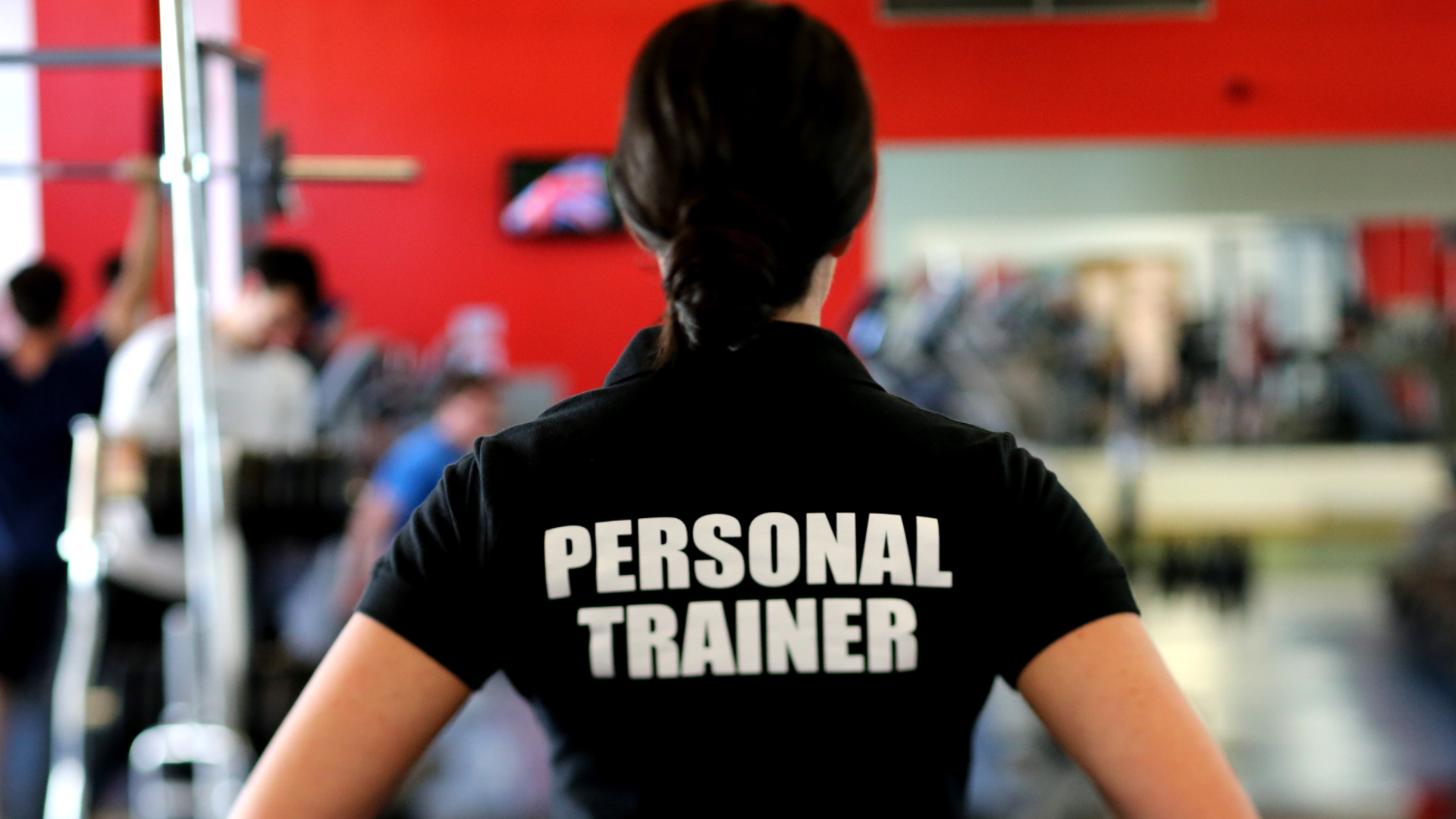
When you start looking for a personal trainer, the first thing you will notice is the significant variation in pricing. This is not arbitrary. The rate a trainer charges is a reflection of their experience, certifications, location, and the business model they operate within. A newly certified trainer working at a large commercial gym will have a different price point than a seasoned professional with a decade of experience and a private clientele.
Understanding these variables is the first step in decoding the average personal trainer cost. It’s less about finding a single magic number and more about understanding the factors that contribute to the overall price.
Personal Training Pricing Models
| Pricing Model | How It Works | Best For |
|---|---|---|
| Per-Session Rate | Pay a fixed rate for each individual session. | Those testing the waters, short-term goals, or unpredictable schedules. |
| Package Deal | Buy a bundle of sessions (e.g., 10) at a discounted per-session rate. | Consistent clients who want savings with a moderate commitment. |
| Monthly Subscription | Pay a recurring monthly fee for a set number of sessions per month. | Clients seeking structure, predictability, and a long-term trainer relationship. |
| Specialized / Advanced Certification Rate | Higher rate for trainers with advanced certifications (e.g., corrective exercise, sports performance, pre/post-natal). | Athletes, injury recovery clients, or those with complex fitness needs. |
By breaking down the pros and cons of each model, you can begin to see where the value lies for your specific needs and budget.
Pros & Cons
| Pricing Model | Key Benefit | Key Drawback |
|---|---|---|
| Per-Session Rate | Maximum flexibility — no long-term commitment required. | Most expensive over the long term; no financial incentive for consistency. |
| Package Deal | Meaningful savings compared to per-session pricing. | Larger upfront investment; less flexible than per-session. |
| Monthly Subscription | Predictable monthly cost; fosters a deeper long-term relationship. | Highest upfront commitment; less suited for variable schedules. |
| Specialized / Advanced Certification Rate | Access to advanced expertise tailored to specific goals or conditions. | Higher cost; may not be necessary for general fitness goals. |
Gym-Based vs. Independent Trainers and the Average Personal Trainer Cost
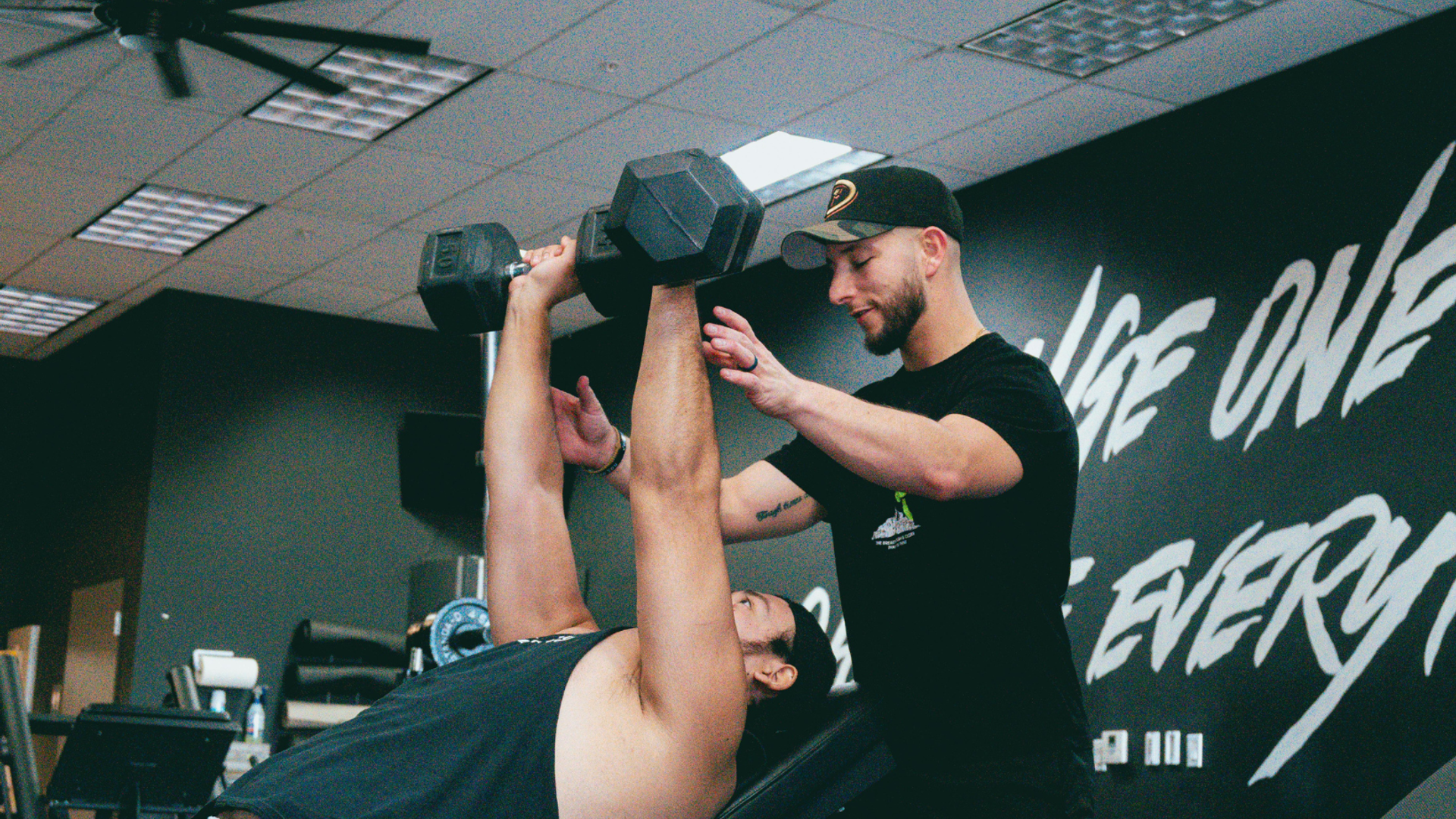
The environment where you train also plays a significant role in the overall cost. A trainer who works for a commercial gym has a different set of overhead costs and business structures than an independent trainer who runs their own business. This distinction is crucial when evaluating the average personal trainer cost.
Start your Svetness journey today
Get a free consultation and see how our trainers can transform your wellness journey.
Gym-Based vs. Independent Personal Trainer
| Factors That Affect Cost | Gym-Based Trainer | Independent Trainer |
|---|---|---|
| Employment | Employee of the gym. | Self-employed; runs their own business. |
| Where Your Fee Goes | A large portion goes to the facility — equipment, operating costs, and marketing. | Trainer keeps a much larger percentage; pays their own business expenses (insurance, marketing, equipment). |
| Price Point | Can appear lower initially due to gym subsidies. | Rate reflects the trainer's expertise and time more directly. |
| Trainer Earnings | Trainer receives only a fraction of what the client pays. | Trainer retains the majority of the fee. |
| Trainer Retention | Higher turnover — experienced trainers often leave for more lucrative opportunities. | More stable; the trainer is invested in building their own client base. |
| Focus on Client | Shared attention across a large gym environment. | Undivided focus on the client's goals, especially with in-home services. |
| Personalization | Can be limited by gym protocols and group class structures. | Fully customized to the individual client, without gym overhead or distractions. |
The independent model allows for a more personalized approach, as the trainer has the autonomy to design programs and schedule sessions in a way that best serves their clients, rather than being constrained by corporate policies. This can present signifcant value to the client.
At Svetness, we bring the expertise of a dedicated trainer directly to your home, which creates a focused and efficient environment for achieving your fitness goals. For more on this, you might find our article on gym classes vs at-home personal training to be an interesting read.
Uncovering the Hidden Costs of Fitness
One of the most overlooked aspects of budgeting for personal training is the hidden or indirect costs associated with it. These are the expenses that are not listed on the price tag but can add up significantly over time.
These hidden costs can dramatically alter the perceived value of a particular training option. An in-home personal trainer might have a higher per-session rate, but when you factor in the money you save on a gym membership, gas, and childcare, the overall cost can be surprisingly comparable, if not lower.
The Cost of a Gym Membership
For example, if you are training at a gym, you are not just paying for the trainer. You are also paying for a gym membership, which can be a substantial monthly expense on its own. Then there is the commute. The time you spend driving to and from the gym is time you could be spending on other things. The cost of gas and wear and tear on your vehicle also need to be factored in.
Factoring in Childcare
For parents, childcare can be another significant expense. If you need to hire a babysitter every time you go to the gym, that cost needs to be added to your total fitness investment. Even the cost of new workout clothes and supplements can add to the total cost of your fitness journey.
The Big Picture of Your Fitness Investment
This is why it is so important to look at the big picture when evaluating your total training investment and considering all the associated expenses beyond the hourly rate. The convenience of having a trainer come to your home eliminates many of these hidden costs, making it a more efficient and often more affordable option in the long run.
The benefits of in-home personal training extend far beyond just the workout itself. Research by the National Institutes of Health highlights that increasing physical activity is a powerful economic investment, leading to significant long-term gains in productivity and overall health.
There is also a mental cost to consider. The stress of navigating a crowded gym, waiting for equipment, and feeling self-conscious can be a significant barrier to consistency. In-home training removes these mental hurdles, creating a more positive and sustainable fitness experience.
Framing Value in Terms of Cost Per Result

Instead of focusing solely on the hourly rate, a more effective way to evaluate the cost of a personal trainer is to think in terms of “cost per result.” What are you actually getting for your investment? Are you achieving your fitness goals? Are you feeling stronger, healthier, and more energetic? This is where the true value of a personal trainer becomes apparent.
A cheaper trainer who is not a good fit for you and does not help you get results is ultimately more expensive than a higher-priced trainer who guides you to success. The right trainer provides accountability, expertise, and a personalized plan that is tailored to your specific needs. They can help you break through plateaus, prevent injuries, and stay motivated on your fitness journey. It is also important to know how to track fitness progress beyond the scale.
When you frame the cost in this way, the conversation shifts from “how much does it cost?” to “what is the return on my investment?” A good personal trainer is not just a luxury; they are a strategic partner in your health and well-being. They can save you years of trial and error in the gym and help you achieve results you never thought possible.
This is why so many people find that personal trainers are worth it. The investment you make in a quality trainer pays dividends in the form of improved health, increased confidence, and a better quality of life. It’s an investment that appreciates over time, unlike a gym membership that you may or may not use.
The "cost per result" mindset encourages you to think long-term and prioritize outcomes over upfront expenses. It’s about investing in a process that will lead to lasting change, rather than simply paying for a service.
Investing in a Fitness Solution That Fits Your Life
The right fitness solution for you is the one that you will stick with. It's the one that fits naturally into your life and removes as many barriers to success as possible. For many people, that solution is in-home personal training.
It eliminates the commute, the crowded gym, and the need for childcare. It provides a private, focused environment where you can work one-on-one with a dedicated professional.
When you consider the total investment of time, money, and energy, the value of at-home PT workouts becomes clear.
Frequently Asked Questions
Why is there such a big price difference between trainers?
The price of a personal trainer is influenced by a variety of factors, including their level of experience, certifications, specializations, and the location where they train. A trainer with a decade of experience and multiple advanced certifications will naturally charge more than a newly certified trainer. Additionally, trainers in major metropolitan areas with a higher cost of living will have higher rates than those in smaller towns.
Is it cheaper to train at a gym?
While the per-session rate for a gym trainer might sometimes appear lower, it’s important to factor in the cost of the gym membership itself. When you combine the training fees with the monthly membership dues, the total cost can often be higher than hiring an independent in-home trainer. You also need to consider the hidden costs of travel time and other expenses associated with going to a gym.
What is a reasonable price to pay for a personal trainer?
A reasonable price depends on your location and the trainer’s qualifications. In general, you can expect to pay anywhere from $60 to $150 per session. However, it’s more important to focus on the value you are receiving than the hourly rate. A good trainer who helps you achieve your goals is a worthwhile investment, regardless of the price.
Do I need to buy equipment for in-home training?
Not necessarily. Many in-home personal trainers bring their own equipment to sessions. They are skilled at creating effective workouts using a variety of portable tools, such as resistance bands, kettlebells, and even your own body weight. Your trainer will assess your home environment and design a program that works with the space and resources you have available.
How do I know if a trainer is a good fit for me?
Finding the right trainer is a lot like dating. It’s important to find someone who you connect with and whose training style aligns with your personality and goals. Most trainers offer a complimentary consultation or a discounted introductory session. Take advantage of this opportunity to ask questions, discuss your goals, and get a feel for their approach. A good trainer will be a good listener and will make you feel comfortable and motivated.
Start your Svetness journey today
Get a free consultation and see how our trainers can transform your wellness journey.