Personal Trainer Tampa: What to Know Before Hiring One

Looking for a personal trainer in Tampa? Compare training, experience, cost, coaching style, and other factors before choosing the right fit.
Hiring a personal trainer can seem simple until you start looking. Tampa has independent trainers, large gyms, private studios, online coaches, and trainers who come to your home. Each can have a different background, price, and coaching style.
That gives you plenty of choice, but it can also make the search confusing. A trainer will help shape your workouts and guide how your plan changes over time. You also need to feel at ease asking questions, talking about your goals, and speaking up when something feels wrong.
If you are comparing personal trainer Tampa options, start with the basics. Look at training, experience, coaching style, safety, location, price, and schedule. You can also work with a personal trainer in Tampa who comes to your home or another suitable place.
In this article, we’ll cover what to check before you hire a personal trainer, which questions to ask, common warning signs, and how to decide if a trainer fits your goals and lifestyle.
Start your Svetness journey today
Get a free consultation and see how our trainers can transform your wellness journey.
1. Know What You Want Help With
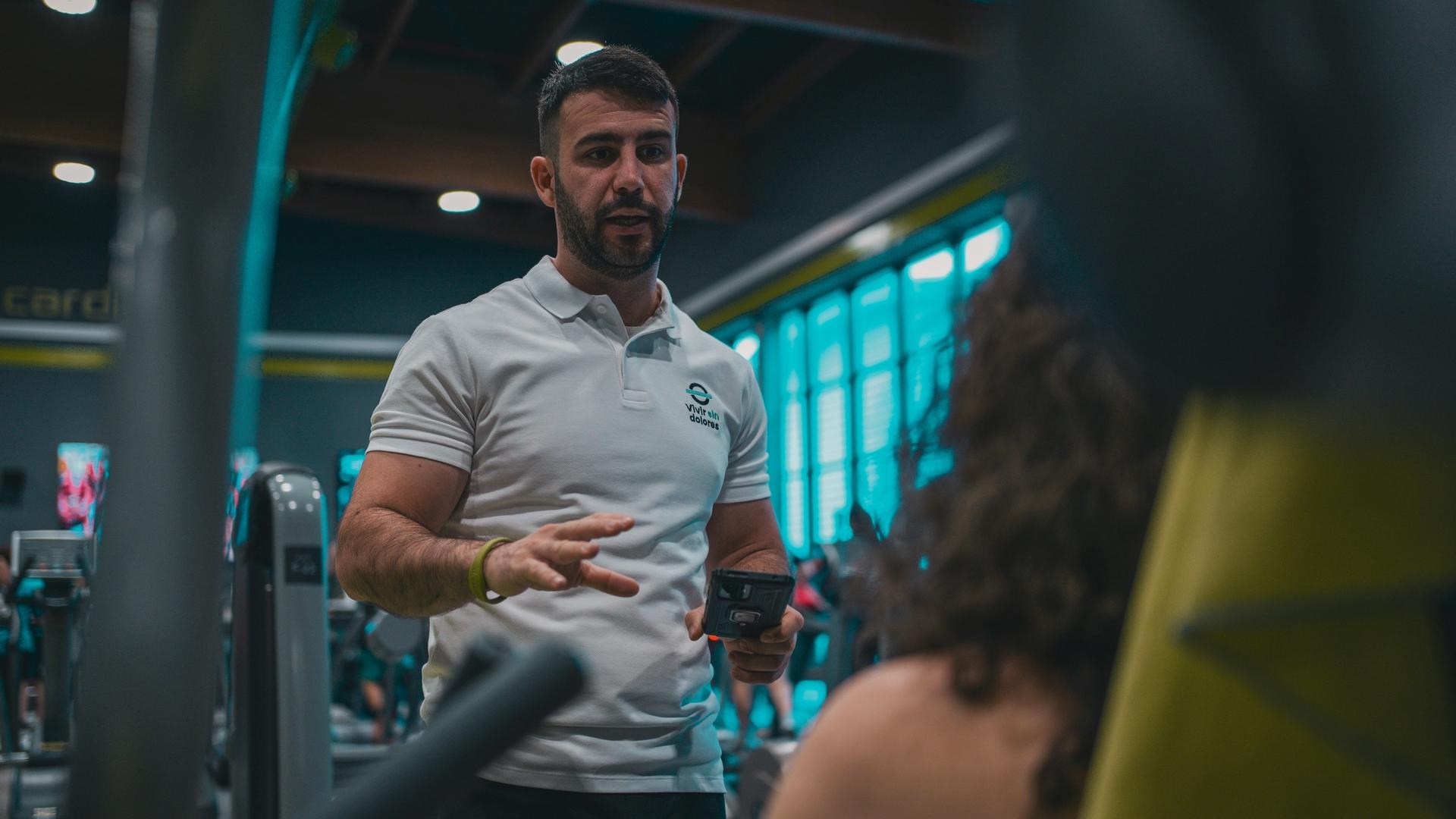
Start by thinking about what you want to change. You do not need to know exactly how to reach your goal because helping you build that plan is part of the trainer’s job.
A clear goal does make it easier to compare trainers. Saying you want to “get fit” is a good starting point, but you can narrow it down further.
Your goal might be to:
- Start exercising again after a long break
- Build strength or muscle
- Improve cardio fitness
- Support a weight goal
- Improve balance or mobility
- Prepare for a race or other event
- Feel more comfortable using gym equipment
- Build a regular exercise routine
- Get more support with your workouts
Different goals can call for different kinds of experience. Someone training for a first 5K may want a different coach than an older adult who wants to feel stronger and steadier.
A person who wants to build muscle may also need a different program than someone who has never lifted weights. Knowing what you want gives you a better way to judge each trainer you meet.
2. Check the Trainer’s Certification
A trainer can look very fit on social media and still lack proper training. Before you hire someone, ask what certification they have and if it is current.
Look for a certification from a known fitness group. At Svetness, our trainers hold certifications from groups like ACE, NASM, NSCA, and ACSM. We also check each trainer’s certification, background, and insurance. We interview them before they work with clients.
You can ask any trainer about the same basics. Find out who certified them, if the certification is current, and if they have CPR/AED training. You can also ask about insurance and any extra education they have completed.
These are normal questions to ask before paying someone to guide your workouts. A trainer should be able to explain their training and background in clear terms.
3. Look Beyond the Certification
A certification is a good starting point, but it does not tell you everything. Two trainers can have the same certification and still have very different work experience.
One coach may spend most of their time working with athletes. Another may mainly train adults in their 60s and 70s who want better strength and balance. Both may be good trainers, but they may serve very different clients.
Ask if the trainer often works with people who have goals like yours. If you want to gain muscle, ask about strength-training experience. If you are new to exercise, ask how often they work with beginners.
Health needs can make this even more important. If you have an injury, health condition, new pain, or a major movement limit, tell the trainer before you begin. A personal trainer cannot diagnose or treat a medical problem, and some people may need advice from a healthcare professional before starting a new exercise plan.
4. Ask How Your Plan Will Be Personal
Personal training should be built around you. Your trainer should know more than your name and how much weight you can lift.
Before making a full plan, a trainer may ask about your goals, past workouts, schedule, likes and dislikes, and current activity level. They should also ask about anything that may affect how you exercise.
The plan should change as you improve. For strength training, this could mean adding weight, doing more reps, changing an exercise, or slowly making a movement harder.
Your trainer should also be able to adjust the plan when life changes. A bad night’s sleep, work trip, busy week, or sore joint may call for a different session. The main goal can stay the same even when a single workout needs to change.
5. Find Out How Closely They Coach
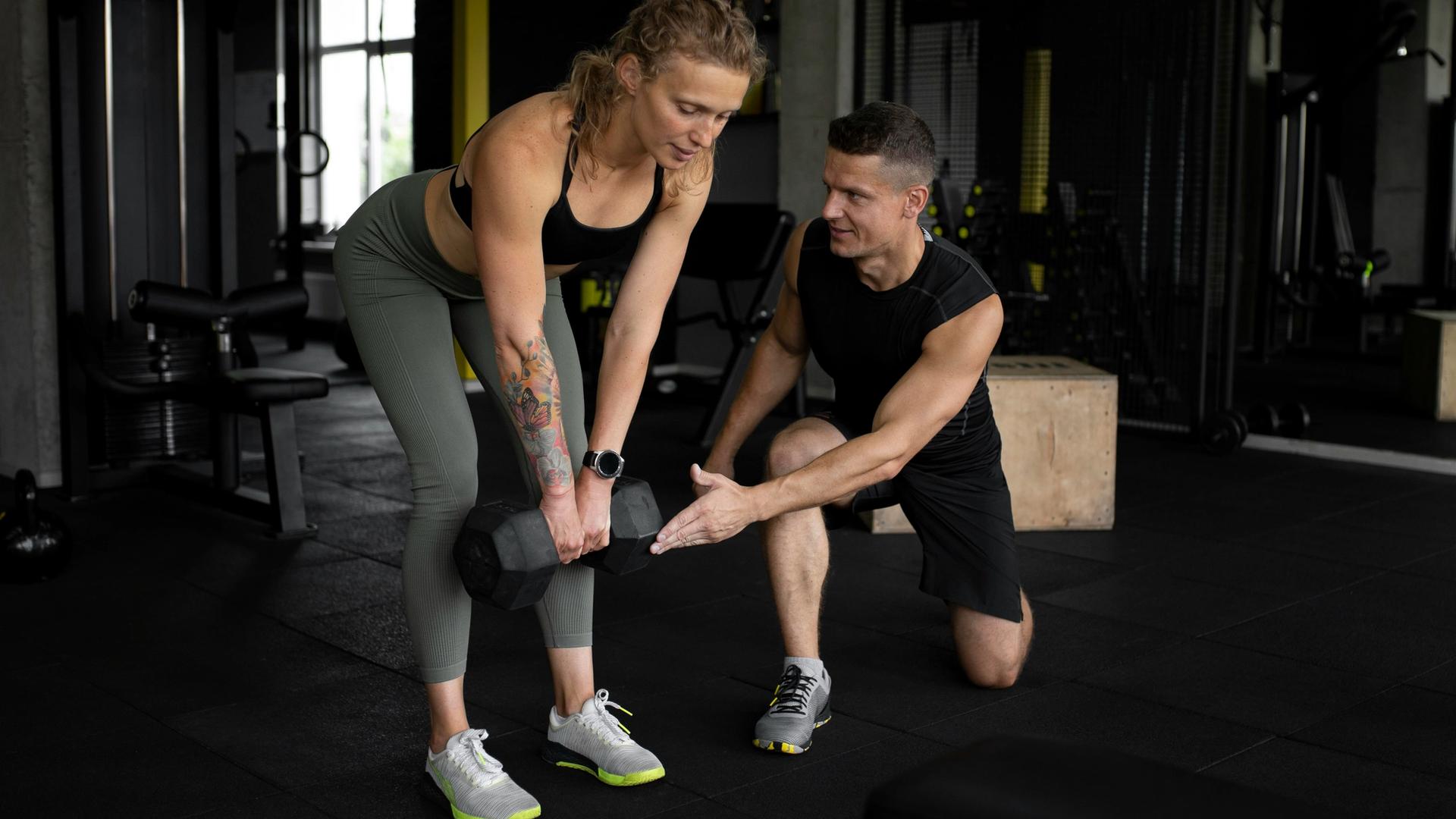
A good trainer stays involved while you exercise. They should watch your movement, give useful feedback, and make changes when needed.
Research suggests that direct supervision can affect some training results. A 2025 randomized controlled trial followed people doing strength training for 10 weeks. The people training with in-person supervision completed more of their planned sessions than those using an app or training on their own.
All three groups improved their strength. The supervised group also improved more on the squat test, which shows one way hands-on coaching may affect a training program.
An earlier study found that trained men gained more strength on some tests when a coach watched them. These studies do not mean every person needs a trainer, but they help show what direct coaching can add.
A trainer can watch your form, make changes, plan progress, and help keep your workouts on track. That level of attention is part of what you are paying for.
6. Pay Attention to Communication
A trainer may know a lot about fitness, but you still need to understand what they are telling you. Good coaching should make exercise easier to understand.
Ask questions during your first talks or sessions. If you ask why an exercise is part of your plan, the trainer should be able to give you a clear answer.
They should listen to you as well. If a movement causes sharp pain, the answer should not be to keep pushing through it. If you dislike an exercise, the trainer can often find another option that works toward the same goal.
Think about the style of coaching you prefer too. Some people like lots of energy and encouragement, while others prefer a calm coach who gives simple, direct feedback. The right style is the one that helps you focus and keep coming back.
Want a checklist for that first talk? Our guide covers more questions to ask before hiring a personal trainer.
7. Decide Where You Want to Train

A personal trainer Tampa residents hire does not have to work out of a gym. Your options can include a commercial gym, private studio, your home, a condo fitness room, a safe outdoor area, or online sessions.
Think about which setting fits your week. A gym with great equipment will not help much if the drive makes it hard to keep your appointments.
Training at a Gym
A gym gives you access to more equipment. You may have heavier weights, cable stations, machines, and cardio equipment in one place.
This can help with goals that need larger or more specific equipment. You will still need time to drive there and get home, so location should be part of the choice.
Training at Home
In-home personal training removes the gym commute and gives you more privacy. You may also need less space and equipment than you think.
Bodyweight exercises, bands, dumbbells, kettlebells, and other small tools can support many types of workouts. At Svetness, our Tampa trainers can meet you at home or another agreed-upon place and bring equipment for the session.
Training in a Condo Gym
A condo or apartment gym can give you the benefits of gym equipment without a drive across Tampa. This can work well if your building has a fitness room you already pay to use.
Check the building rules before you book a trainer. Some properties ask outside trainers for insurance or other documents before they can use the space.
Training Outside
Outdoor workouts can work well in Tampa, but the weather needs to be part of your plan. Heat, humidity, strong sun, rain, and storms can change conditions fast.
Ask what your trainer does when it is too hot or wet to train outside. Having an indoor backup can help you avoid missed sessions.
Start your Svetness journey today
Get a free consultation and see how our trainers can transform your wellness journey.
8. Ask About the First Session
If you are comparing personal trainer Tampa options, ask what the first session will include before you book. Your first session should help the trainer understand where you are starting, so expect to talk about your goals, past exercise, current activity, schedule, and what you enjoy.
Almost any workout can be made harder by adding reps, shortening rest, or choosing more difficult exercises. A good trainer knows how much challenge is appropriate for you now and when it makes sense to increase it over time.
At Svetness, we start with a consultation before we match you with a trainer. This gives us time to talk about your goals, needs, schedule, and training setup before regular sessions begin.
9. Understand What You Are Paying For
Personal training prices in Tampa can vary. Session length, how often you train, the trainer’s experience, and where you train all affect the cost.
The type of package can also change the price. Some plans may cover the coached session only, while others may include workout plans, progress checks, equipment, or support between sessions.
Ask what is included before comparing prices. You should also know the rules for cancellations, missed sessions, payments, and schedule changes.
A lower price is not always a better deal if the service does not fit your needs. Look at what you are getting for the money and how likely you are to use it.
10. Ask How Progress Will Be Tracked
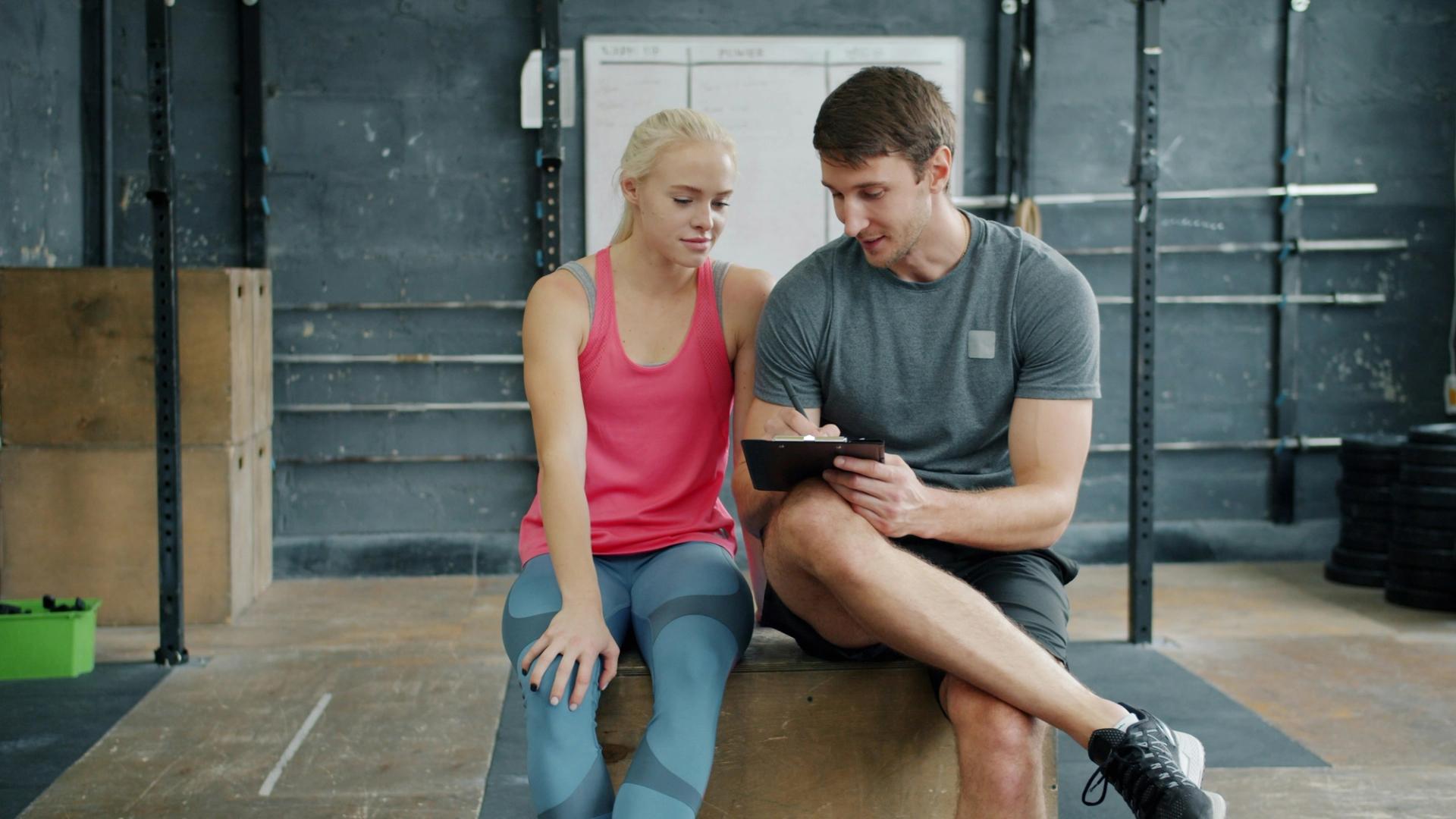
Your trainer should be able to explain how you will know if the plan is working. The answer will change based on your goal.
If you want to get stronger, you might track weight and reps. For cardio fitness, you might look at pace, time, or distance. Someone focused on balance or daily movement may care more about how steady and comfortable certain tasks feel.
Progress does not always show up on a scale. Better form, more strength, improved balance, and a more regular workout habit can all show progress.
Tracking should also help guide your program. If your results have stalled, your trainer can use that information to decide what to change.
11. Watch for Red Flags
Some warning signs are easy to spot, while others can look like intense coaching at first. Be careful with a trainer who cannot explain their qualifications, makes big promises about fast results, or gives every client the same workout.
You should also be cautious if they ignore pain, spend much of the session on their phone, or cannot explain why you are doing an exercise. A trainer should stay focused on the person they are coaching.
Pressure can be another warning sign. A trainer should not shame you, try to diagnose health problems, or push you to buy products you do not need.
Clear prices and rules are part of professional service too. You should know what you are paying for and what happens if you need to cancel or change a session.
Our guide on how to choose a personal trainer goes deeper into these warning signs. It can help you spot problems before you commit to a training package.
12. Think About Personality Fit
You may spend several hours each month with your trainer. Even a well-qualified coach may be a poor fit if you do not feel at ease talking with them.
You need enough trust to ask questions, admit when you skipped a workout, and say when something feels wrong. That kind of communication makes it easier for the trainer to adjust the plan when needed.
During your first meeting, see if they listen before giving advice and explain things without talking down to you. You should also feel safe being honest with them.
At Svetness, we match you with a trainer instead of handing you the next open one. We talk about your goals, needs, and schedule first so we can look for a stronger fit.
13. Know What a Trainer Can and Cannot Do
Hiring a trainer can add more structure and support to your week. Your part is to show up and finish any workouts you agree to do on your own.
Sleep, daily movement, food choices, and other habits may also affect your progress, depending on your goal. Your trainer can help you understand how your workouts fit into the bigger picture.
A trainer can make thoughtful programming choices, give you feedback, and help you stay on track, but you still need to put in the work. That is another reason to choose a setup that fits your real life.
A strong program you can follow most weeks will usually serve you better than one that is difficult to fit into your schedule.
Is Hiring a Personal Trainer in Tampa Worth It?
A personal trainer is worth it if you want help with planning, form, progress, or staying consistent. Someone who already trains well on their own and keeps making progress may need less support.
As the studies above show, coaching may help some people get more from strength training. The bigger value comes from having someone plan the workouts, watch how you move, give feedback, and change the program when needed.
For people comparing personal trainer Tampa options, think about the kind of help you need most. A trainer who solves a real problem in your routine may offer more value than one who simply gives you harder workouts.
Find a Personal Trainer Tampa Residents Can Count On
Look for someone who has the right background for your goals and can explain their approach in a way you understand. Check their certification, experience, safety practices, coaching style, schedule, price, and policies before you sign up.
Then think about how you feel talking with them. A strong working relationship should make it easier to ask questions, speak up when something feels wrong, and stay involved in your plan.
If training at home would make your week easier, we can match you with a personal trainer in Tampa based on your goals, needs, and schedule. Our trainers can bring one-on-one coaching to your home or another suitable place.
Book Your Free Svetness Consultation
FAQs
How much does a personal trainer cost in Tampa?
Prices can vary based on the trainer, session length, location, and how often you train. Ask for the full price, what the package includes, and the cancellation rules before you sign up.
What certification should a personal trainer have?
Look for a current certification from a known fitness group. You should also ask about CPR/AED training, insurance, and experience with clients who have goals like yours.
Can a personal trainer come to my home in Tampa?
Yes. At Svetness, our trainers can meet you at home or in another suitable place in Tampa. They can also bring equipment for the workout.
What should I ask a trainer before hiring them?
Ask about certification, experience, coaching style, safety, price, scheduling, and how your program will be built. You should also ask how progress is tracked and what happens if the trainer is not a good fit.
How do I know if a personal trainer is good?
A good trainer should listen to your goals, explain exercises clearly, and give useful feedback during sessions. They should also track progress, change the plan when needed, and stay within the limits of their training.
Start your Svetness journey today
Get a free consultation and see how our trainers can transform your wellness journey.