How Long Does It Take to See Results With a Personal Trainer? [Personal Trainer Results Timeline]

A personal trainer results timeline shows what may change after two weeks, one month, and six months. Which gains come first, and how can you track them?
You’ve finished your first workout with a trainer and you’re feeling proud of yourself. Now comes the big question. How long until you notice a difference? You might hope your jeans fit differently next month or that the stairs stop leaving you out of breath. But progress can arrive in ways you weren’t expecting. A personal trainer results timeline can help you spot the changes that often come before anything shows up in the mirror.
In your first few sessions, you may get better at the exercises and find it easier to follow a routine. Strength can improve over the following weeks. Changes in muscle size or body fat often need more time, and neither follows a set calendar.
At Svetness, we bring one-on-one training to your home and build workouts around your goals. Our personal trainer results approach includes tracking how you perform and making changes as you improve. Here’s a realistic look at the first six months, including what to measure and when to review your plan.
Start your Svetness journey today
Get a free consultation and see how our trainers can transform your wellness journey.
How Soon Can You See Results With a Personal Trainer?

You may feel more confident after a few sessions, see strength gains within weeks, and notice changes in muscle or body shape over several months. A personal trainer results timeline may look like this:
- Weeks 1–2: Record a starting point and practice exercises.
- Weeks 3–4: Some exercises may feel easier.
- Weeks 5–8: Check gains in strength or stamina.
- Months 3–6: Review fitness and physical changes.
These are possible checkpoints, not promises. Your starting point and recovery affect the pace.
What Is a Personal Trainer Results Timeline?
A personal trainer results timeline is a way to check progress at set points during your training. It shows which changes you might notice and when your coach should review your records. The dates are guides, since people improve at different speeds.
| What you might notice | What to check | |
|---|---|---|
| First 2 weeks | Better form and more confidence | Starting weights and exercise control |
| Weeks 3–4 | Some movements feel easier | Reps, weight, and rest breaks |
| Weeks 5–8 | Clearer strength or stamina gains | Repeat an early exercise or fitness check |
| Months 3–4 | Progress in harder exercises; possible changes in appearance | Workout records and personal goals |
| Months 5–6 | More experience and a stronger routine | Longer-term goals and a revised plan |
You may reach some stages sooner or later. Your trainer should compare your results with your starting point.
Weeks 1–2 Build Your Starting Point
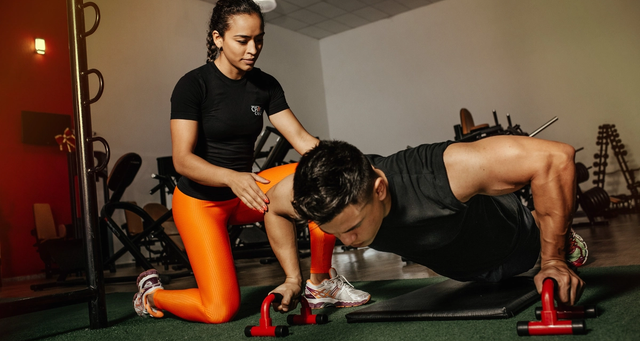
Your first sessions are about finding exercises that suit you. You might try chair squats, dumbbell rows, or short periods of brisk walking. Movements may feel clumsy at first, especially if you’ve never used weights.
Get More Comfortable With the Basics
After a few sessions, you may understand how to stand, breathe, and move during a squat. You might need less help setting up an exercise. That growing confidence is progress, even when your clothes still fit the same.
Record the Numbers You’ll Compare Later
Your coach could record that you can complete eight incline push-ups or walk for 15 minutes at a comfortable pace. They record your starting point for the next review.
New exercises can cause muscle soreness, but soreness doesn’t prove a session worked. Severe or lasting pain should be checked by a healthcare professional.
Weeks 3–4 Look for Early Strength and Stamina Gains

By the end of your first month, some exercises may feel easier. You might complete more reps, use a heavier dumbbell, or need a shorter break between sets. A walk that once felt hard may become easier.
Strength Can Improve Before Muscles Look Bigger
Your body becomes better at activating muscles as you practice. A four-week resistance training study found changes in nerve signals that help muscles produce force. The study focused on a small group training one lower-leg muscle, so it cannot predict your results. It helps explain early strength gains.
Make Your First Monthly Review
Compare one or two exercises with your starting records. If you can now do ten rows with the same weight instead of eight, your trainer has a clear reason to review the load. Our article on how we build personalized fitness plans explains how we adjust workouts as clients gain strength and confidence.
Weeks 5–8 Check for Repeatable Progress
At this point, you may have enough training sessions behind you to spot a pattern. A hard workout may still feel hard, but you might be using more weight or doing more work than you did a month ago.
Repeat a Test You Did at the Start
Try the same exercise with similar form and a suitable level of effort. Perhaps you can now perform twelve controlled chair squats instead of eight. Or a walk that used to need two breaks may feel easier to finish. These comparisons show progress more clearly than judging how tired you feel afterward.
Don’t Expect Every Goal to Change at Once
Some people notice changes in body measurements after several weeks. Others make clear strength gains with little change in the mirror. Weight loss also involves food habits, total activity, and health factors. It’s possible to improve fitness without losing weight.
Months 3–4 Review Strength, Endurance, and Appearance

Three or four months gives your trainer a longer set of records to review. You may be ready for harder exercise variations or more demanding resistance. You could also be walking farther or finishing workouts that once seemed out of reach.
Look for Changes You Can Measure
Your coach may check your weights, reps, or walking pace. The same test under similar conditions offers a fairer comparison than trying something new every week.
Treat Visible Changes as One Possible Result
Muscle growth and changes in body fat can become easier to notice over several months, but timing varies. Photos or body measurements can be used if you want them. They shouldn’t be required, and they won’t tell the whole story about your fitness.
If muscle gain is your main goal, our article on bodybuilding-focused personal training explains how planned strength work and recovery fit together.
Start your Svetness journey today
Get a free consultation and see how our trainers can transform your wellness journey.
Months 5–6 Build on What You’ve Achieved
By six months, you may be doing exercises that were too hard at the start. Someone who began with wall push-ups might now use a lower support. Someone who wanted to walk more could be enjoying longer outings without so many stops.
Set the Next Goal Based on Your Records
Look back at the reason you started. If your goal was to get stronger for daily tasks, check how carrying groceries or climbing stairs feels. If you’ve reached a target, your coach can help choose the next.
Progress may slow as you become more experienced. That doesn’t always mean the plan has failed. Your trainer can check whether the workouts are still challenging and whether you have enough time to recover.
What Can Change Your Personal Trainer Results Timeline?
Two people can start on the same day and see different results. Several parts of your routine can affect how fast changes appear.
Your Starting Level and Goal
Someone who is new to lifting may improve a basic squat quite quickly. An experienced lifter adding weight to a heavy squat may need longer. Losing body fat and building muscle are different goals, so you shouldn’t expect them to follow one schedule.
Your Training Schedule
A weekly coached session can be a good start, especially for beginners. Independent activity may help. Two well-planned strength days may be enough for many people to build strength, while other goals call for a different mix of exercise.
Sleep, Food, and Daily Life
Your body needs enough fuel and rest to respond to training. Work, family care, illness, and poor sleep can all affect how a session feels. Tell your coach when your energy changes so the plan fits your week. A registered dietitian can help if you need a personal nutrition plan.
How Do You Know if Your Training Plan Is Working?
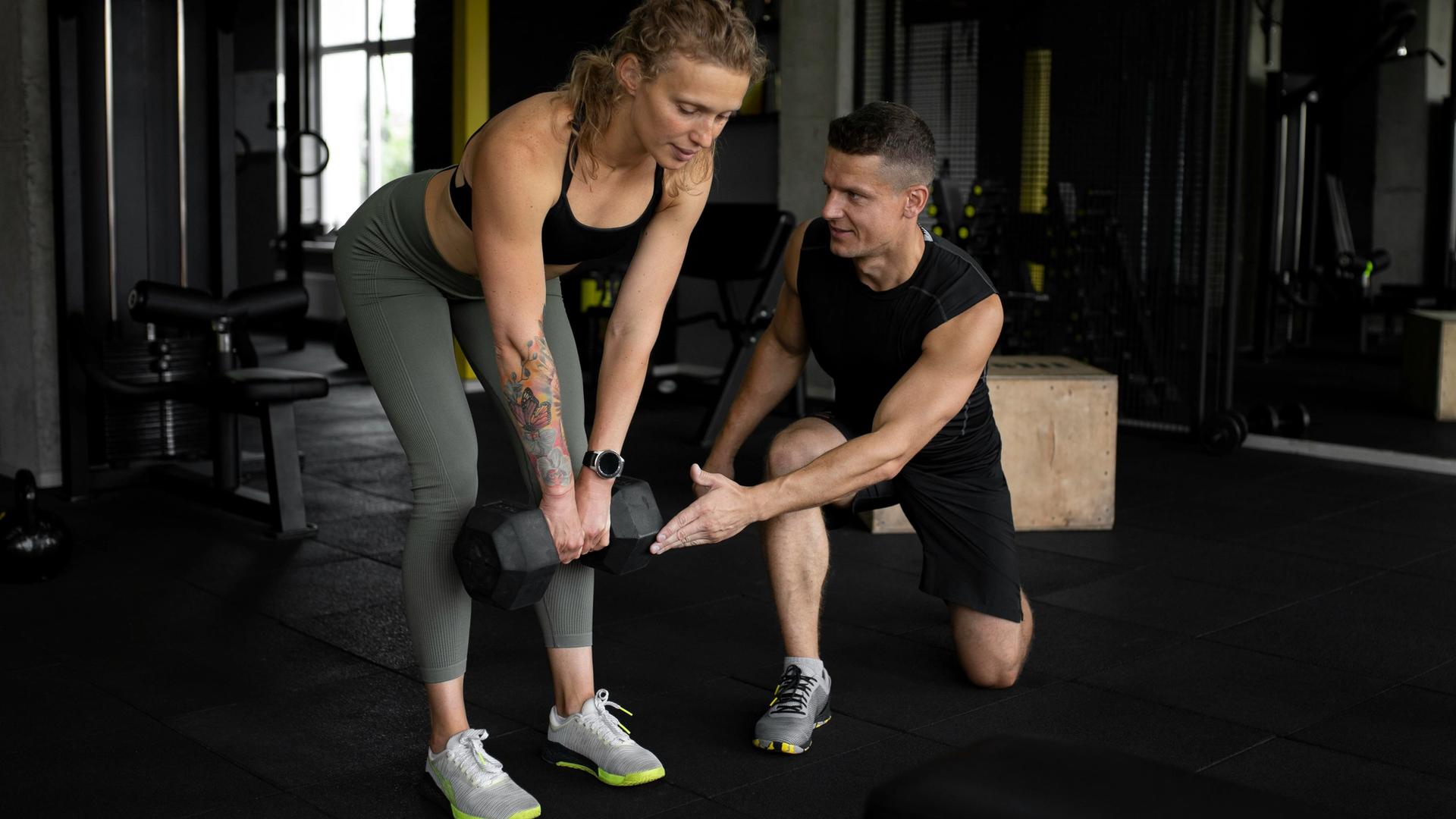
The best way to follow a personal trainer results timeline is to agree on what success looks like before your first workout. Then check the same measures at regular points.
Choose Two or Three Simple Measures
You might track a dumbbell weight, the number of push-ups you can complete, and the time you can walk without a rest. Each measure should link to a goal you care about. The scale can change with food and fluids.
Review Every Four to Six Weeks
Your coach can compare records and update your workouts. Our article on why structured personal training can improve results gives more detail on feedback and keeping exercise on track.
Ask for a Review if Progress Stalls
If your results haven’t changed after several weeks, check attendance, workout difficulty, and recovery. You may need a new exercise or more practice. Talk to a healthcare professional if unusual fatigue, pain, or other symptoms are holding you back.
Start Tracking Your Fitness Progress With Svetness
A personal trainer results timeline gives you checkpoints instead of an unrealistic finish date. You may notice better exercise control early, clearer strength or stamina gains over the following weeks, and more visible changes after several months. Your records tell the story better than a photo.
At Svetness, we’ll help you set a starting point and build workouts around your goals and schedule. When you’re ready to see how your fitness develops, we’re here to help you measure it.
Book Your Free Svetness Consultation
Frequently Asked Questions
Can I see personal training results in two weeks?
You may feel more confident with exercises or find that your movements are easier to control. Large visible changes are less likely in such a short period.
Is one month enough to get stronger?
Some people notice early strength gains in a month. Your coach can compare weights or repetitions with your first sessions to see what has changed.
What results might I see after three months?
You may lift more weight, finish longer cardio sessions, or handle harder exercise versions. Physical changes can appear too, but they vary between people.
How many personal training sessions do I need each week?
One coached session may help you start. Many people use two strength days a week, along with other activity. Your coach can suggest a schedule for your goals and recovery.
Why am I stronger but not losing weight?
Strength and weight loss are separate outcomes. You can improve how much you lift without a change on the scale. Food, daily activity, and other factors affect weight changes.
What if I have no visible results after eight weeks?
Check your workout records before judging progress by appearance. You may have more stamina or strength. If nothing has changed, ask your trainer to review the program with you.
Will a personal trainer get me results faster than training alone?
Coaching can help you follow a clear plan and track progress, but it cannot promise faster results. Consistency and a suitable workout program are still needed.
Start your Svetness journey today
Get a free consultation and see how our trainers can transform your wellness journey.