
Personal Trainer for Beginners: How to Start Safely

A personal trainer for beginners can help you start safely. Use these 18 tips to choose a coach, build your workouts, and make steady progress.
Starting to exercise can feel confusing when you have little or no experience. You may not know which exercises to do, how much weight to use, or how hard a workout should feel. Walking into a gym full of machines and weights can make that uncertainty even worse.
A good personal trainer for beginners should take away much of the guesswork. Your trainer can help you find a sensible starting point, show you how exercises work, watch how your body responds, and add more challenge as you get stronger.
You do not need to get fit before hiring a trainer. Your first workout does not need to leave you exhausted either. Those early sessions are a chance to get comfortable with exercise and start building a routine you can stick with.
In this article, we’ll cover 18 ways to start safely with a personal trainer for beginners, including how to choose a coach, handle your first workouts, make progress, and spot poor coaching.
Start your Svetness journey today
Get a free consultation and see how our trainers can transform your wellness journey.
Choose the Right Trainer First
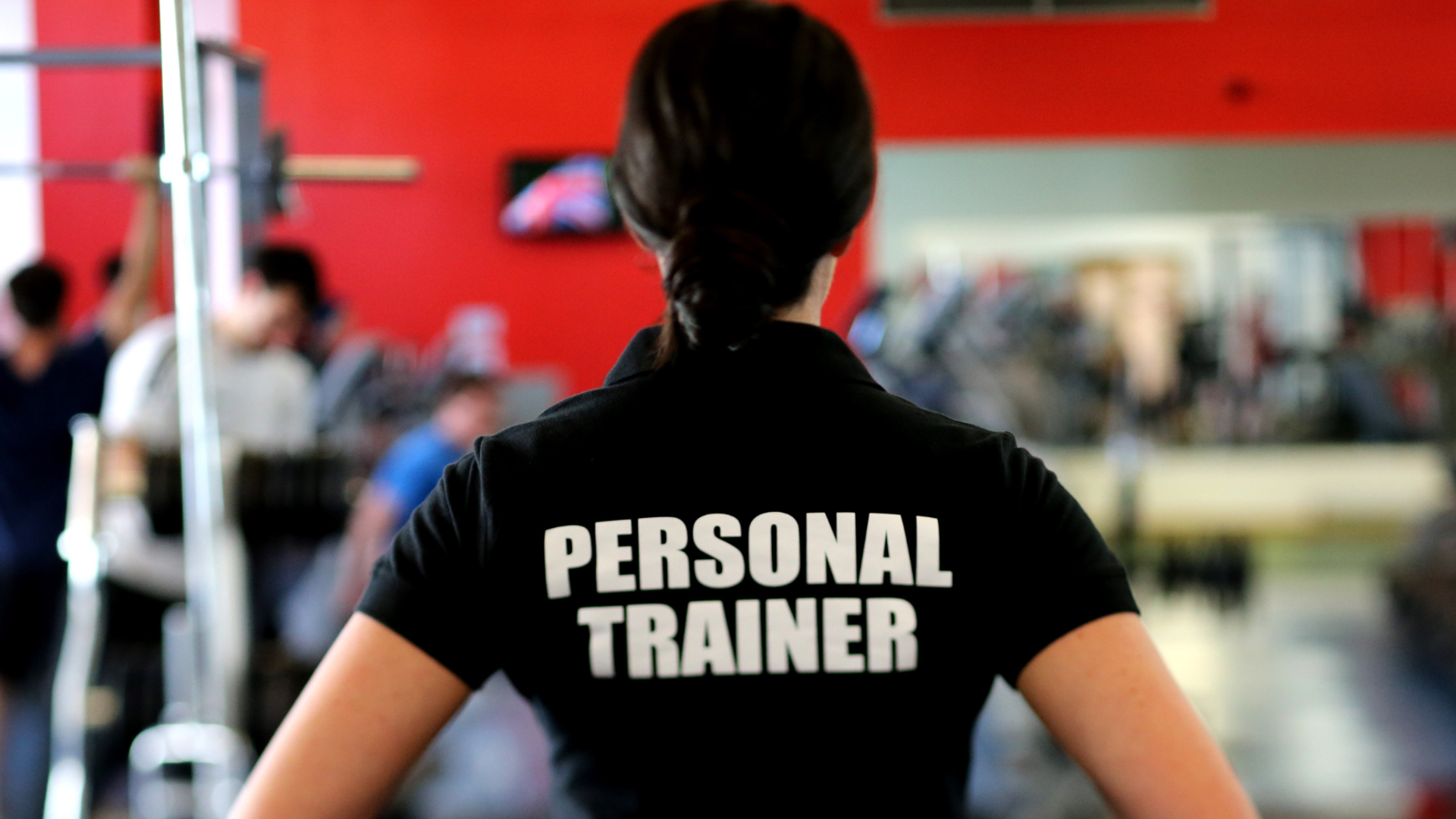
Your first few workouts can feel much easier with a coach who knows how to work with new exercisers. A trainer who works with beginners should be patient, explain things clearly, and change the plan when something is not working.
1. Choose a Trainer Who Coaches Beginners
Knowing a lot about fitness and knowing how to teach a beginner are different skills. An experienced athlete may understand a short instruction right away, but someone doing a squat for the first time may need a demo, a few tries, and another way of explaining it.
Look for a trainer who speaks in plain language and gives you time to get comfortable with each movement. They should show you what to do, watch your attempt, and explain it another way if something is not clicking.
You should never feel embarrassed because you need another demo or do not know the name of an exercise. A good personal trainer for beginners expects questions and gives you room to build confidence at your own pace.
2. Check the Trainer’s Qualifications
A friendly personality helps, but your coach also needs the right professional background. Ask what certification they hold, whether it is current, and how much experience they have with people who are new to exercise.
You can also ask about:
- CPR/AED certification
- Professional liability insurance
- Experience coaching new exercisers
- Experience related to your fitness goal
- How they assess new clients
- How they decide when to make an exercise harder
A trainer should also understand the limits of their role. They can build exercise programs, coach movement, and support fitness goals, but they should not diagnose an injury or medical condition.
Be cautious if a trainer claims they can explain the medical cause of ongoing pain or tells you to ignore advice from a healthcare professional.
3. Be Honest About Your Health
Your trainer needs accurate information before building your workouts. That includes your current activity level and any health concerns that could affect exercise.
Tell them about past injuries, current pain, major medical conditions, surgeries, balance problems, dizziness, or other symptoms that may affect training. Share any medical guidance that changes what activities are safe for you.
There is no need to hide an old knee problem because you are worried about looking out of shape. That information helps your trainer choose exercises that make more sense for you.
Not every healthy beginner needs medical clearance before starting basic exercise. Your health history, symptoms, current activity, and planned workout level can all affect that choice. Talk with a qualified healthcare professional if you have a condition or symptom that raises concerns about exercise.
4. You Do Not Need to Get Fit First
Waiting until you are fitter before hiring a trainer defeats much of the reason beginners hire one. A beginner-friendly coach should know how to meet you at your current level.
That could mean chair-assisted squats instead of weighted squats. You might start with short walks instead of running or use a wall push-up instead of going straight to the floor.
Those are not failed versions of the exercise. They give you a place to start and room to improve. As your strength and confidence grow, your trainer can make the movements harder.
Make Your First Workouts Manageable
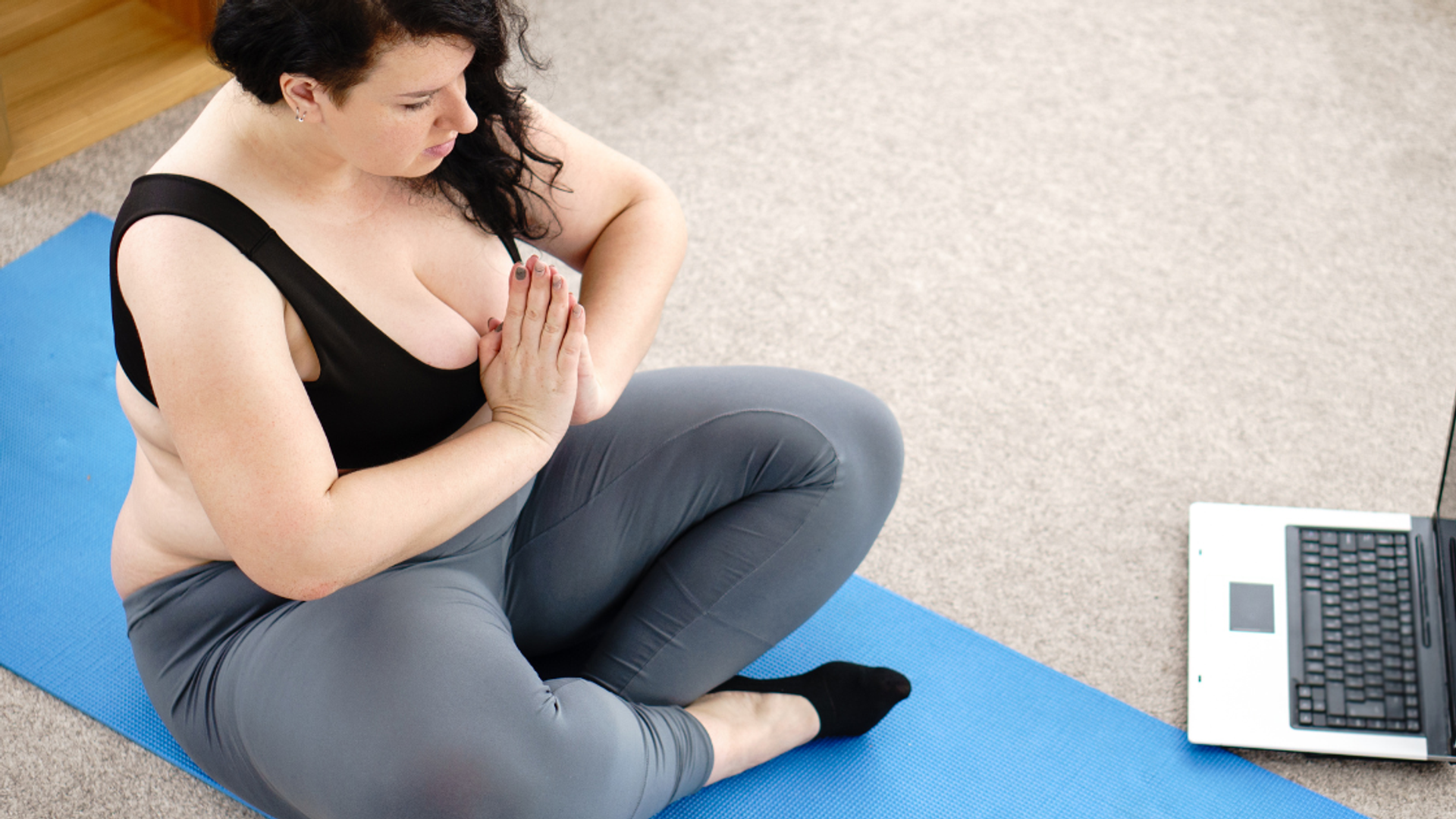
New exercisers sometimes assume personal training should feel hard right away. A better first step is to give your trainer useful information and give your body time to adjust.
5. Your First Session Should Not Be Your Hardest
Your first workout should help your trainer understand where you are starting. It should not feel like a fitness test you have to pass.
The session may include a conversation about your health, goals, and past activity. Your trainer may then watch a few basic movements and guide you through a manageable workout.
They could look at how you squat, hinge, push, pull, balance, brace your core, or move your shoulders. If a movement feels uncomfortable or difficult, that gives the trainer useful information they can use to change the exercise.
There will be plenty of time to add more challenge later. A manageable first session gives your trainer time to see how you move and how your body responds.
6. Practice Movement Before Adding Weight
Beginners often pay close attention to the number on the dumbbell. Early on, control is more useful than chasing a heavier weight.
You might practice a squat using your body weight before adding a dumbbell. A hip hinge may begin without extra resistance before you try a deadlift variation.
Every body moves a little differently, so your trainer should choose exercises and positions that fit your current ability. Once the movement feels more familiar, you have a better base for adding resistance.
7. Start Lighter Than You Think You Need
Your first week is not the time to find the heaviest weight you can lift. You are still finding out how your body reacts to training.
A manageable weight gives you room to focus on control, breathing, and how the movement feels. Your trainer can add resistance after seeing how you move and recover.
Starting lighter also gives you somewhere to go next. Your workouts should become more challenging as your fitness improves, but you do not need to rush that process.
8. Know the Difference Between Effort and Pain
Exercise can feel hard. Your muscles may burn during a challenging set, and your breathing may speed up during cardio. Those feelings can be normal during exercise.
Sharp or sudden pain is different. Unusual joint pain, chest discomfort, severe dizziness, faintness, or other worrying symptoms should be taken seriously.
Stop and tell your trainer if something feels wrong. Ongoing or unexplained pain should be checked by a qualified healthcare professional rather than diagnosed by a personal trainer.
Beginners may need some time to understand what normal exercise effort feels like. Ask your trainer when you are unsure instead of trying to push through everything.
9. Expect Some Soreness, but Do Not Chase It
Some muscle soreness can happen after your first few workouts because your body is dealing with a new type of activity. Feeling a little stiff the next day does not mean something went wrong.
Soreness is also not a score for workout quality. A session is not better because walking downstairs feels terrible the next morning.
Your program should challenge you enough to make progress and still leave you able to recover for your next workout. Tell your trainer how you felt after earlier sessions so they can adjust the plan when needed.
Very severe pain, major swelling, extreme weakness, dark urine, or other worrying symptoms need medical attention rather than being treated like normal post-workout soreness.
10. Do Not Train Through an Injury
A trainer should not tell you to push through pain when the cause is unknown. If you have a diagnosed injury, tell your trainer about any limits or advice given by your healthcare provider.
New pain may mean an exercise needs to stop or change. A trainer can make that adjustment, but they cannot diagnose what caused the pain.
Be careful with coaches who promise to “fix” injuries, make medical claims, or brush off ongoing pain. Fitness coaching and healthcare can work together, but they serve different roles.
Build Up One Step at a Time
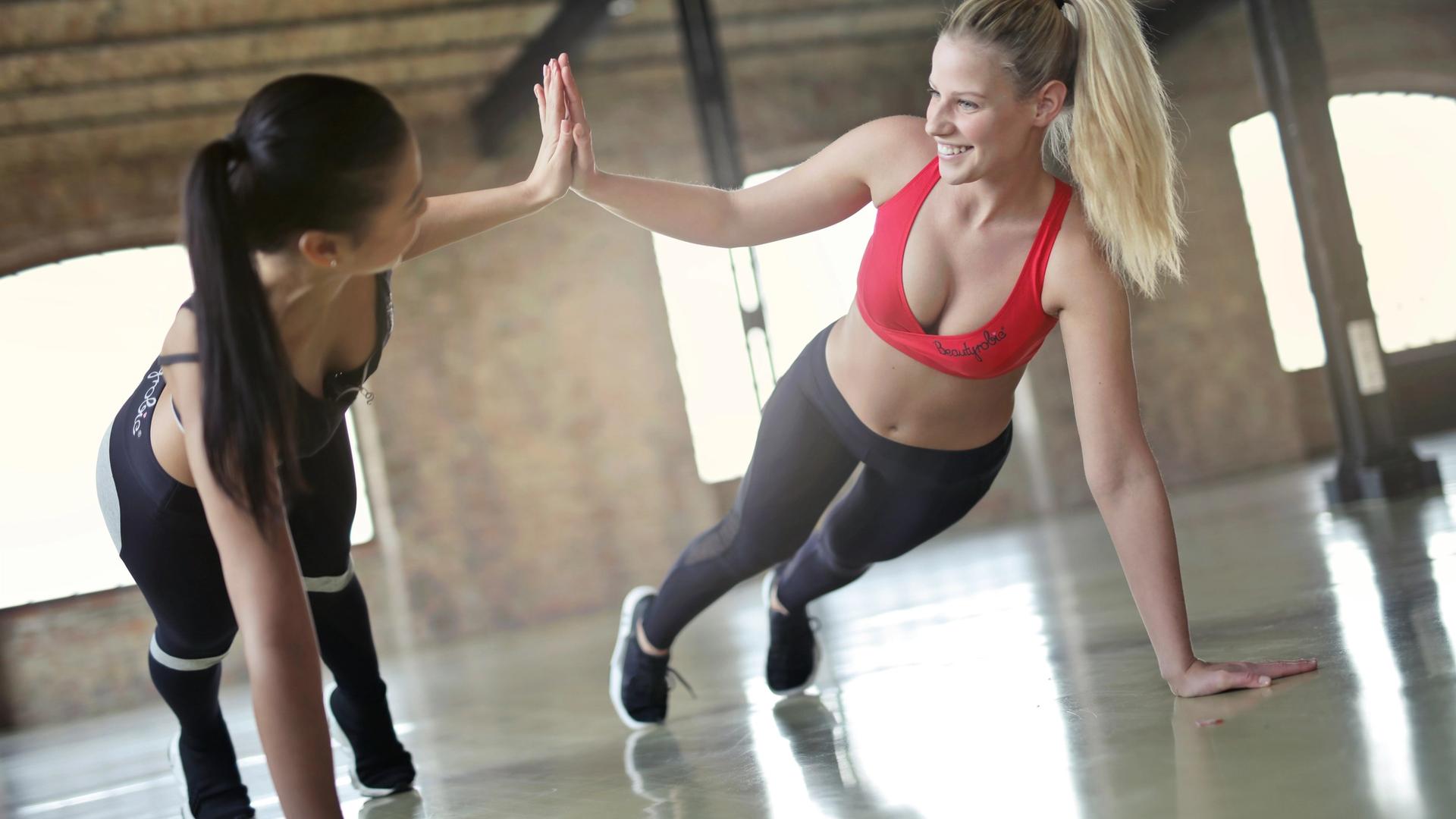
Once the basic exercises feel more familiar, your program should slowly become harder. Small changes give your body time to adapt and make it easier to see what is helping.
11. Do Not Increase Everything at Once
There are many ways to make a workout harder. You can:
- Add weight
- Do more reps
- Add another set
- Use a larger range of motion
- Try a harder exercise
- Take shorter rest periods
- Train more often
- Make the workout longer
A beginner does not need to change all of these at the same time. Suppose you start with two sets of eight controlled squats to a chair. Once those feel comfortable, you might add a few reps, use a slightly lower chair, or hold a light weight.
Changing one or two things at a time makes it easier for you and your trainer to see how your body responds.
12. Build a Routine You Can Recover From
A common beginner mistake is going from very little exercise to hard workouts every day. Feeling excited about starting is useful, but your body still needs rest between harder sessions.
Your schedule needs to be realistic too. A plan that takes over your whole week may feel exciting for a few days and exhausting soon after.
Some beginners may do well with two coached sessions each week. Others may start with one session plus walking or simple exercise on their own.
Your goals, current activity, schedule, recovery, and budget should help shape the plan. The best starting schedule is one you can keep following after the first burst of motivation wears off.
Start your Svetness journey today
Get a free consultation and see how our trainers can transform your wellness journey.
13. Practice a Few Basic Movements First
You do not need dozens of exercises during your first month. Many beginner programs can use a small group of basic movement patterns, such as:
- Squatting or sitting and standing
- Hip hinging
- Pushing
- Pulling
- Stepping or lunging
- Carrying
- Core stability
- Walking or another type of cardio
Your trainer can change the exercise to match your ability. A squat could begin with sitting down to a chair and standing back up. A push-up may start against a wall. A row could use a resistance band.
Starting with a smaller group of movements gives you more chances to practice instead of feeling like every workout is filled with something new.
14. Keep the Exercises Simple
An exercise does not need to look impressive to work. Complicated movements may look advanced, but that does not make them a better choice for someone starting out.
Simple exercises are easier to practice, repeat, track, and make harder over time. You also have more chances to notice your own progress when the basic movements stay in your program for a while.
Your trainer should be able to explain why each exercise is there. Our guide to how Svetness trainers build fitness plans explains how goals, ability, schedule, and progress can shape a personal program.
Get Better at Training for Yourself
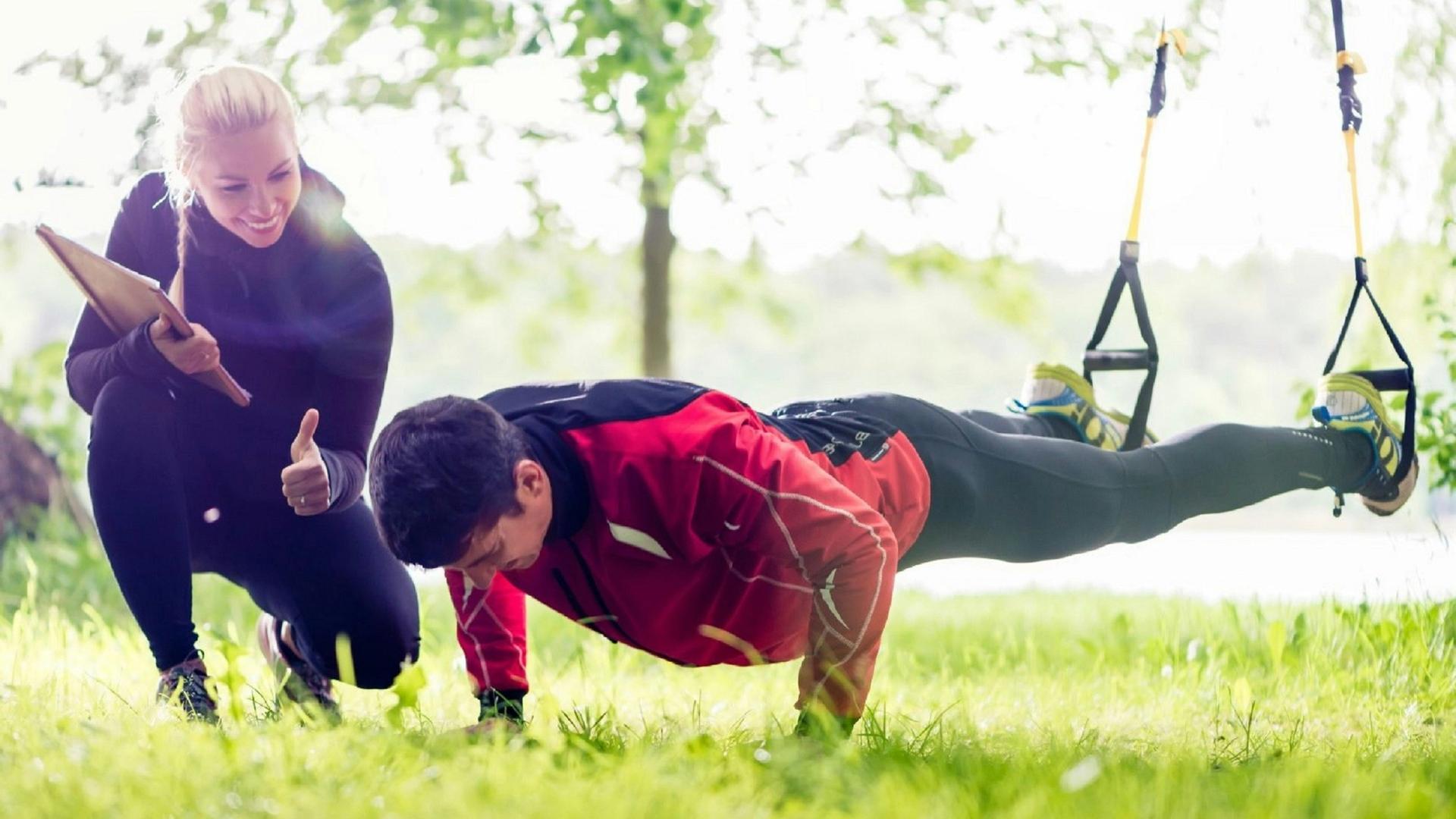
Your trainer can guide the process, but exercise should start to feel less confusing over time. You should slowly understand more about the movements, your effort, and what your program is trying to do.
15. Give Your Trainer Feedback
Your trainer can watch you move, but they cannot feel what you feel. Tell them if something hurts, feels strange, or does not make sense.
Mention it if a weight feels much harder than expected. Ask for another explanation if an instruction is confusing. If you feel dizzy or unwell, stop and say something.
Feedback is useful when things are going well too. If an exercise has started to feel easy, your trainer needs to know so they can decide if it is time for a change.
Keep talking to your trainer as you go. They can make better choices when they know how the workout feels for you.
16. Use Supervision While You Are Getting Started
Beginners have to get used to both the exercises and the level of effort. A trainer can help you judge whether a set is too easy, challenging enough, or more than you are ready for.
They can also watch how your form changes as you get tired. That can be useful when you are still getting familiar with a movement and may not notice those changes yourself.
A 2025 study compared 10 weeks of supervised, app-guided, and self-guided strength training. The supervised group completed more of its planned workouts than the other groups and had larger gains on one squat-strength measure.
All three groups gained strength, so the study does not mean beginners need direct supervision to make progress. For someone new to exercise, a trainer can still be useful for showing movements, answering questions, and adjusting the workout when needed.
For a beginner, the benefit is more straightforward. You have somebody there to show you the movement, watch what happens, answer questions, and change the workout when needed.
A personal trainer for beginners should make exercise feel easier to understand as you gain experience.
17. Track More Than the Scale
Body weight is only one way to measure change. Beginners can make plenty of progress without seeing a dramatic change on the scale.
You may also notice that you can:
- Do more reps
- Use more resistance
- Walk farther without stopping
- Move with better control
- Recover faster
- Complete a harder exercise
- Exercise more often
- Feel more confident training alone
Choose measures that connect to the reason you started. If getting stronger is your goal, tracking exercises, sets, reps, and weights may tell you more than weighing yourself every morning. If general fitness is the goal, your trainer may use other signs to see how you are doing.
18. Become More Confident on Your Own
It is normal to rely on your trainer more during your first few weeks. You are getting used to new exercises, equipment, and ideas.
As time goes on, more of it should start to feel familiar. You may begin to recognize exercises, set up equipment, understand what a workout is trying to do, and get a better feel for how challenging a set should be.
Ask why certain exercises are in your program. A good coach should be comfortable explaining their choices.
You may still want a trainer for accountability, planning, or support. Over time, you should also feel more confident training on your own. That is progress too.
What Should Your First Month Look Like?
There is no four-week plan that fits every beginner. A good first month usually starts with getting comfortable, followed by small challenges as you go.
During the first week, your trainer may spend more time asking questions, watching basic movements, and finding manageable starting weights.
Week two gives you another chance to practice. You do not need a completely different workout each time. Repeating a few movements can help them feel more natural.
During week three, your trainer may make small changes. You could use slightly more resistance, add a rep, or try a harder version of an exercise.
By week four, you have several sessions to look back on. You and your trainer can see what feels better, what still feels difficult, and what needs to change.
Progress does not need to be dramatic. If your movement is improving, the sessions feel less confusing, and you are showing up regularly, your first month is moving in a good direction.
Watch for These Trainer Red Flags
New exercisers may have a harder time judging the quality of a coach because they do not have much experience to compare it with. Knowing a few warning signs can help you spot poor coaching early.
Be cautious if a trainer:
- Does not ask about your health history
- Ignores current pain or past injuries
- Starts with a very hard workout without assessing you
- Refuses to change an exercise you cannot do safely
- Treats soreness as the main sign of a good workout
- Keeps adding weight when you are losing control
- Shames you for your current fitness level
- Promises guaranteed weight loss
- Claims to diagnose medical conditions
- Tells you to ignore worrying symptoms
- Cannot explain why an exercise is in your program
A workout can challenge you without making you feel unsafe, embarrassed, or ignored. You can also check what past clients say before choosing a coach.
Svetness personal trainer reviews can give you a better sense of how clients describe the coaching, support, and in-home training experience.
Why Beginners May Prefer Training at Home
For some people, starting at home can take some of the pressure out of those first few weeks. You do not have to walk into a crowded weight room or figure out a room full of unfamiliar machines.
You are also less likely to compare your starting point with someone who has trained for years. That can make it easier to focus on your own workout instead of what everyone around you is doing.
At Svetness, our certified trainers can come to your home and bring portable equipment for the session. Your workouts can be based on your current fitness, goals, space, and any equipment you already own.
You might start with a few simple strength movements in your living room instead of trying to figure out an entire gym at once.
Home training is not automatically safer than gym training. Good exercise choices, manageable weights, steady progress, and clear communication still count wherever you train.
Choosing a personal trainer for beginners who can work with you at home may simply give you a calmer place to get comfortable with exercise.
Build Confidence With a Personal Trainer for Beginners
Your first month with a trainer is not about proving how fit you are. You do not need to lift a certain amount of weight or keep up with someone who has exercised for years.
Focus on getting comfortable with the exercises and understanding what your body is telling you. Tell your trainer how the workouts feel, give yourself time to recover, and add more challenge as your ability improves.
If you have health concerns or worrying symptoms, get the right medical advice rather than asking a trainer to make a medical call.
A beginner program is heading in the right direction when exercise starts to feel more familiar. You understand more of the movements, have a better idea of what a sensible weight feels like, and feel more confident walking into your next workout.
If you want a personal trainer for beginners who can meet you at home and build a program around your starting point, we can help match you with a certified coach.
Book Your Free Svetness Consultation
FAQs
Should a beginner get a personal trainer?
You do not need a trainer to start exercising. A coach can be useful if you want help choosing exercises, improving your form, planning workouts, or staying consistent. Look for someone who has experience working with new exercisers.
Do I need medical clearance before starting?
Not every healthy beginner needs medical clearance simply because they are new to exercise. Your health history, symptoms, current activity, and planned workout level can affect that choice. Speak with a healthcare professional if you have a known condition or worrying symptoms.
How often should a beginner see a trainer?
There is no single schedule that works for everyone. Two sessions per week can give some beginners regular practice with recovery time between workouts. Other people may start with one session or need more support.
Should my first training session be hard?
It does not need to be. Your first session may include questions, basic movement checks, and a manageable workout. Your trainer needs time to see how you move and respond before adding more challenge.
How heavy should a beginner lift?
Start with resistance that lets you complete the exercise with reasonable control. Your trainer can raise the weight as the movement feels more familiar and your strength improves.
Start your Svetness journey today
Get a free consultation and see how our trainers can transform your wellness journey.