Executive Health: Why High-Performers Need a Different Kind of Fitness Plan

Executive health can suffer under plans built for burnout. The right fitness strategy protects energy, focus, travel recovery, and longevity.
Executive health requires a different kind of planning because high-pressure work takes a real toll on the body. Long meetings, constant decision-making, frequent travel, short sleep, client dinners, desk time, and digital overload all affect energy, posture, recovery, and stress. A demanding role can make fitness feel urgent, but it can also make the wrong plan harder to survive.
An executive wellness program should not treat senior leaders like people with unlimited recovery capacity. Many executives already live with elevated stress and compressed schedules. Adding random high-intensity workouts, extreme dieting, or a gym routine that requires extra travel can create another drain rather than a useful support system.
A better plan should protect performance. It should help leaders build strength, improve mobility, manage stress, support sleep, and stay consistent during travel-heavy or meeting-heavy weeks. The goal is not to turn fitness into another pressure point. The goal is to make physical health part of sustainable leadership.
Start your Svetness journey today
Get a free consultation and see how our trainers can transform your wellness journey.
What High-Performers Need From a Fitness Plan
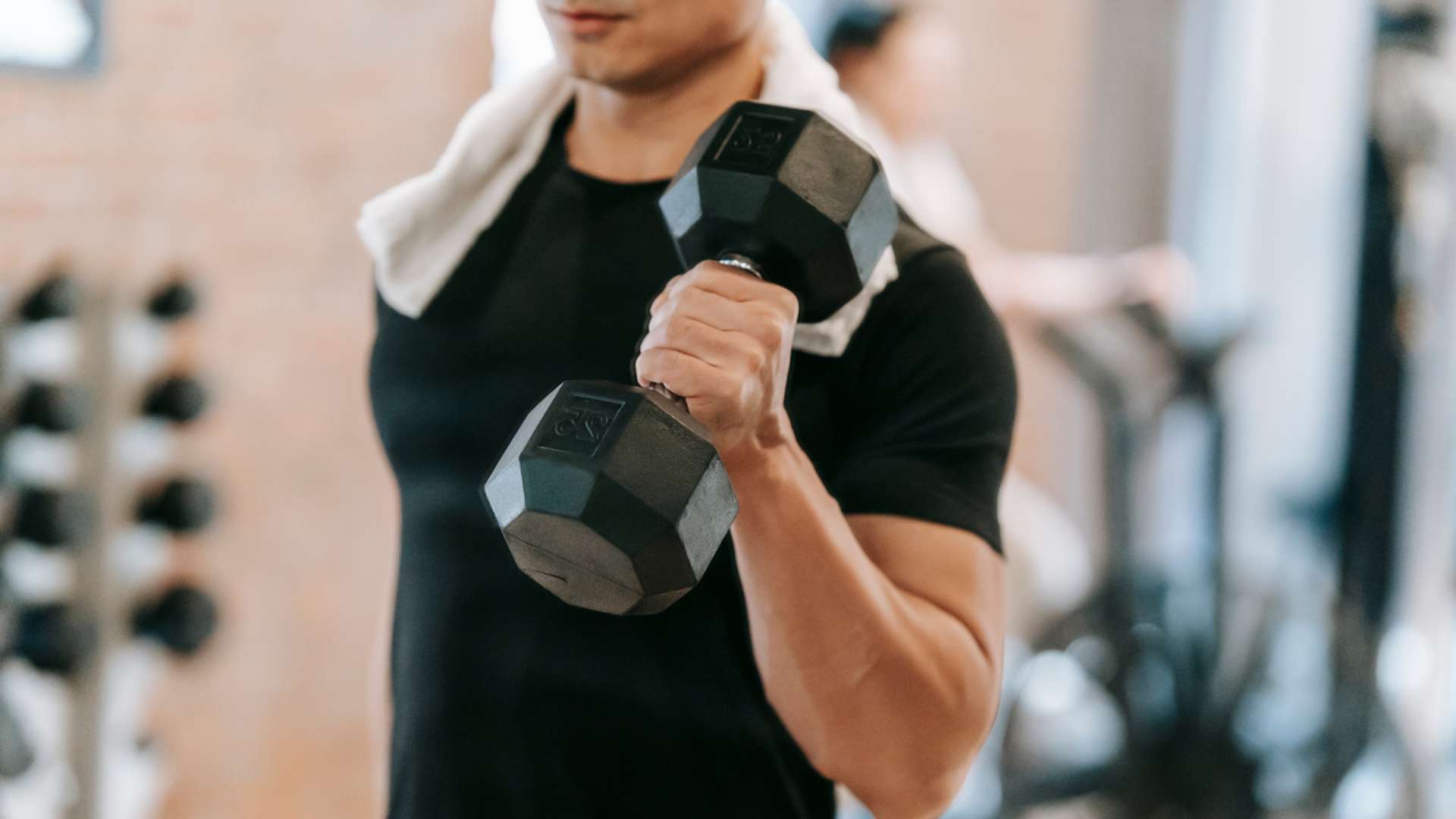
A stronger executive fitness plan should support performance without adding more strain to an already demanding week.
- It should adapt to travel, sleep, stress, and calendar pressure.
- It should include strength, mobility, conditioning, and recovery.
- It should address desk posture, back discomfort, and tight hips.
- It should make nutrition more practical during busy days.
- It should protect consistency when work intensity rises.
- It should feel realistic enough to keep long-term.
The right plan helps executives train with purpose instead of treating every workout like another test of willpower.
Why Executive Health Can Break Down Under Generic Plans
Many high-performers approach fitness with the same intensity they bring to work. They wake early, sign up for demanding classes, cut calories aggressively, and measure success by how exhausted they feel afterward.
That approach can work briefly, but it often fails when the workweek becomes heavier. A leader who is sleeping five hours, flying across time zones, and spending long days in meetings may not recover well from repeated high-intensity sessions.
Generic plans also miss the physical patterns that come with executive life. Prolonged sitting can tighten the hips and weaken the glutes. Laptop work can round the shoulders. Long flights can leave the body stiff and dehydrated. Stress can affect sleep, appetite, and motivation.
A better executive health plan should account for those patterns. It should use exercise to build capacity, not drain the reserves a leader needs to think clearly, communicate well, and recover between demanding days.
How an Executive Wellness Program Should Be Built

An executive wellness program should start with context. The trainer needs to understand the leader’s schedule, travel frequency, sleep patterns, stress load, current fitness level, injury history, and health goals.
A strong plan may include strength training to protect muscle and posture, mobility work to counter long hours of sitting, conditioning to support stamina, and recovery-focused sessions when the body needs a lower-stress approach.
The plan should also be flexible. A heavy strength session may make sense after a good night of sleep and a normal workday. A mobility and core session may be smarter after a late flight, poor sleep, or a stressful week.
This is where custom workout plans matter. Executives need programming that changes with their workload, goals, and recovery, rather than a fixed routine that ignores what the body is dealing with.
Why In-Home Training Fits Executive Schedules
Time is often the biggest barrier for executives. A gym session may look simple on a calendar, but the real time cost includes travel, parking, changing, waiting for equipment, training, showering, and getting back to the next commitment.
In-home training removes much of that friction. The trainer comes to the executive’s home, private gym, office fitness space, hotel gym, or another suitable setting. The session can begin on time and stay focused.
Privacy also matters. Executives may prefer a training environment without distractions, interruptions, or public attention. A private session gives the coach room to assess movement, correct form, and adjust the plan without a crowded gym floor shaping the workout.
This model also makes accountability easier. The session is scheduled, the trainer arrives, and the plan is ready. During packed weeks, that structure can be the difference between maintaining fitness and losing momentum completely.
Start your Svetness journey today
Get a free consultation and see how our trainers can transform your wellness journey.
Fitness for Travel, Meetings, and Recovery

Executive travel can disrupt every healthy routine. Flights affect sleep, hydration, movement, and meal timing. Hotel gyms vary widely. Business dinners can make nutrition harder to manage. Long meeting days can leave the body stiff and the mind drained.
A useful fitness plan should prepare for that reality. The trainer can build travel workouts using bodyweight exercises, resistance bands, mobility drills, and short strength circuits. They can also help plan lighter sessions after red-eye flights or heavier days when recovery is better.
Nutrition support should be practical. Executives may need strategies for protein intake, hydration, alcohol moderation, travel snacks, business meals, and late dinners. The plan should help them make better decisions in imperfect situations.
Svetness has also discussed how modern personal training is adapting around hectic schedules, remote routines, and broader wellness needs. That kind of flexible support matters for executives whose weeks rarely look the same twice.
Training for Focus, Energy, and Longevity
Executive health is not only about avoiding weight gain or looking fit. A good plan should support clearer thinking, steadier energy, and the ability to handle pressure over many years.
Strength training can help protect muscle, joints, and posture. Conditioning can support stamina. Mobility can help the body feel less locked up after flights and desk time. Recovery work can help reduce the feeling of always being switched on.
A plan built around longevity should also avoid the boom-and-bust cycle. Some executives train extremely hard for a few weeks, then disappear from fitness when work becomes intense. A better plan includes a minimum useful routine for the busiest periods.
That might mean shorter sessions, lower-intensity movement, walking, mobility, or two focused workouts per week until the schedule opens again. Maintaining the habit matters. Fitness should be able to scale down without vanishing.
What Leaders Should Look For in a Coach
The right coach for an executive should be more than energetic. They should be organized, discreet, punctual, and able to adjust quickly.
Ask how they build plans around travel and inconsistent schedules. Ask how they adapt workouts when sleep is poor or stress is high. Ask how they handle old injuries, posture issues, and mobility restrictions.
Credentials matter too. Look for recognized certification, insurance, and experience with busy professionals. A coach working with executives should understand that the session has to be efficient, private, and purposeful.
Communication style is also important. The trainer should be direct without being careless, supportive without being vague, and confident without overpromising. A good coach should help the executive make better decisions, not add noise to an already full day.
Build an Executive Wellness Program With Svetness
Executive health improves when fitness supports leadership rather than competing with it. The right plan can help high-performers build strength, protect energy, improve recovery, and stay consistent even when work pressure rises.
Svetness provides an executive wellness program approach through corporate wellness and private training support, helping leaders train in a way that fits their schedule, goals, travel demands, and recovery needs.
Book Your Free Svetness Consultation
FAQs
What is executive health?
Executive health refers to the physical, mental, and lifestyle support senior leaders need to maintain energy, focus, resilience, and long-term performance under demanding work conditions.
Why do generic fitness plans fail executives?
Generic plans often ignore travel, sleep, stress, desk posture, business meals, and unpredictable schedules. Executives usually need flexible programming that adapts to workload and recovery.
Can in-home training work for executives who travel often?
Yes. A trainer can support home sessions, office sessions, travel workouts, hotel-gym options, and lower-intensity recovery days when flights or long meetings affect energy.
What should an executive fitness plan include?
It should include strength, mobility, conditioning, recovery, nutrition support, posture work, and schedule flexibility. The plan should match the executive’s role and daily demands.
How often should executives train?
Many executives do well with two to three focused sessions per week, supported by walking, mobility, and recovery work. During very busy weeks, shorter maintenance sessions can keep the habit alive.
Start your Svetness journey today
Get a free consultation and see how our trainers can transform your wellness journey.