Executive Fitness: The Training Habits of People Who Run Companies

Executive fitness works best when it protects focus, energy, and recovery instead of adding another high-pressure demand to the week.
Executive fitness looks different when the goal is long-term performance, not a short burst of intensity. People who run companies often carry heavy decision-making loads, packed calendars, travel demands, client events, and constant pressure. A fitness routine should support that reality instead of adding another source of stress to the week.
An executive fitness program should help leaders train with structure, privacy, and flexibility. The plan needs to protect energy, improve mobility, support recovery, and fit around the demands of leadership. That does not mean every workout must be easy. It means each session should have a purpose beyond exhaustion.
Many high-performers already understand discipline. The harder part is building a routine that can survive travel, late meetings, poor sleep, and urgent decisions. The best executive fitness habits are not built around punishment. They are built around consistency, expert guidance, and smart adjustments that help the body stay ready for the next challenge.
Start your Svetness journey today
Get a free consultation and see how our trainers can transform your wellness journey.
How High-Performers Train Without Burning Out
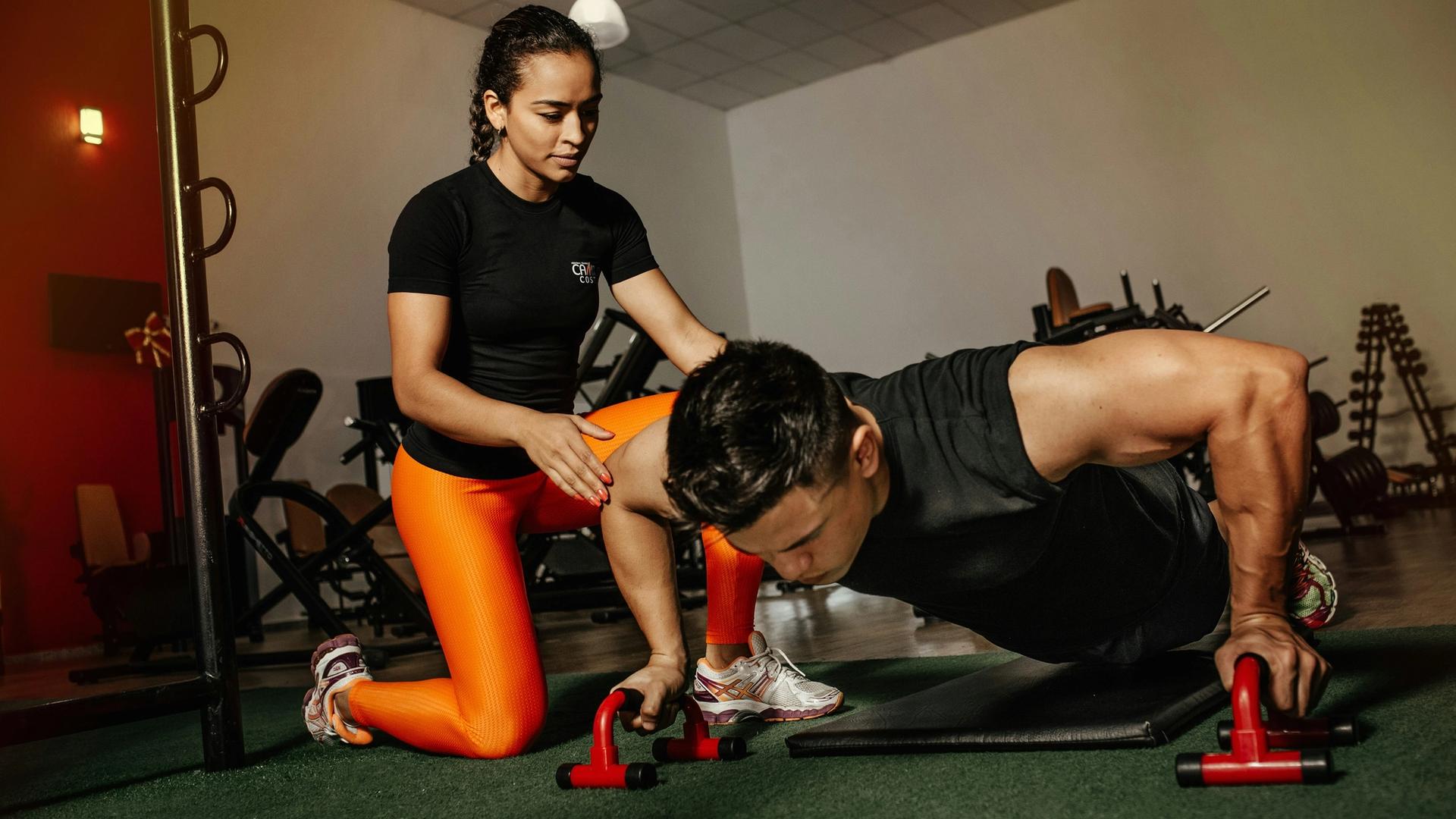
A strong routine for leaders should reduce friction and support the body that carries the work.
- Training should be scheduled before the week gets crowded.
- The plan should include strength, mobility, conditioning, and recovery.
- Sessions should adapt to sleep, stress, travel, and workload.
- Workouts should support focus and energy, not drain them.
- Nutrition and hydration should be practical during busy days.
- Accountability should make consistency easier to maintain.
The most useful routine is the one a leader can repeat through normal weeks and pressure-heavy weeks.
Why Executive Fitness Needs a Smarter Plan
Executive fitness should not copy the average gym routine. A leader who spends the day in meetings, flights, strategy calls, and high-pressure decisions has different recovery needs than someone with a lighter schedule.
Many busy professionals try to solve health concerns by going harder. They sign up for intense early-morning classes, slash calories, and measure progress by how sore they feel. That approach can backfire when stress and sleep debt are already high.
A better plan uses training as support. Strength work can protect posture and muscle. Mobility can reduce stiffness from sitting and travel. Conditioning can build stamina without wrecking the rest of the day. Recovery work can help the body downshift after intense weeks.
The goal is not to prove toughness. The goal is to build the physical foundation needed to lead with steadier energy and clearer thinking.
Habit 1 - Removing Fitness Decisions

Decision fatigue is real for leaders. By the end of a demanding day, the last thing many executives want is another choice. Which gym should they visit? What workout should they do? How hard should they push? What should they change if the plan feels wrong?
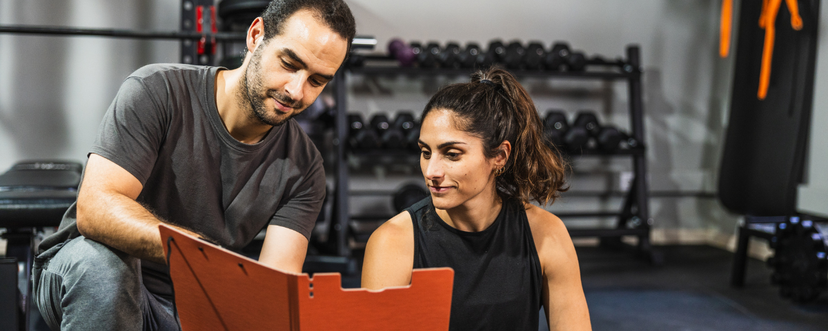
Successful leaders often remove those decisions by working with a coach. The workout becomes a scheduled appointment, and the plan is already built. That saves mental energy and makes the routine easier to keep.
A trainer also adjusts the session based on the person in front of them. If the executive slept well and feels strong, the session may focus on strength. If travel or stress has taken a toll, the trainer may move toward mobility, core work, or moderate conditioning.
That flexibility is where coaching becomes valuable. The leader does not have to guess. The session is guided by someone who understands the goal and the current state of the body.
Start your Svetness journey today
Get a free consultation and see how our trainers can transform your wellness journey.
Habit 2 - Prioritizing Mobility and Posture
Leadership work often creates predictable physical patterns. Long meetings, laptop work, flights, and phone calls can tighten the hips, stiffen the spine, round the shoulders, and leave the neck and back feeling tense.
A smart executive routine addresses those patterns directly. Mobility and posture work should not be treated as optional extras. They help the body move better and reduce the stiffness that can build across long workdays.
This may include hip mobility, upper-back strengthening, glute activation, controlled core work, shoulder stability, and breathing drills. These pieces may look less dramatic than a hard circuit, but they can make a major difference in how a leader feels during the day.
The best plans build strength on top of better movement. Loading poor movement patterns can create problems. Improving the pattern first helps training feel more useful and sustainable.
Habit 3 - Using Short Sessions Well
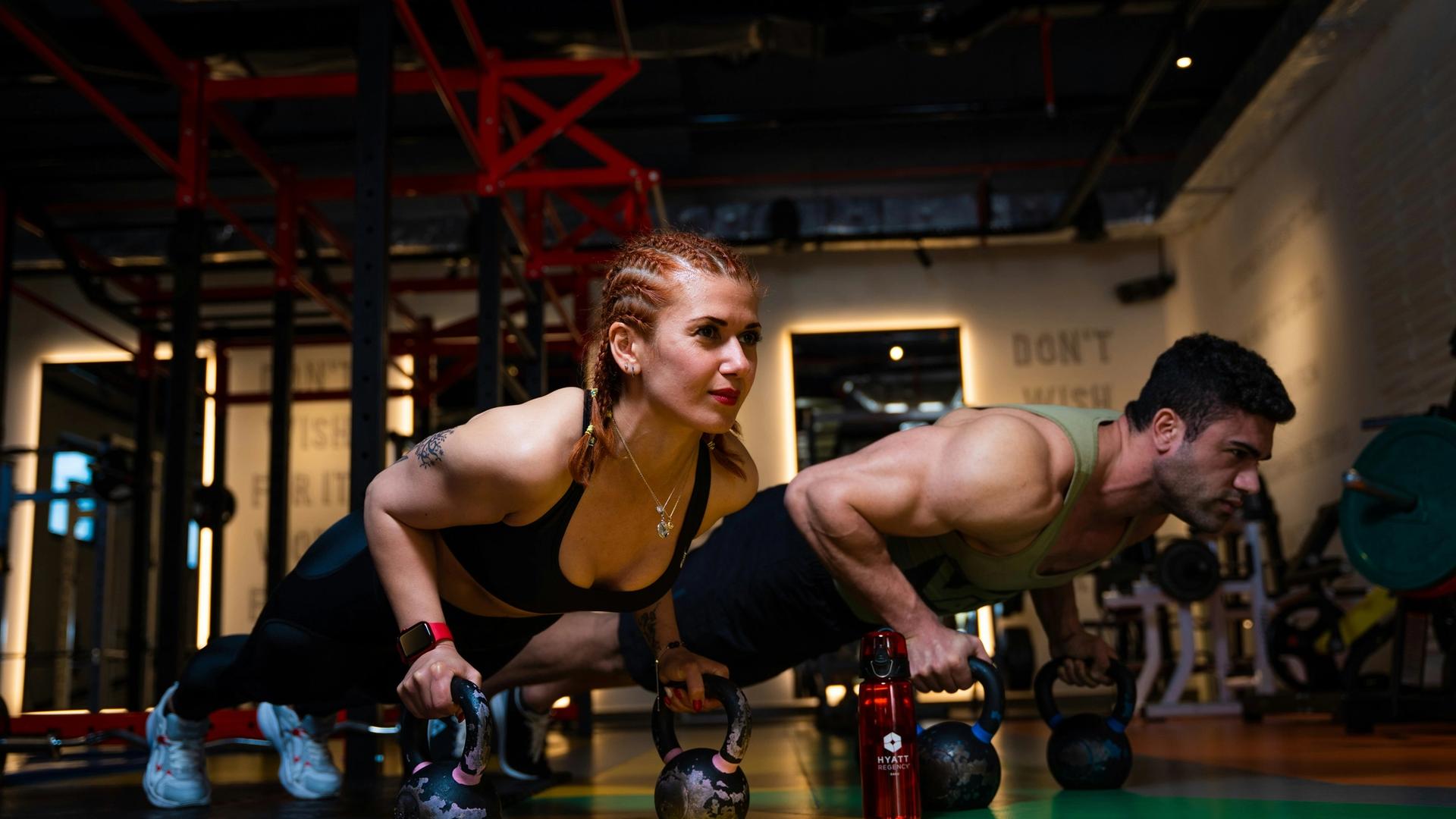
Executives do not always have a full hour. A strong plan should include shorter options for the weeks when the calendar gets packed.
Short workouts can still support strength, stamina, mobility, and focus when they are planned well. The key is choosing exercises that fit the available time and match the body’s needs that day. A 20-minute session can be useful if it is clear, focused, and repeated consistently.
Svetness has practical ideas for quick workouts for busy professionals, which fit the way many leaders need to think about movement. The routine does not have to disappear because the day is crowded.
Shorter sessions can also protect the habit. During intense business periods, the goal may be maintenance rather than personal records. Keeping the routine alive makes it easier to build back up when the schedule opens.
Habit 4 - Training for Focus and Energy
Exercise can support mental performance, but the intensity has to be managed well. A workout that leaves a leader exhausted before a board meeting may not be the right choice for that day.
Moderate strength training, mobility work, steady conditioning, and carefully placed harder sessions can all support energy. The best mix changes based on stress, sleep, travel, and the demands of the week.
A coach should pay attention to how the executive feels after training, not only what happens during the session. If the person finishes clearer, more mobile, and more energized, the plan is doing its job. If every session creates fatigue that spills into work, the structure needs to change.
Executive fitness should support the workday, not compete with it.

Travel can break routines quickly. Hotel gyms vary, flights disrupt sleep, business meals affect nutrition, and time zones can make normal training times unrealistic.
A smart plan prepares for this. A trainer can create hotel-room workouts, resistance-band sessions, mobility routines, and short maintenance plans for travel weeks. The workout should match the setting instead of relying on perfect equipment.
Nutrition planning matters too. Leaders may need simple strategies for protein, hydration, alcohol, late dinners, airport food, and long meeting days. The goal is not perfection. The goal is fewer poor decisions when the schedule gets difficult.
Modern personal training continues to adapt around travel, home routines, and flexible support. Svetness has covered how personal training is evolving around real schedules, which is especially relevant for leaders whose work rarely follows a simple pattern.
Habit 6 - Using Coaching to Stay Consistent
Executives are often accountable to boards, investors, employees, clients, and partners. Personal health can still slip because it has fewer immediate deadlines.
A coach creates a different kind of accountability. Someone is expected at a set time. The session is planned. Progress is tracked. The decision to train is no longer left to whatever energy remains after the workday.
This does not mean the trainer should push without judgment. A good coach knows how to challenge and adapt. They can tell when the executive needs more effort and when the better choice is to protect recovery.
The most effective accountability feels professional, not performative. It helps leaders stay consistent without turning fitness into another stressful scoreboard.
Build an Executive Fitness Program With Svetness
Executive fitness should help leaders protect energy, strength, mobility, and focus through demanding seasons. The right plan can support performance without adding another chaotic task to the calendar.
Svetness provides an executive fitness program approach through corporate wellness and private training support, helping high-performers train around their schedules, travel demands, recovery needs, and long-term goals.
Book Your Free Svetness Consultation
FAQs
What is executive fitness?
Executive fitness is a training approach built around the demands of leadership. It supports strength, mobility, energy, recovery, travel, stress management, and long-term performance.
Why do executives need a different fitness plan?
Executives often deal with packed schedules, high stress, travel, business meals, and long periods of sitting. A generic plan may ignore those demands and become hard to maintain.
How often should executives train?
Many executives do well with two to three focused sessions per week, supported by mobility, walking, and shorter maintenance sessions during busy periods.
Can executive fitness work with frequent travel?
Yes. A trainer can create travel workouts, hotel-room routines, mobility plans, and flexible scheduling so training can continue without a perfect gym setup.
What matters most in an executive trainer?
Look for certification, discretion, punctuality, strong communication, experience with busy professionals, and the ability to adapt sessions around stress, sleep, travel, and recovery.
Start your Svetness journey today
Get a free consultation and see how our trainers can transform your wellness journey.