Personal Trainer for Seniors at Home

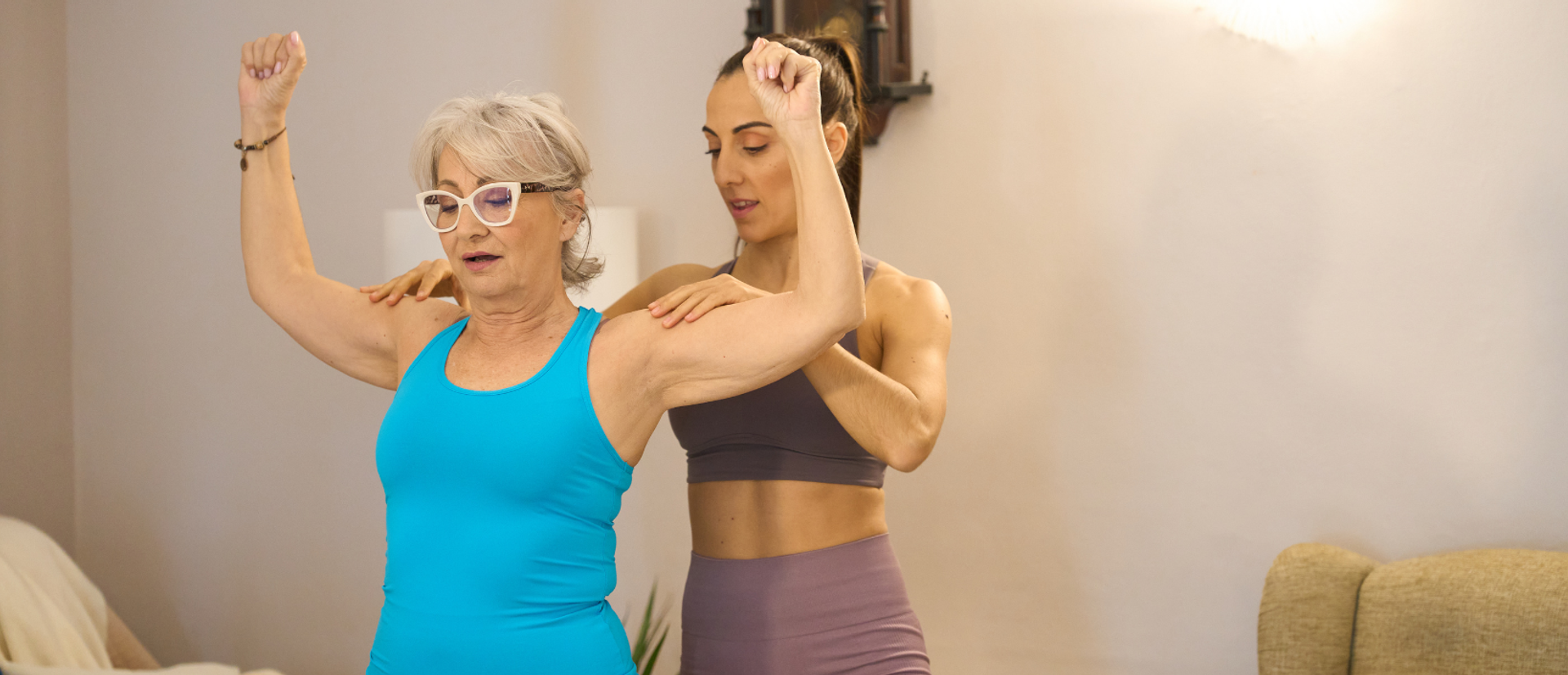
A personal trainer for seniors can help you or a loved one build strength, balance, and confidence at home. Svetness offers personal training for seniors at home.
A personal trainer for seniors can support much more than exercise. For many older adults, fitness is tied to independence, confidence, and the ability to keep doing everyday tasks safely. Getting out of a chair, climbing stairs, carrying groceries, stepping over a rug, or getting up from the floor can all become harder when strength, balance, and mobility start to decline.
Robert, 72, came to Svetness after tripping on a rug in his living room. He was not badly hurt, but he struggled to get back up, and the experience frightened him. His daughter suggested a trainer, but Robert resisted. “I do not belong in a gym with a bunch of 20-year-olds lifting heavy weights. I will embarrass myself or get hurt,” he told us.
We matched Robert with a Svetness trainer who specialized in senior fitness. His trainer came to his home, reviewed his mobility, and built a plan around balance, leg strength, floor recovery, and safer movement in his own space. Within three months, Robert felt steadier, stronger, and less afraid of losing independence at home.
Start your Svetness journey today
Get a free consultation and see how our trainers can transform your wellness journey.
Tips for Senior Fitness at Home
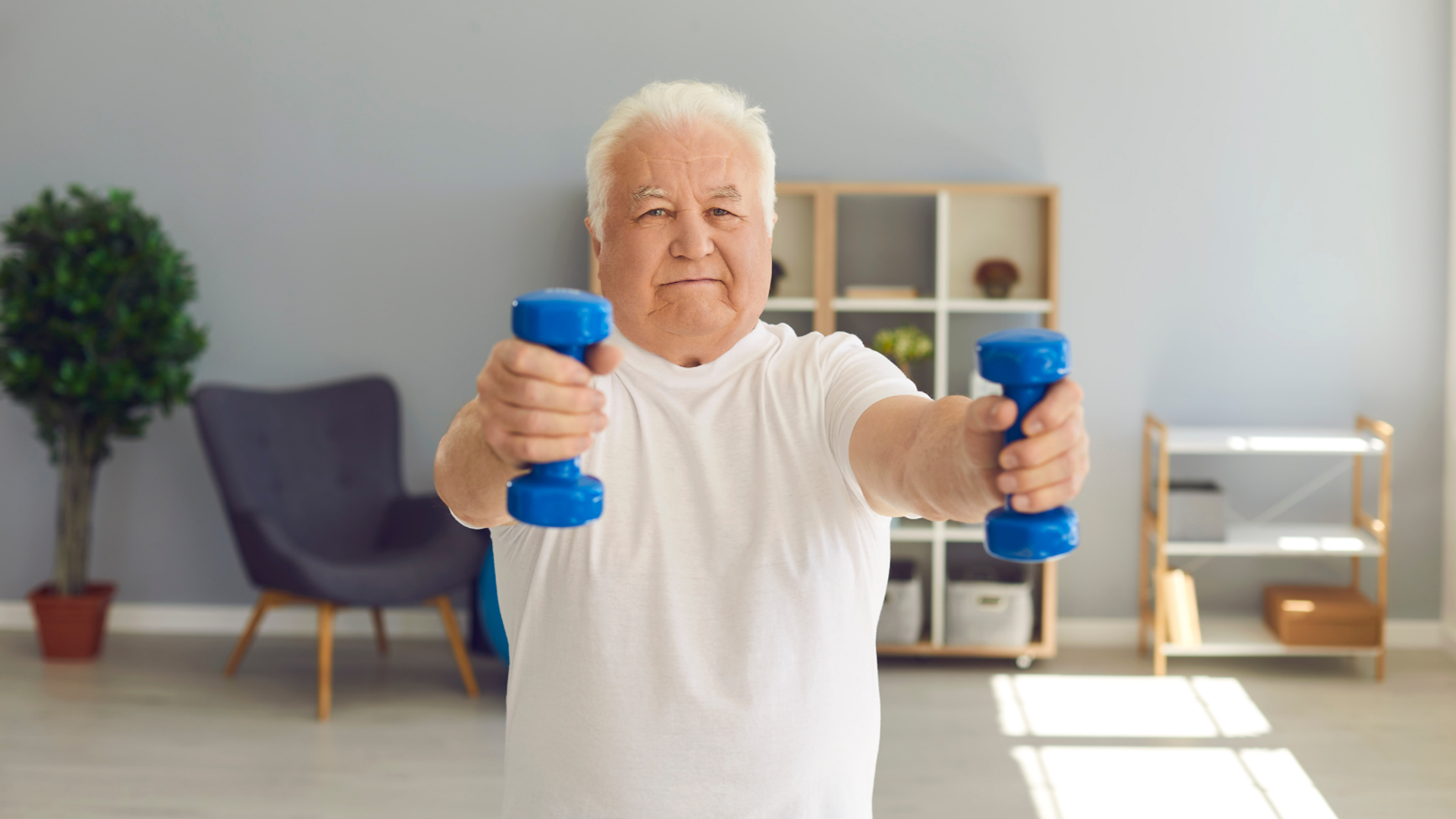
Senior fitness should focus on safe movement, everyday strength, balance, and confidence.
- Training should be adapted to the person’s mobility, medical history, and comfort level.
- Balance work can help reduce fear around trips and falls.
- Strength training can make chairs, stairs, groceries, and daily movement easier.
- Mobility work can support joints, posture, and range of motion.
- Home training removes the pressure of crowded gyms.
- A trainer should work patiently and respect the client’s pace.
The right plan should help older adults feel more capable in daily life, not exhausted or overwhelmed.
What a Personal Trainer for Seniors Should Focus On
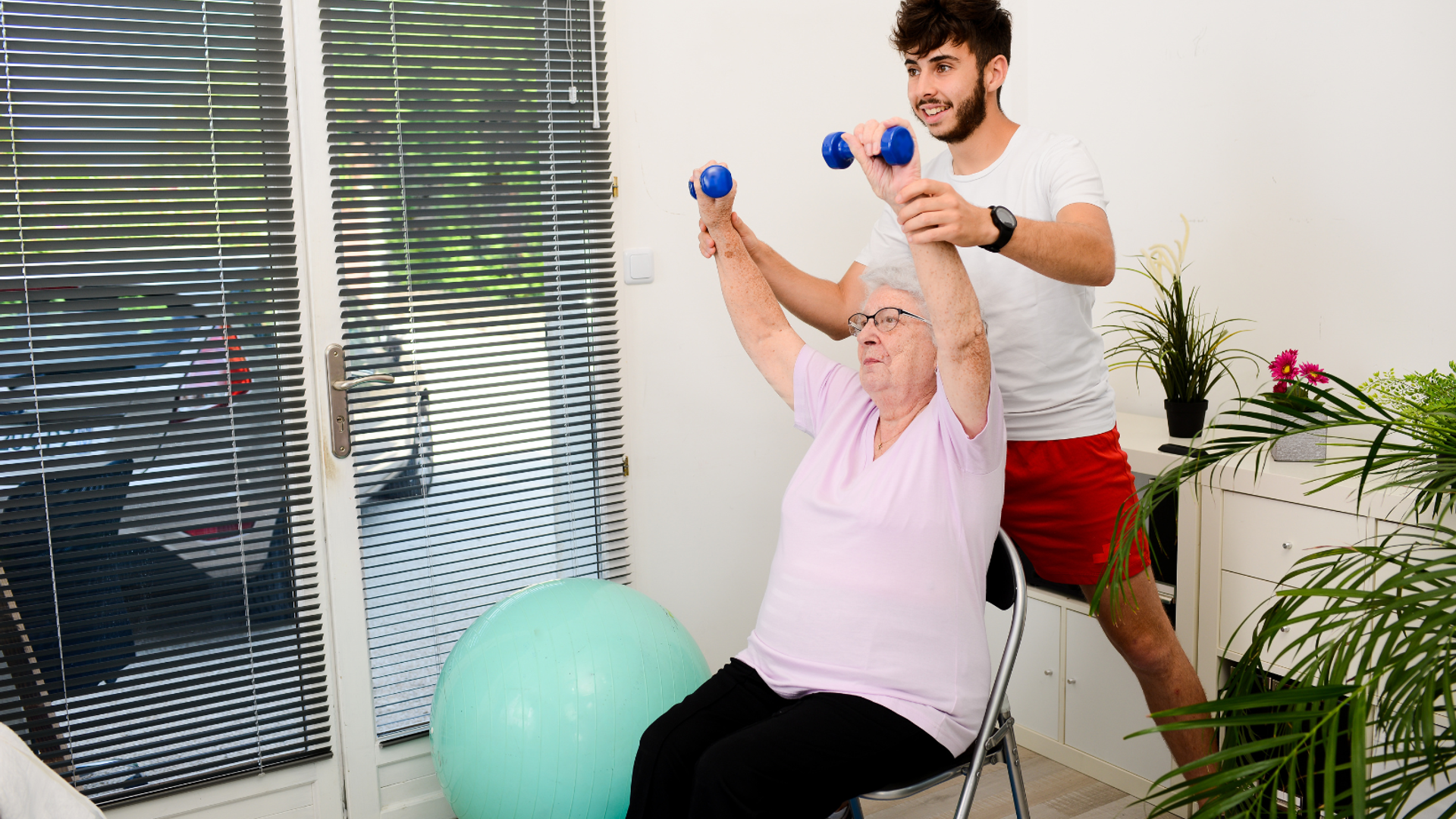
A personal trainer for seniors should understand that the goal is not punishment, speed, or extreme workouts. The goal is safer movement, stronger daily function, and a plan that respects the body’s current ability.
Balance and Fall Confidence
Falls are a major concern for older adults and their families. Training can include simple balance drills, stepping practice, core work, and exercises that improve body awareness.
Robert’s trainer included movements that related to his home. They practiced stepping over low objects, standing from a chair, and controlling his balance during slow changes of direction. These exercises helped him feel more prepared for real situations.
Functional Strength
Functional strength means training for the movements used every day. That may include standing up from a chair, carrying laundry, reaching into a cabinet, or walking with better control.
A trainer may use sit-to-stands, supported squats, light resistance exercises, step-ups, wall push-ups, or grip-strength work. The exercises should feel purposeful and manageable.
Mobility and Joint Support
Stiff joints can make normal movement harder. A senior fitness plan may include gentle mobility for the hips, ankles, shoulders, and spine.
The goal is not to force deep stretches. It is to help the body move with more comfort and control.
Why Home Training Can Feel Safer for Older Adults
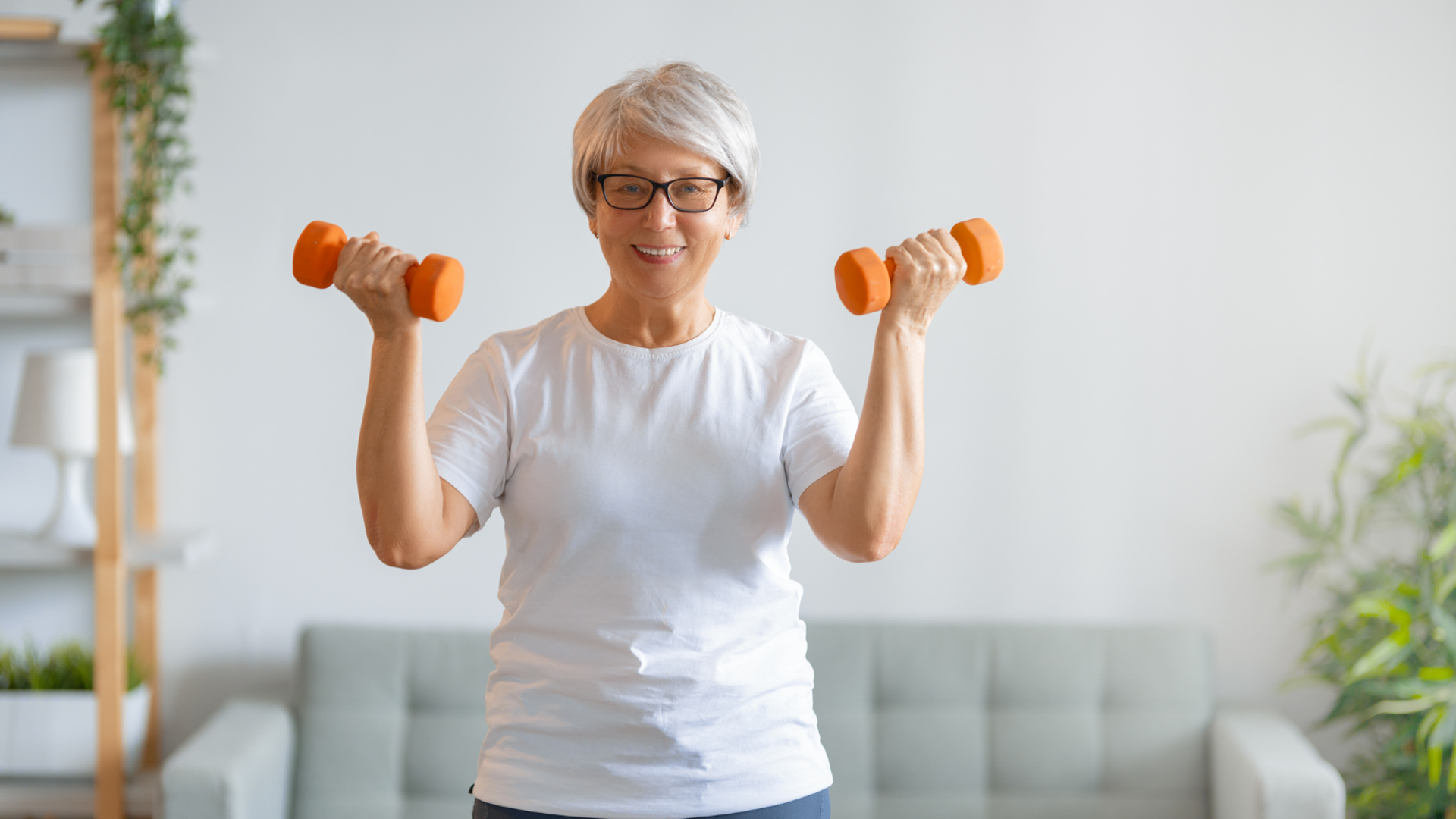
A gym can be useful for some people, but it may not feel welcoming or practical for every older adult. Loud spaces, unfamiliar equipment, busy locker rooms, and younger crowds can make training feel stressful.
The Home Shows Real Movement Needs
Training at home lets the trainer see the environment the client uses every day. Stairs, rugs, chairs, narrow hallways, and flooring all matter.
A trainer may notice that a chair is too low, a rug creates a trip risk, or a common walking path needs more care. These observations can help shape the exercises in a practical way.
Travel Is No Longer a Barrier
Transportation can make fitness harder as people get older. Driving, parking, rides, weather, and fatigue can all affect whether a session happens.
Svetness senior fitness training brings coaching to the home, which can make the routine easier to keep. The client can train in a familiar setting with one-on-one guidance.
Privacy Supports Dignity
Many seniors worry about feeling slow, unsteady, or embarrassed in public fitness spaces. Home training lets them practice movements without an audience.
That privacy can make it easier to ask questions, pause when needed, and build confidence gradually.
Start your Svetness journey today
Get a free consultation and see how our trainers can transform your wellness journey.
What Families Should Look For in a Trainer
Adult children often help an aging parent choose a trainer. The right trainer should bring patience, relevant experience, and a clear respect for the older adult’s independence.
Senior Fitness Experience
A trainer working with older adults should understand age-related changes in strength, balance, mobility, and recovery. They should know how to adapt exercises for arthritis, joint replacement history, osteoporosis concerns, or general deconditioning.
A personal trainer for seniors should never make the client feel rushed or pushed beyond safe limits.
Medical Awareness
A trainer is not a doctor or physical therapist, but they should be comfortable working alongside medical guidance. If a client has a chronic condition, recent surgery, dizziness, pain, or a major health concern, medical clearance may be needed before training.
A good trainer welcomes that information and uses it to plan more responsibly.
Patience and Communication
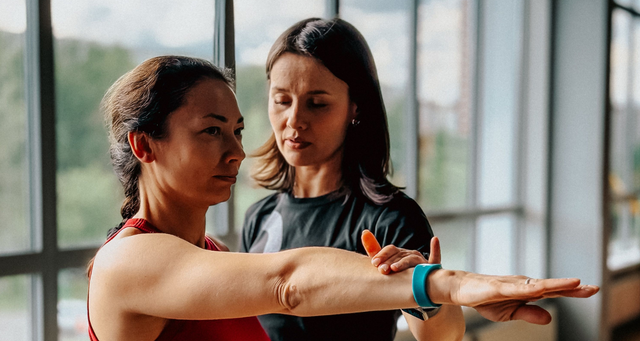
Senior fitness requires clear instruction and calm coaching. The trainer should explain each movement, demonstrate when useful, and check in often.
Families should look for someone who treats the client with dignity. The older adult should feel included in decisions, not managed from the outside.
Exercise Supports Confidence Beyond Strength
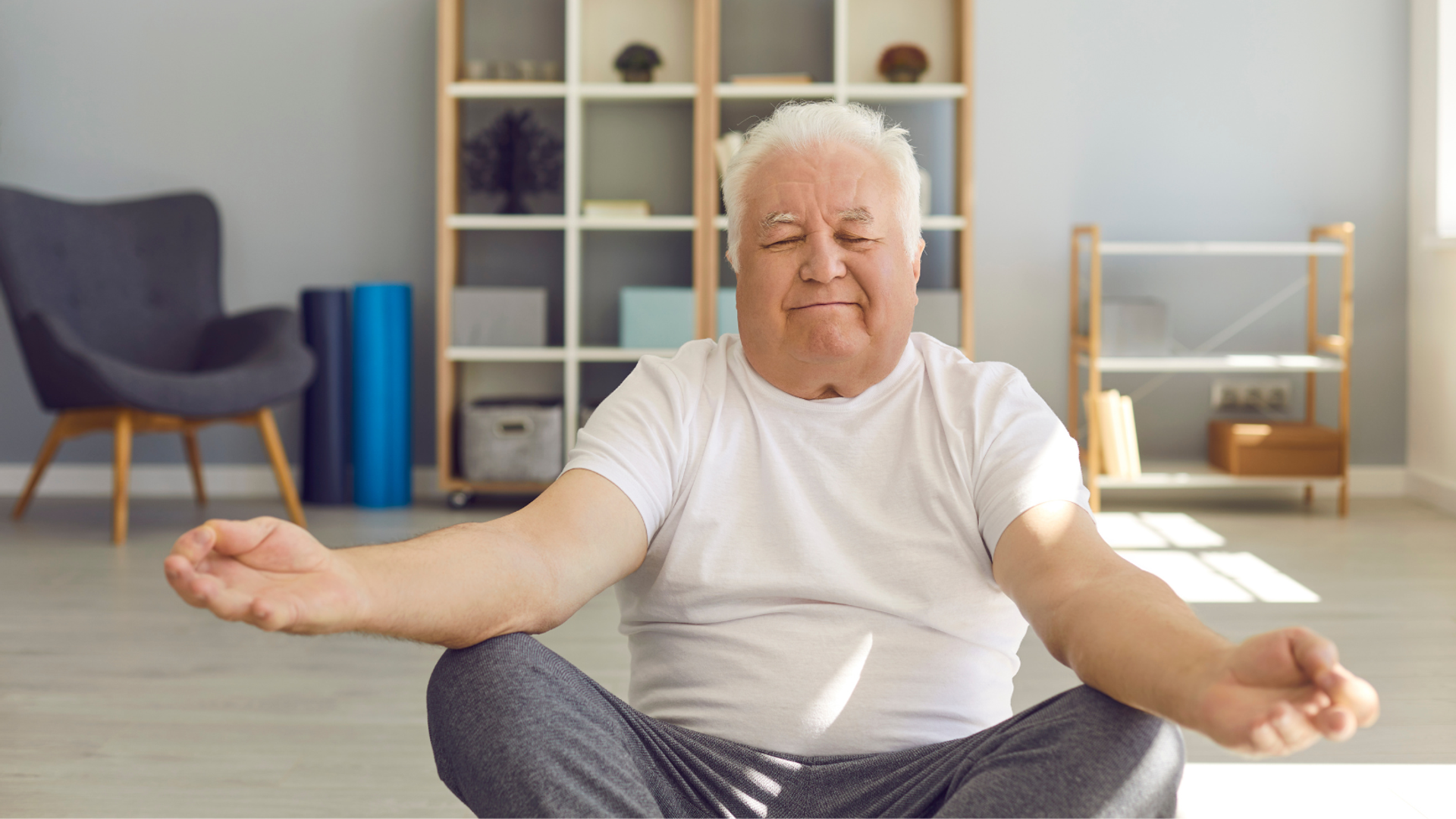
The benefits of senior fitness are physical, but they often reach daily confidence too. Feeling steadier can change how someone moves through the home, visits family, or returns to activities they have been avoiding.
Less Fear Around Daily Tasks
After a fall or near-fall, some older adults begin moving less. They may avoid stairs, stop going outside as often, or hold back from normal tasks.
Safe strength and balance work can help rebuild trust in the body. Robert did not become fearless overnight, but each week gave him proof that he could move with more control.
A More Positive Routine
A trainer can also become a steady, encouraging presence. For seniors who live alone or have limited social time, regular sessions can add structure and connection to the week.
That relationship should stay professional, but it can still feel meaningful. Someone is showing up, paying attention, and helping the client work toward a goal that matters.
How Svetness Supports Senior Fitness at Home

Svetness senior fitness training is built around safe, one-on-one coaching for older adults who want to improve strength, mobility, balance, and confidence.
Training Starts With the Person
A trainer should look at the client’s goals, comfort level, medical background, movement ability, and home setup before building the plan. The first sessions may focus on simple movement checks and gentle exercises.
Clients who want broader one-on-one support can also use Svetness personal training to build strength, confidence, and long-term fitness at home.
The Plan Can Grow Gradually
Progress may mean standing from a chair with more ease, walking with better balance, lifting light weights, or feeling less nervous after a near fall.
A personal trainer for seniors should build progress carefully. The client should feel challenged, but never dismissed, rushed, or made to feel weak for needing adjustments.
Build Strength and Confidence at Home With Svetness
Senior fitness should protect independence, dignity, and confidence. Robert’s progress came from a plan that matched his real needs: getting stronger, feeling steadier, and moving through his home with less fear.
Svetness can match you or your loved one with a trainer who understands senior fitness, respects comfort levels, and builds safe progress at home.
Book Your Free Svetness Consultation
FAQs
Is strength training safe for older adults?
Yes, strength training can be safe and helpful when it is supervised and adapted to the person’s ability. The plan should account for medical history, mobility, balance, and recovery.
Should a senior ask a doctor before starting training?
Many older adults should check with their doctor before starting a new exercise plan, especially if they have chronic conditions, recent surgery, dizziness, chest pain, or a long period of inactivity.
Can a trainer help with balance?
Yes. A qualified trainer can include balance drills, leg strengthening, core work, and stepping practice to help improve stability and confidence.
What if my parent uses a cane or walker?
Training can still be adapted. A trainer may use seated exercises, supported standing work, gentle strength training, and balance practice that respects the client’s current mobility.
Does senior fitness require special equipment?
No. Many sessions can use a chair, light weights, resistance bands, bodyweight movements, and safe household space. Equipment can be added slowly if useful.
Start your Svetness journey today
Get a free consultation and see how our trainers can transform your wellness journey.