Personal Trainer San Francisco: What You Actually Pay For

Svetness covers what you actually pay for with a personal trainer in San Francisco, including coaching, planning, privacy, and support.
Hiring a personal trainer in San Francisco is not the same as buying one hour of exercise. You are paying for the coaching, planning, safety checks, accountability, convenience, and personal attention that make the hour useful. That matters in a city where time, travel, schedules, hills, apartment space, and work pressure can all affect how often you train.
A personal trainer in San Francisco clients can rely on should do more than count reps. The right trainer should understand your goals, assess your movement, adapt exercises to your body, and build a plan that can progress without leaving you guessing. That is where the value of professional coaching becomes clearer.
Price matters, but value matters more. A lower price may not feel like a good deal if the plan is generic, the trainer is hard to reach, or the routine does not fit your week. A stronger coaching setup should help you train safely, stay consistent, and understand why the work matters.
Start your Svetness journey today
Get a free consultation and see how our trainers can transform your wellness journey.
What You Pay For With a Personal Trainer San Francisco Program
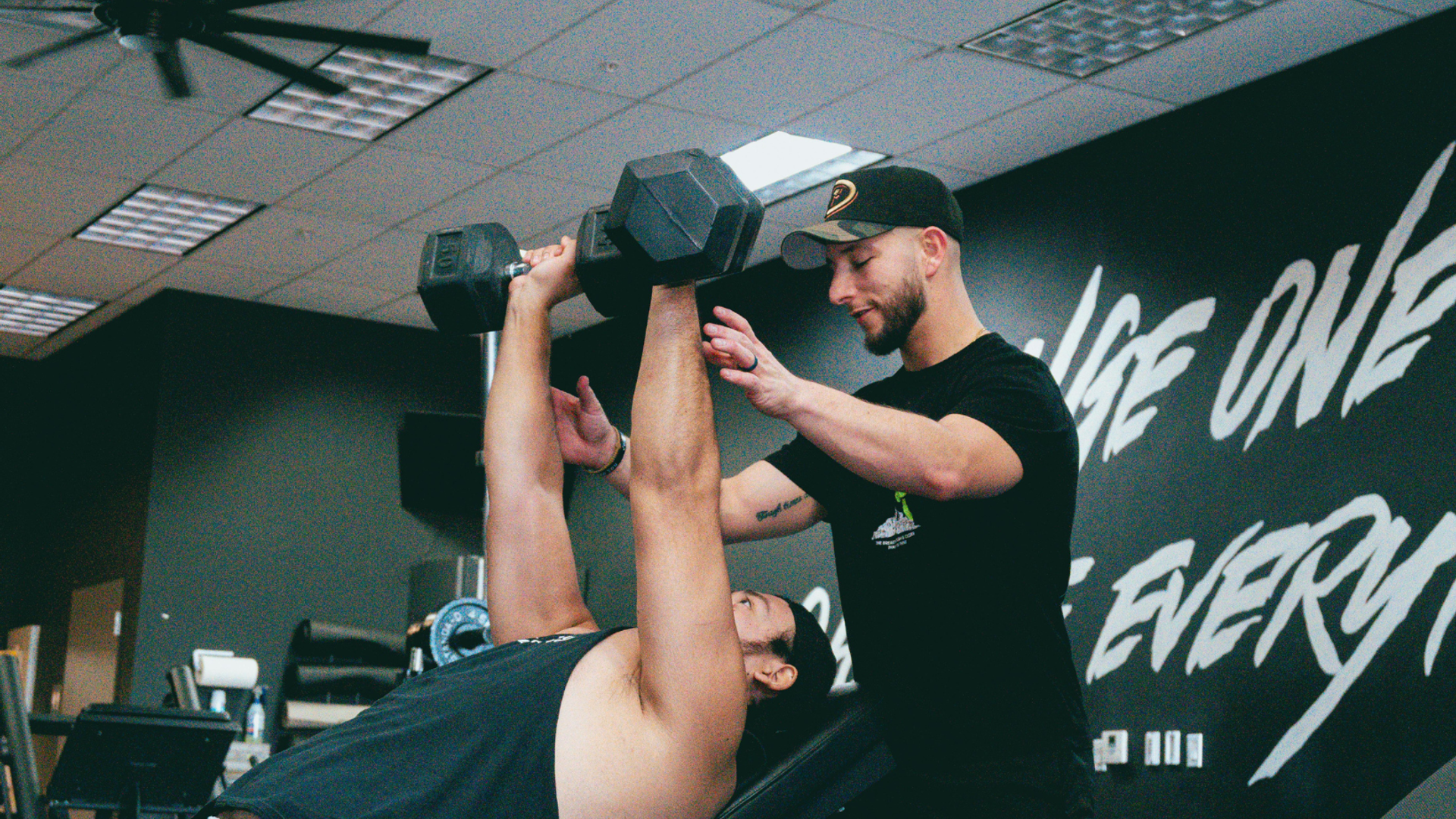
A personal training fee should include more than the time you spend exercising in front of a coach.
- Assessment of your goals, health history, movement, and limitations.
- A plan that fits your schedule, space, and current ability.
- Coaching during each session so your form and effort stay on track.
- Progression over time, not random workouts every week.
- Accountability that helps you keep showing up.
- Adjustments when your energy, stress, pain, or schedule changes.
The value comes from the full support around the session, not only the workout itself.
Why Trainer Expertise Matters
Trainer expertise is one of the biggest parts of what you pay for. A qualified coach understands anatomy, movement, exercise selection, progression, and safety. They know how to adjust when something feels wrong and how to build challenge without rushing the process.
Credentials should be part of your decision. Look for current certification from a reputable fitness organization, CPR/AED training, and professional standards around safety and communication. Experience also matters, especially if you have old injuries, mobility limits, strength goals, or a long break from exercise behind you.
A good trainer should be able to explain the plan in plain language. You should know why an exercise is included, what it should feel like, and how it connects to your goal.
That kind of coaching saves you from guesswork. Instead of copying workouts online, you get a plan built around the person standing in the room: you.
Why Planning Happens Outside the Session
A strong training session usually reflects work your trainer has done before they arrive. Program design takes thought. The coach needs to consider your goals, recent performance, movement quality, recovery, available equipment, and what should come next.
This planning helps your workouts build on each other. One week should not feel unrelated to the next. If you are working toward strength, mobility, weight loss, endurance, or better energy, the plan needs a clear direction.
Our breakdown of personal training cost looks at what can affect pricing, including session frequency, session length, location, and package structure.
Planning also helps protect you from doing too much too soon. A trainer can increase weight, reps, tempo, range of motion, or complexity when your body is ready. They can also pull back when stress, sleep, pain, or fatigue calls for a smarter session.
Why Convenience Has Real Value in San Francisco
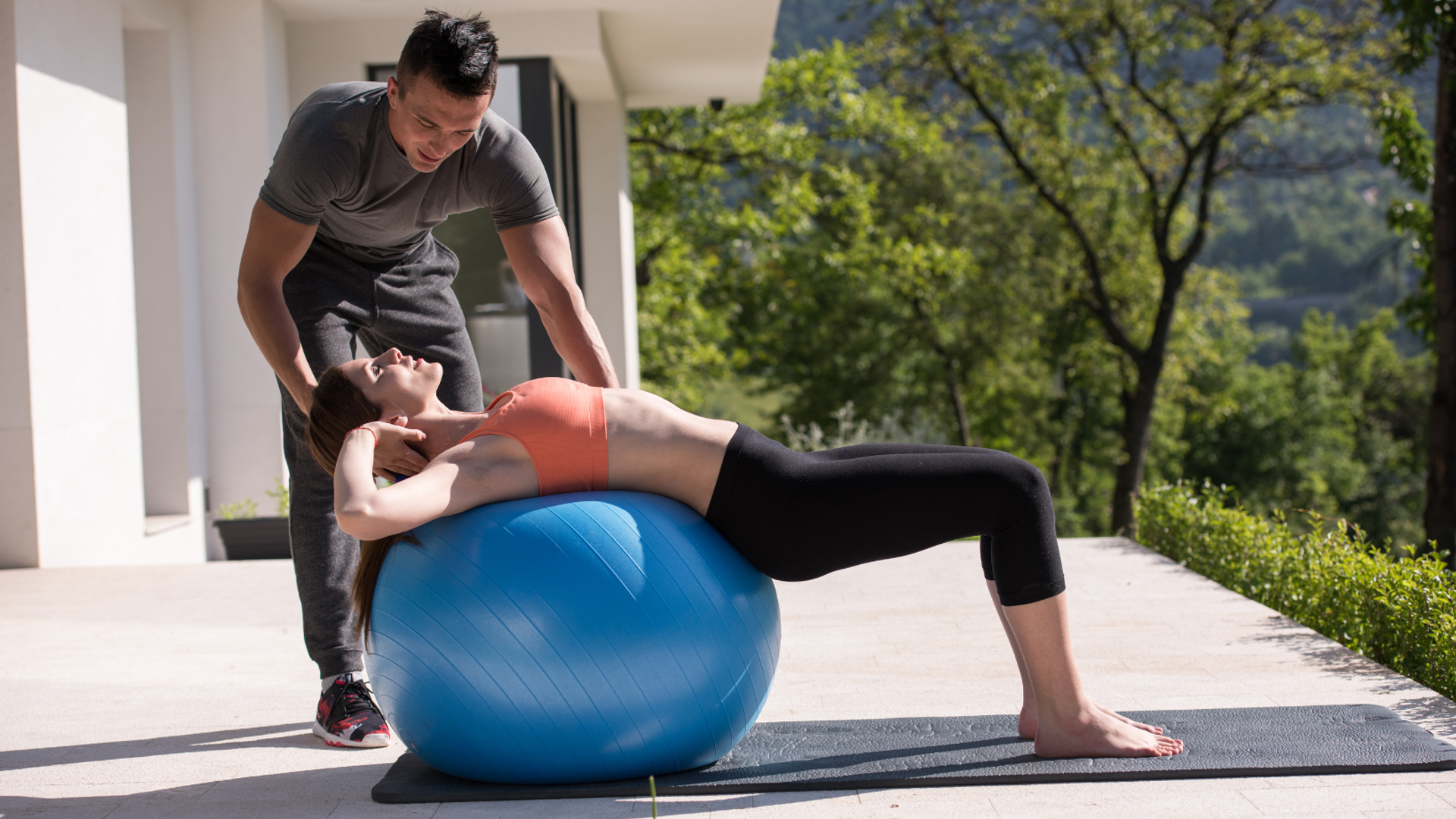
San Francisco can make fitness logistics harder than expected. A short trip across town can take longer than planned. Parking can be limited. Gym crowds can slow the session down. Small apartments can make home workouts feel tricky without the right plan.
In-home personal training gives convenience a real role in the value. Your trainer comes to your home, apartment gym, outdoor space, building fitness room, or another suitable location. That removes commute time and makes the session easier to fit into a busy week.
Convenience affects consistency. If getting to a workout takes too much effort, it becomes easier to skip. When the trainer comes to you, the barrier is lower, and the routine feels more realistic.
That does not mean every client needs in-home training. Some people enjoy gyms. The point is to compare value honestly. The best option is the one you will use often enough to get results.
What Private Coaching Adds
Private coaching gives you focused attention. Your trainer can watch your form, listen to your feedback, and adjust the session without competing with gym noise or equipment waits.
That is especially useful for beginners, people returning after time away, older adults, and anyone working around pain or past injuries. You can ask questions without feeling rushed. You can practice new movements without feeling watched by a crowded room.
Private training can also make sessions more efficient. If you only have an hour, you do not want to spend part of it waiting for a machine or trying to find open space. The time should go toward coaching, movement, and progress.
Our article on whether private fitness coaching is worth the cost can help you compare the value of privacy, accountability, and personal support against lower-touch options.
Start your Svetness journey today
Get a free consultation and see how our trainers can transform your wellness journey.
How Accountability Changes the Investment
Many people know exercise is useful. The harder part is keeping the routine going when work gets busy, energy drops, or motivation fades.
A trainer adds structure. You have a scheduled appointment, a plan for the session, and someone paying attention to your progress. That can make the difference between thinking about exercise and actually doing it.
Accountability should not feel harsh or performative. A good trainer helps you stay honest while still respecting your life. Some weeks may call for a harder session. Some weeks may call for maintenance, mobility, or lower-intensity work.
The value is in staying connected to the routine over time. Missed weeks often cost more than people realize because they restart the cycle of guilt, soreness, and lost momentum. A coach helps keep the thread from breaking.
How Progress Tracking Protects Your Money

You should not have to wonder whether your training is working. A good coach tracks progress in ways that match your goals.
That might include strength numbers, mobility, balance, endurance, body measurements, pain-free movement, energy, consistency, or how daily tasks feel. The right metrics should help you see change without reducing the whole program to a scale number.
Tracking also helps your trainer make better decisions. If you are improving, the plan can progress. If you are stuck, the coach can adjust exercise selection, intensity, recovery, or frequency.
This protects your investment because it gives the program direction. You are not paying for random sweat. You are paying for a plan that responds to your body and moves with your goals.
What to Ask Before You Pay
Before choosing a trainer, ask what is included in the fee. The answer should be clear and specific.
Ask how they assess new clients, how they build programs, how they handle pain or limitations, and how progress is tracked. Ask whether they bring equipment, where sessions can take place, and how communication works between appointments.
A trainer should also be open about pricing, scheduling, cancellation rules, and package options. Clear terms help you understand the commitment before you begin.
Be cautious if the conversation feels vague. If you cannot understand what you are paying for, it will be harder to judge the value later.
Invest in Personal Training in San Francisco With Svetness

The cost of personal training should reflect more than the session itself. You are paying for expertise, planning, accountability, convenience, privacy, and support that helps you stay consistent.
At Svetness, we match clients with certified trainers who bring coaching to homes, apartment gyms, outdoor spaces, and other suitable locations. If you want a personal trainer in San Francisco who can help you understand what you are paying for and build a plan that fits your life, we can help you get started.
Book Your Free Svetness Consultation
FAQs
What am I paying for with a personal trainer?
You are paying for coaching, planning, assessment, accountability, form correction, progress tracking, and support that fits your goals and schedule.
How much does a personal trainer in San Francisco cost?
Cost can vary based on trainer experience, session frequency, session length, location, and package structure. The real value depends on what is included and how consistently you use the service.
Is in-home personal training worth it?
In-home personal training can be worth it if you value convenience, privacy, focused coaching, and less travel time. It can make training easier to keep up in a busy city.
Do I need equipment for in-home training?
No. Your trainer can bring portable equipment and adapt workouts to your space. If you want to train between sessions, they may suggest a few simple items.
How do I know if a trainer fee is fair?
Ask what the fee includes, how the program is built, how progress is tracked, and what support you receive outside the session. A fair price should match the level of coaching and service.
Start your Svetness journey today
Get a free consultation and see how our trainers can transform your wellness journey.