
Personal Trainer Miami: What to Know Before Hiring One

Svetness covers what to know before hiring a personal trainer in Miami, including credentials, safety, training location, and fit.
Choosing a personal trainer in Miami should start with your real life, not a generic workout promise. Miami gives you plenty of ways to stay active, with beaches, parks, condo gyms, apartment fitness rooms, and outdoor spaces all around the city. It also brings challenges that can affect training quickly: heat, humidity, sudden rain, busy work schedules, traffic, and the temptation to start too hard because the fitness scene feels so visible.
A personal trainer Miami residents can stick with should understand more than exercises. The right coach should know how to build a plan around your goals, current ability, schedule, health history, and preferred training environment. They should also know when outdoor training makes sense and when an indoor session is the smarter call.
Before you hire anyone, take time to look at credentials, safety practices, communication style, and how the trainer adapts sessions. A strong coaching relationship should help you train with more confidence, not leave you guessing whether the plan is safe, realistic, or personal enough to last.
Start your Svetness journey today
Get a free consultation and see how our trainers can transform your wellness journey.
What to Check Before Hiring a Miami Trainer

A good hiring process should help you see past sales language and focus on the details that affect your results.
- Check current certification, CPR/AED training, and liability insurance.
- Ask how the trainer builds programs around goals and injuries.
- Discuss heat, humidity, hydration, and indoor backup plans.
- Make sure the training location fits your routine.
- Ask how progress will be measured.
- Notice whether the trainer listens before giving advice.
The right trainer should make your next step feel clearer, safer, and easier to repeat.
Why Personal Trainer Miami Searches Need More Care
A personal trainer Miami search can bring up a wide range of options. Some trainers work in commercial gyms. Some train clients outdoors. Some travel to homes, apartment gyms, condo fitness rooms, or private spaces. Some are highly qualified, while others rely on photos, hype, or generic plans.
The hard part is knowing who can actually coach you well. A trainer may look fit and still be the wrong match for your body, schedule, or goals. Strong coaching requires assessment, safe progressions, clear communication, and the ability to adapt when your body needs a different approach.
Miami also adds climate and lifestyle considerations. A hard outdoor session at the wrong time of day can feel very different in high heat and humidity. A trainer who understands local conditions can help you choose a smarter training setup.
Our article on how to choose a personal trainer and spot red flags can help you ask sharper questions before committing.
Start With Clear Goals
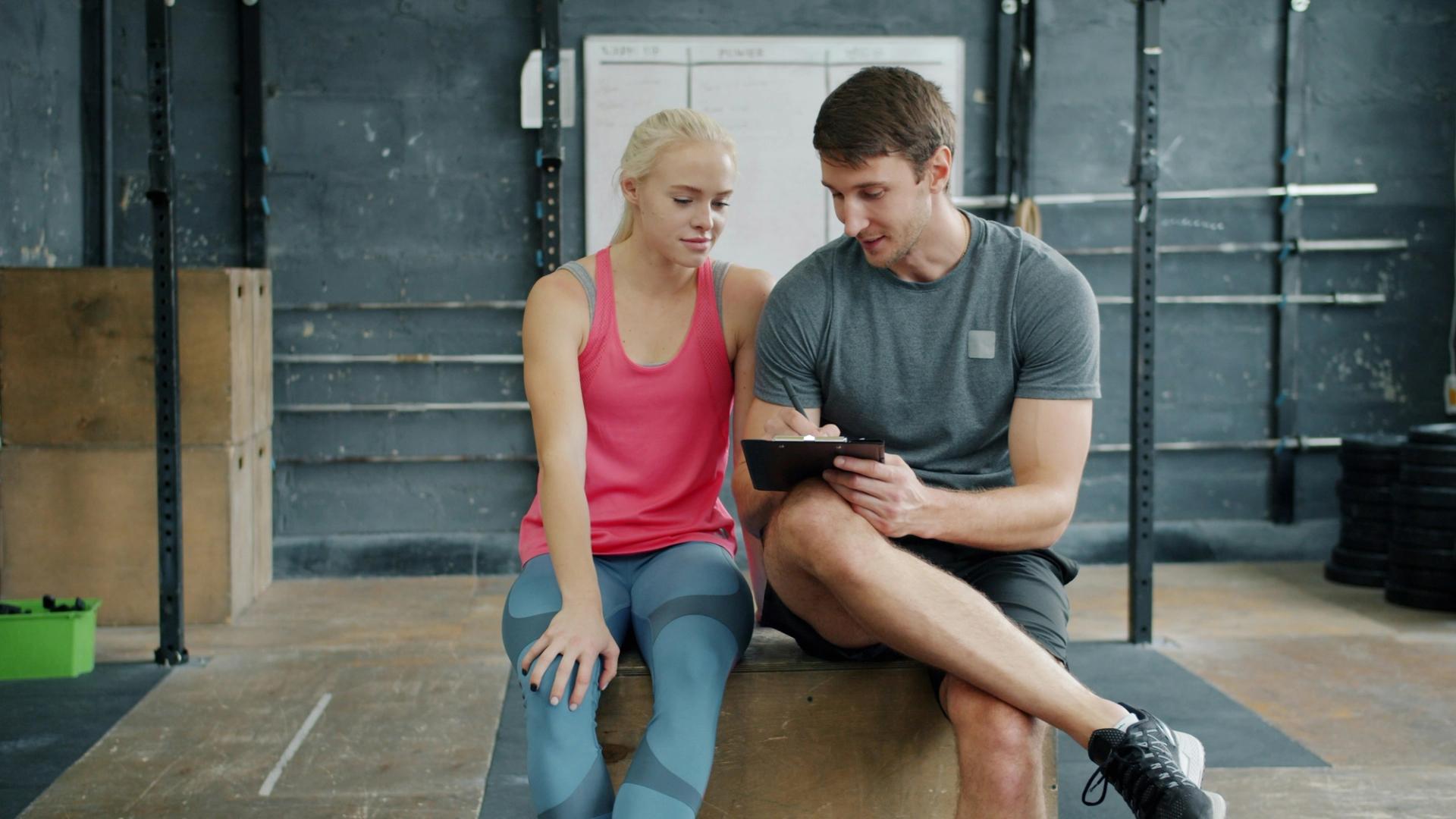
Before hiring a trainer, get clear on what you want the program to support. Weight loss, strength, mobility, endurance, confidence, pain-free movement, and general health can all require different plans.
A good trainer should help turn broad goals into realistic steps. “I want to get fit” is a start, but it does not give enough direction. A stronger conversation may include what you want to feel, what activities you want to handle better, what has not worked before, and what schedule you can actually keep.
Your health history matters too. Past injuries, joint pain, surgery history, medical considerations, stress, sleep, and current activity level can all affect the starting point.
A personal trainer Miami clients can trust should ask questions before making promises. The first sign of a good coach is often how carefully they listen.
Ask About Certifications and Safety

Certification is not the only thing that matters, but it should be part of your baseline. Ask which organization certified the trainer and whether the certification is current.
Recognized certifications may come from organizations such as NASM, ACE, NSCA, ACSM, or another reputable fitness body. CPR/AED training is also important for in-person coaching.
Liability insurance matters too. A trainer working professionally should be able to discuss coverage and safety practices. They should also use intake forms or consultation questions to understand your health history before pushing intensity.
Be cautious if a trainer dismisses credentials, avoids safety questions, or tells you sharp pain is normal. Exercise can be challenging, but it should not feel reckless.
Think Carefully About Miami Heat and Humidity
Outdoor training can be a great fit in Miami, but the weather needs to shape the plan. Heat and humidity can affect effort, hydration, pacing, and recovery.
A smart trainer may schedule outdoor sessions earlier in the morning or later in the evening. They may adjust intensity, add rest breaks, choose shaded areas, and move indoors when conditions are not right.
Hydration should be discussed clearly. So should sun exposure, breathable clothing, and warning signs that the body needs a break. Training outdoors should feel planned, not improvised.
Miami weather can change quickly, so backup options matter. A trainer who can move between home sessions, condo gyms, covered spaces, or indoor workouts gives you a better chance of staying consistent.
Start your Svetness journey today
Get a free consultation and see how our trainers can transform your wellness journey.
Match the Training Location to Your Life
Location affects consistency. A trainer may be excellent, but if every session requires too much travel, the routine can become hard to keep.
In-home personal training can remove a lot of friction. Your trainer can come to your home, apartment gym, condo fitness room, outdoor space, or another suitable location. That can help busy professionals, parents, beginners, and clients who prefer privacy.
You do not need a full gym to train well. Many effective workouts can be built with bodyweight movements, bands, dumbbells, mats, and other portable equipment.
The best training environment is the one you will use. If privacy helps you focus, choose privacy. If outdoor movement motivates you, build that into the plan. If air conditioning matters during summer, be honest about that too.
Pay Attention to Communication Style
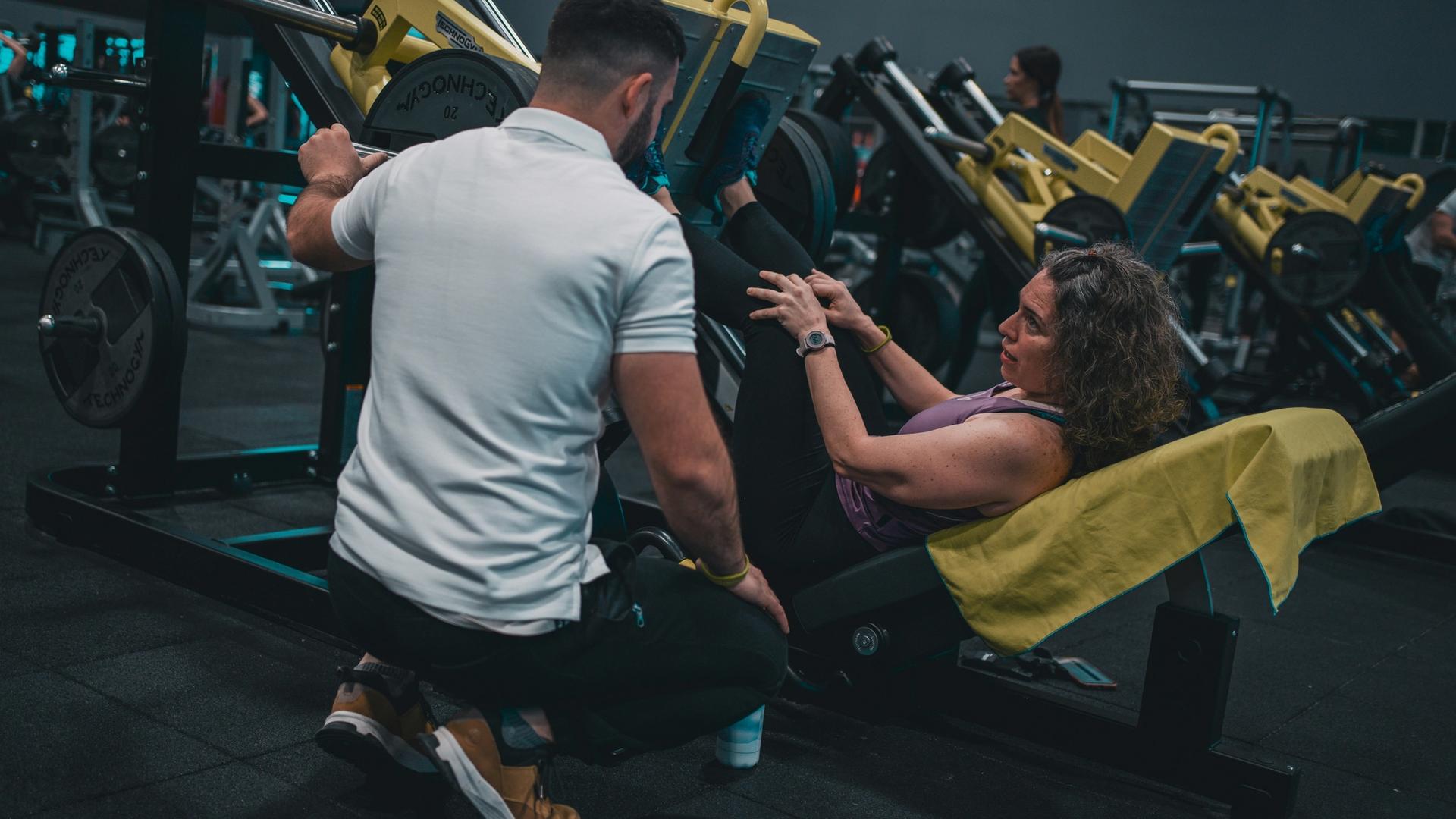
A trainer’s communication style can make or break the relationship. You should feel able to ask questions, explain discomfort, and talk honestly about what is working.
A good trainer gives clear instructions. They explain what an exercise should feel like, what to avoid, and how the movement connects to your goal. They correct form without making you feel embarrassed.
This matters if you are new to training or returning after a long break. Confidence grows when you understand the plan. Confusion can make workouts feel intimidating, even when the exercises are simple.
Our guide to finding a personal trainer who fits your personality can help you think about communication, motivation style, and the kind of support you are most likely to respond to.
Ask How Progress Will Be Tracked
Progress should not rely only on how tired you feel after a workout. A trainer should be able to explain how they track change over time.
That may include strength improvements, better form, increased range of motion, stronger balance, improved conditioning, more consistent sessions, changes in body measurements, or how you feel during daily life.
A good trainer should also adjust when progress slows. Plateaus happen, but the plan should not stay stuck. Your coach may change exercise selection, volume, intensity, recovery, or session frequency based on what your body needs.
Tracking does not need to feel obsessive. It should give both you and your trainer useful feedback so the program keeps moving in the right direction.
Watch for Warning Signs
Some warning signs are easy to spot. Be cautious if a trainer promises extreme results in a very short time, ignores pain, skips consultation questions, or pressures you into a large package before understanding your goals.
Rigid plans can be another issue. If the trainer uses the same routine for everyone, they may not be building around your needs. A Miami client training outdoors, a beginner in a condo gym, and someone recovering from an old injury should not all receive the same plan.
Be careful with supplement-heavy sales pitches or strict diet claims too. A certified trainer can usually provide general nutrition guidance, but they should not present themselves as a medical nutrition provider unless they have the proper credentials.
A trainer should make you feel supported and informed. If the conversation feels rushed, dismissive, or unclear, keep looking.
Hire a Personal Trainer in Miami With Svetness

The right trainer should fit your goals, your schedule, your body, and the realities of training in South Florida. That means clear communication, proper credentials, safe planning, and a training location that helps you stay consistent.
At Svetness, we match clients with certified trainers who bring coaching to homes, condo gyms, outdoor spaces, and other suitable locations. If you want a personal trainer in Miami who can help you train with structure, flexibility, and support, we can help you get started.
Book Your Free Svetness Consultation
FAQs
What should I ask before hiring a personal trainer in Miami?
Ask about certification, CPR/AED training, insurance, experience with your goals, injury modifications, training locations, climate planning, and how progress will be tracked.
Is outdoor personal training safe in Miami?
Outdoor training can be safe when it is planned around heat, humidity, hydration, shade, and weather conditions. A good trainer should also have indoor backup options.
Can I train at home without much equipment?
Yes. A trainer can build effective workouts using bodyweight exercises, resistance bands, dumbbells, mats, and portable tools. The plan can be adapted to your space.
How do I know if a trainer is a good fit?
A good trainer should listen carefully, explain clearly, adapt to your needs, respect your comfort level, and make you feel supported during the consultation and trial session.
How often should I meet with a personal trainer?
Many clients train one to three times per week, depending on goals, schedule, budget, and experience. The best frequency is one you can maintain consistently.
Start your Svetness journey today
Get a free consultation and see how our trainers can transform your wellness journey.