
Personal Trainer Denver: Private Training for Your Goals

A personal trainer in Denver can help with hiking, strength, or a fresh start. See how private coaching works for the goals you care about.
You can love spending weekends in the Colorado mountains and still find yourself out of breath halfway up a steep trail. Maybe your legs feel tired on the way down, or you wish you had more strength for the activities you enjoy. You might have a different goal altogether, such as lifting weights with confidence or getting back into exercise after a long break. A personal trainer in Denver can help you work on the parts of fitness that mean the most to you.
Denver has plenty of ways to stay active, but which exercises will help with your goal? And how can you make progress during a packed workweek?
At Svetness, we bring private coaching to your home and build sessions around what you want to achieve. You can find a personal trainer in Denver through our local service page. We’ll explain how goal-based training works, what your sessions could look like, and how Denver’s elevation may affect exercise when you’re new to the area.
Start your Svetness journey today
Get a free consultation and see how our trainers can transform your wellness journey.
How Can a Personal Trainer in Denver Help You Reach Your Goals?
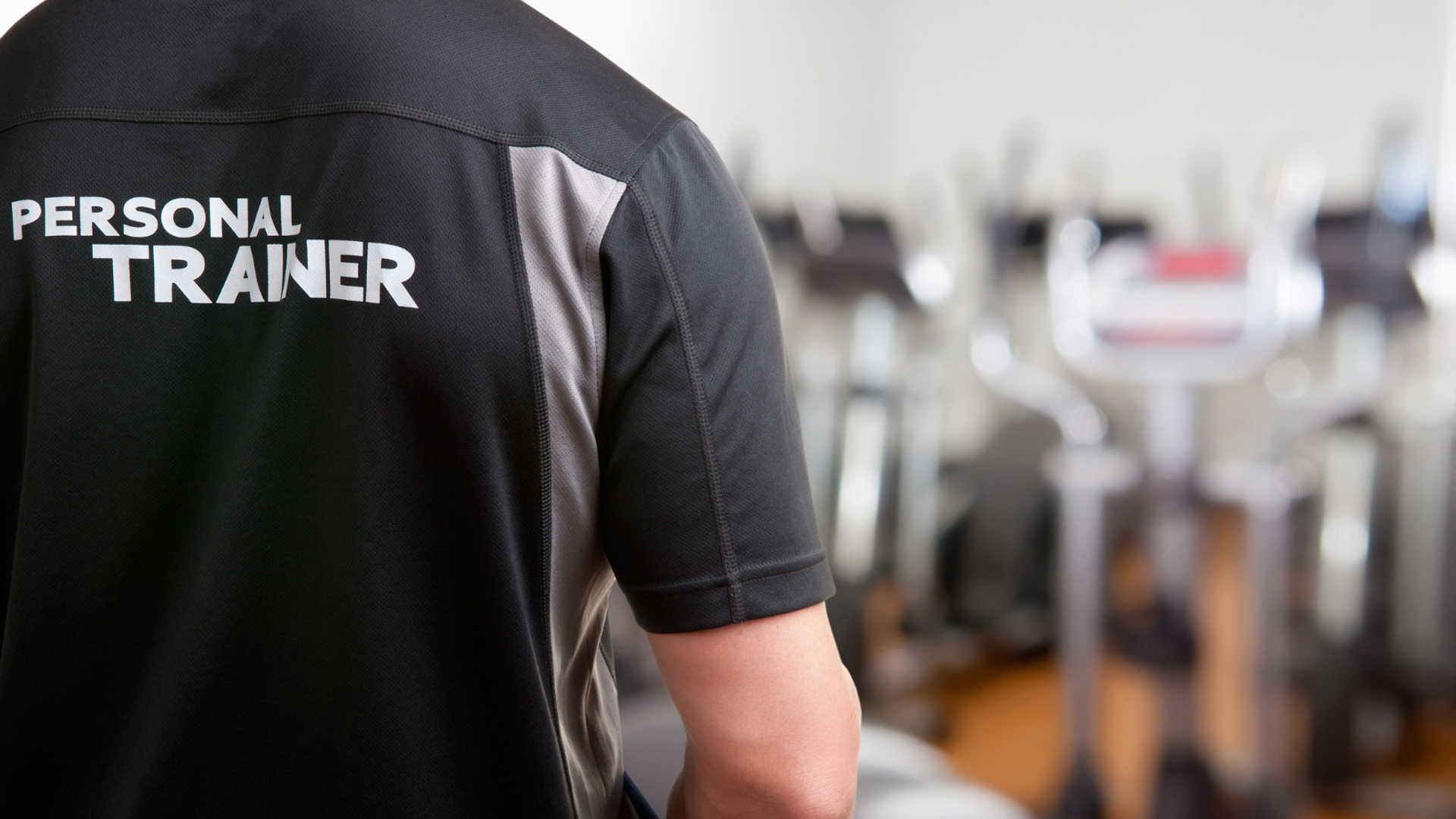
A personal trainer in Denver can turn a fitness goal into a plan with exercises you can practice and progress you can track. Private coaching can help you:
- Build strength with moves that suit your current ability.
- Prepare for hiking by working on leg strength, balance, and stamina.
- Get started again with a pace you can manage after time away from exercise.
- Improve everyday fitness with workouts that fit your schedule.
Your trainer can check form and adjust exercises for your ability.
What Does Private Personal Training Involve?
Private personal training means working one-on-one with a coach who plans exercise around your goals, current fitness, and schedule. During a session, your trainer shows you how to move, watches your technique, and gives you feedback. They can make an exercise easier or add a new challenge when you’re ready.
Our individual personal training brings a certified, background-checked coach to an agreed location with workout equipment. You might work in your living room, a home gym, or another suitable space. The exercises should support the reason you booked, so a plan for hiking will look different from a plan for lifting heavier weights.
Start With a Goal You Can See in Everyday Life
A goal such as “get fitter” gives you a place to begin, but it can be hard to measure. Think about something you’d like to do more easily. That could be climbing the stairs to your apartment, carrying heavy groceries, or finishing a walk without needing as many breaks. Your trainer can help turn that into smaller steps.
Choose One Main Goal to Begin With
You may want stronger legs, more stamina, and better balance at the same time. Tell your coach which one you care about most right now. A clear priority helps you choose exercises while keeping a balanced plan.
Agree on a Starting Point
A good first session should include a talk about your workout history and any limits that affect how you move. Your trainer may watch a chair stand or step-up to help pick a suitable starting level.
Track Something More Specific Than Effort
Feeling tired after a workout tells you little about progress. Your coach could track step-ups, weights, or walking time. Review the numbers and how you feel during the activity you care about.
Build Strength for Denver’s Trails and Outdoor Plans
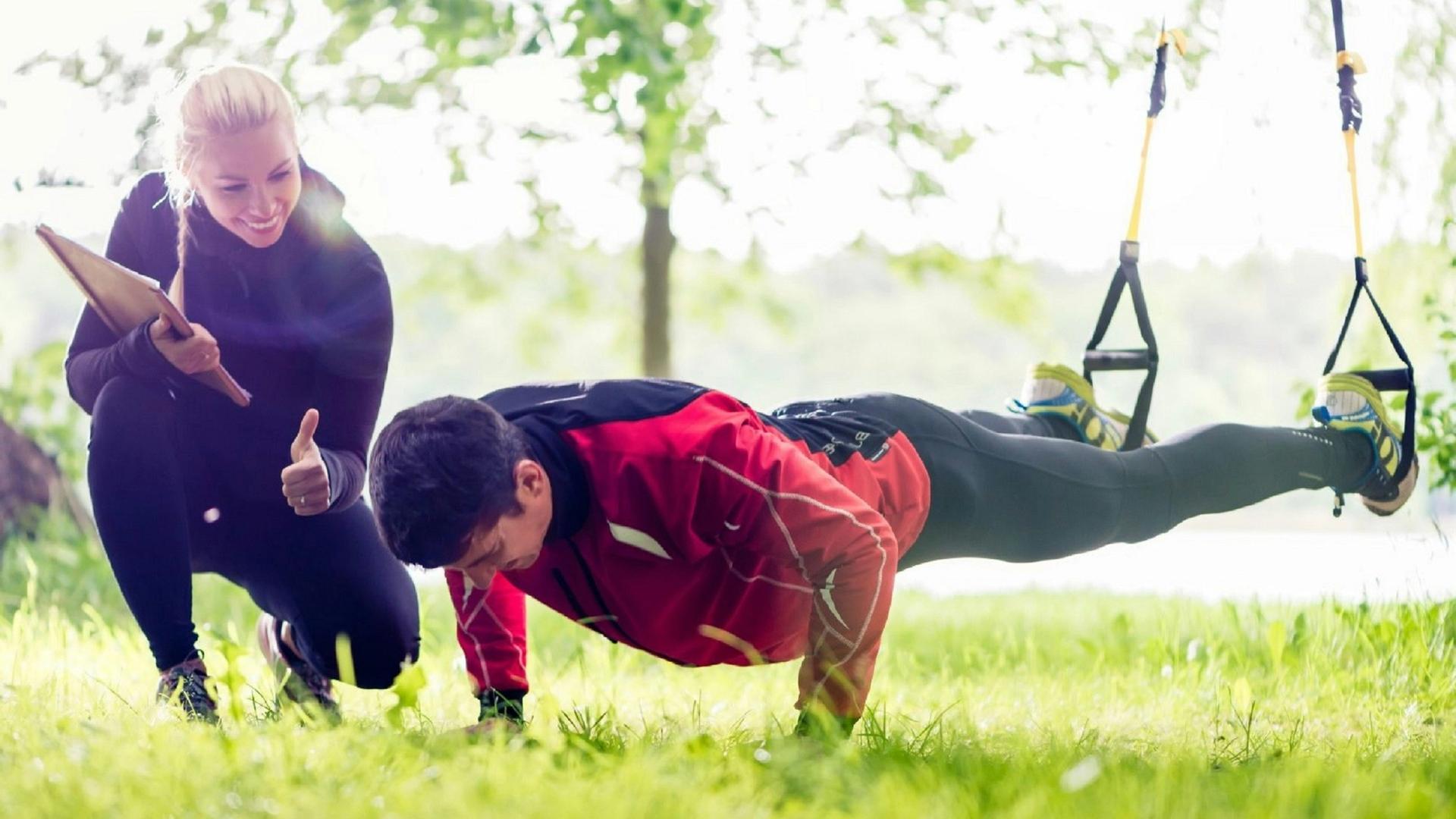
Denver makes it easy to set your sights on an active weekend. You might want to walk farther in a local park before taking on a longer trail in the foothills. Training at home during the week gives you a chance to work on the strength and balance you’ll use outdoors.
Get Your Legs Ready for Uphill Walking
Step-ups help you practice pushing through one leg to climb. Your coach might start with a low, stable step before raising the height or adding weight. Squats and calf raises can add more leg work. The right mix will reflect your starting point and how long you hope to walk.
Practice Control for the Way Down
Walking downhill asks your legs to control each step as your body lowers. Slow step-downs and supported split squats can help you practice that movement. Your trainer can watch your balance and shorten the range if you need an easier version. You should feel your muscles working without sharp pain.
Add Stamina Without Turning Every Session Into a Hike
A brisk walk, a set of step-ups, or short periods of steady movement can build up your activity over time. Your coach can plan these around strength days so you’re not worn out for the weekend. Mountain walks also require planning for terrain and weather.
Start your Svetness journey today
Get a free consultation and see how our trainers can transform your wellness journey.
Train for Strength, Balance, or a Fresh Start
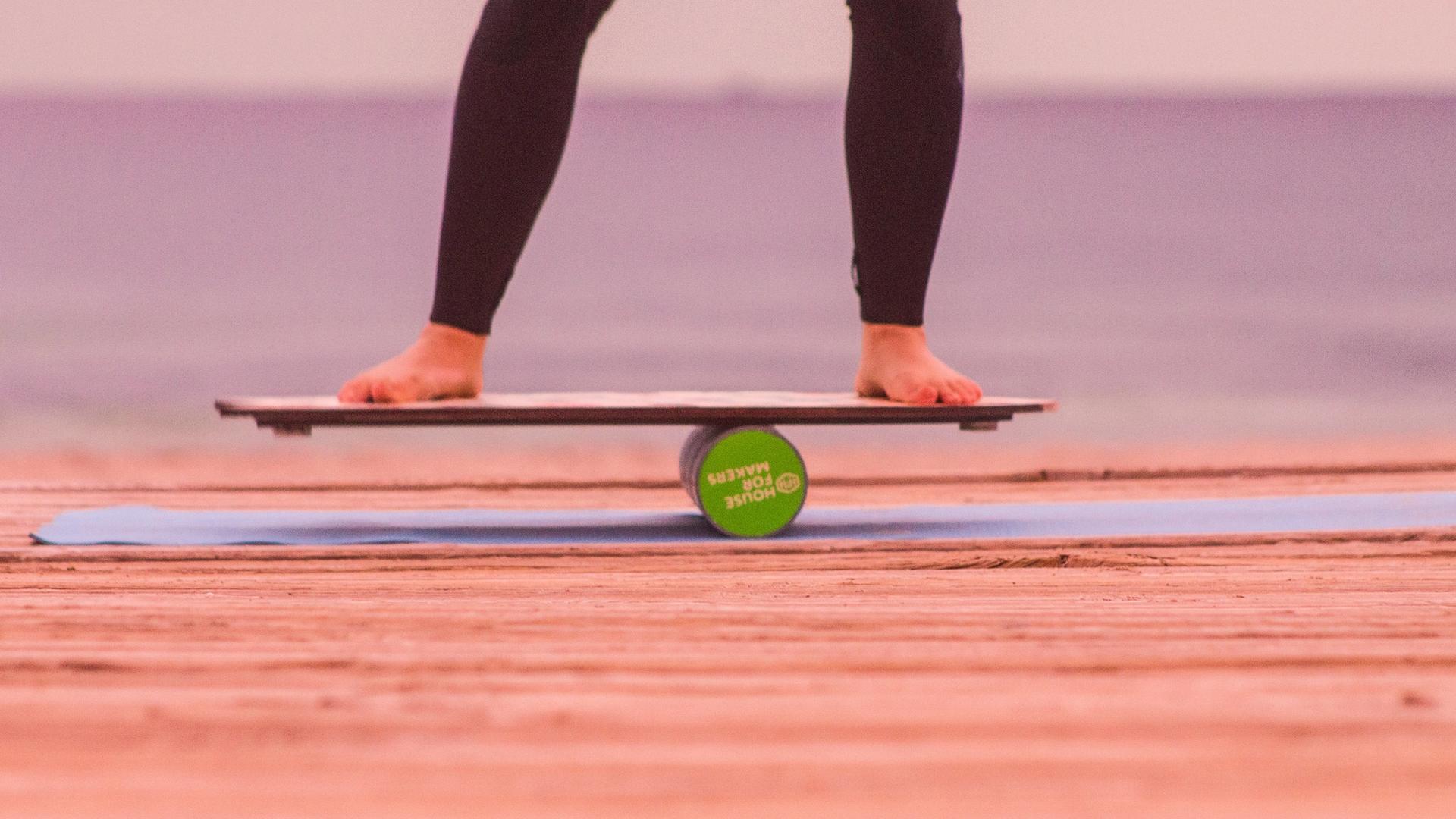
Your goal may have little to do with the mountains. Private coaching works well when you need help choosing a clear set of exercises and making them harder at the right pace.
Build Muscle With the Equipment You Have
Dumbbells, resistance bands, and bodyweight moves can challenge many major muscle groups. A trainer might start with squats, rows, and presses, then add resistance as your form improves. This is called progressive overload. If you want to lift very heavy barbells later, you may need access to a gym with a rack and plates.
Feel Steadier During Everyday Movement
Balance work can fit into a strength session without taking over the whole workout. Your coach might add a supported single-leg stand or step-over near a stable chair. These exercises may appeal if you’re older or feel unsure on uneven ground, but a trainer should refer medical concerns to a healthcare professional.
Return to Exercise Without Rushing
After months away from exercise, start below your old workout level. You might start with chair squats, wall push-ups, and band rows while your coach checks your form. Our article on strength training exercises for beginners at home explains these basic moves in more detail. You can build up when the sessions start to feel more comfortable.
How Does Denver’s Elevation Affect Your Workouts?
Denver sits about 5,280 feet above sea level. Air pressure is lower here than at sea level, so each breath provides less oxygen. If you’ve recently moved from a lower area, running or climbing stairs may feel harder at first. Your body needs time to get used to the change.
The CDC’s guidance on high-altitude travel explains that adjustment takes time and that exercise can feel harder at higher elevations. Its advice covers travel to places higher than Denver, not routine workouts in the city.
Tell Your Trainer if You’re New to Denver
If you’ve recently arrived, explain what exercise felt like before the move and how it feels now. Your trainer can start with easier conditioning work, give you longer breaks, and check how you respond. You can build up gradually.
Take Extra Care Before Mountain Trips
A hike high above Denver can place more demands on your body than a walk around town. Fitness alone doesn’t protect you from altitude illness. Build time into your plans to adjust to higher elevations, and follow outdoor safety guidance for the route you’re taking. Severe headache with other symptoms, confusion, or unusual trouble breathing calls for prompt medical help rather than another workout.
Make Your Home Part of the Training Plan
A workout can fit in a living room without turning the room into a gym. Tell your trainer how much clear floor space you have and if there are low ceilings or close neighbors. They can pick moves that fit the area and bring suitable portable equipment.
For someone in a Capitol Hill apartment, a low-impact strength session may suit the room better than jumping exercises. In any home, keep a clear area and safe surface. Our article on how our trainers build personalized fitness plans gives a closer look at how goals and practical limits shape workouts.
How Often Should You Train With a Coach?
You don’t need a coached session every time you’re active. One visit a week may give you time to practice movements and ask for feedback. Two sessions could suit you if you want more help as you begin. Your budget and recovery time will help set the pace.
Ask your trainer what you can do between visits. That might be an easy walk, familiar strength exercises, or rest. Plan around activities you already do. If you hike for hours on Saturday, your Friday workout may need to be lighter.
What Should You Ask Before Booking?
A personal trainer in Denver should be able to explain how they’ll work toward your goal. In your first conversation, ask what the opening sessions could involve and how they’ll track progress. Tell them about any equipment you own and the space where you’d like to train.
Check the full price of your package, how long sessions last, and what happens if you need to move an appointment. Ask about your coach’s certification and experience with your type of goal. Get the terms in writing.
Work Toward Your Denver Fitness Goals With Svetness
The right plan starts with something you want to do better, then builds through workouts you can repeat and improve. You now have ways to think about strength, trail preparation, everyday balance, and training at Denver’s elevation. The next time you set a fitness goal, you’ll know how to talk about it with a coach and what progress could look like.
At Svetness, we’ll discuss your goals, home setup, and schedule before helping match you with a local trainer. Ready to build a training plan around the activities you care about?
Book Your Free Svetness Consultation
Frequently Asked Questions
Can a personal trainer help me prepare for hiking near Denver?
Yes. We can use strength, balance, and stamina exercises that support hiking. Tell your coach about the trails you hope to try. You’ll still need to plan for weather, terrain, and elevation on the day.
Is it harder to exercise when you first move to Denver?
It can be. Denver’s elevation may make aerobic exercise feel harder if you’re used to lower areas. Start at a pace you can manage and tell your trainer how you’re feeling. Seek medical advice for unusual or severe symptoms.
Can I build muscle with private training at home?
Yes. You can use dumbbells, bands, and bodyweight moves to build strength and muscle. Your trainer can add resistance as you improve. Very heavy lifting goals may call for gym equipment later.
Do I need to own exercise equipment?
No. Our trainers bring portable equipment for sessions. Tell us about any weights you already own and the space you have. That helps us plan workouts that fit your home.
How much does a personal trainer in Denver cost?
Your price will reflect the session length, package, and coaching needs. Ask us for a quote based on your location and preferred schedule. Check the full package cost and cancellation terms before booking.
How soon will I see results from private coaching?
You may feel more confident with basic moves after a few visits. Changes in strength and stamina often take longer. Your trainer can track progress based on your goal rather than promising a set result by a fixed date.
Start your Svetness journey today
Get a free consultation and see how our trainers can transform your wellness journey.