
Personal Trainer Austin: Why Cookie-Cutter Programs Fail Here

A personal trainer Austin search can lead to generic gym plans. The better fit trains your body for trails, paddleboards, desk work, and real life.
Austin is built around movement. People run the trail around Lady Bird Lake, paddleboard on the water, hike the greenbelt, cycle through the city, lift in apartment gyms, and spend weekends outside with friends, kids, or dogs. That kind of lifestyle asks more from the body than a generic gym plan can give.
Many people who search for a personal trainer in Austin are not looking for a random list of exercises. They want a plan that helps them move better in real life. A desk worker may need hip mobility and back strength. A weekend hiker may need ankle control and stronger legs. A beginner may need confidence, safer form, and a coach who knows how to build the plan gradually.
Cookie-cutter programs miss those details. They place people into broad categories, then hand them the same treadmill intervals, machine circuits, or weight-loss templates. Austin fitness requires a more personal approach because the goal is not only to train hard. The goal is to build a body that can handle the way you actually live.
Start your Svetness journey today
Get a free consultation and see how our trainers can transform your wellness journey.
Why Austin Training Needs a Custom Plan
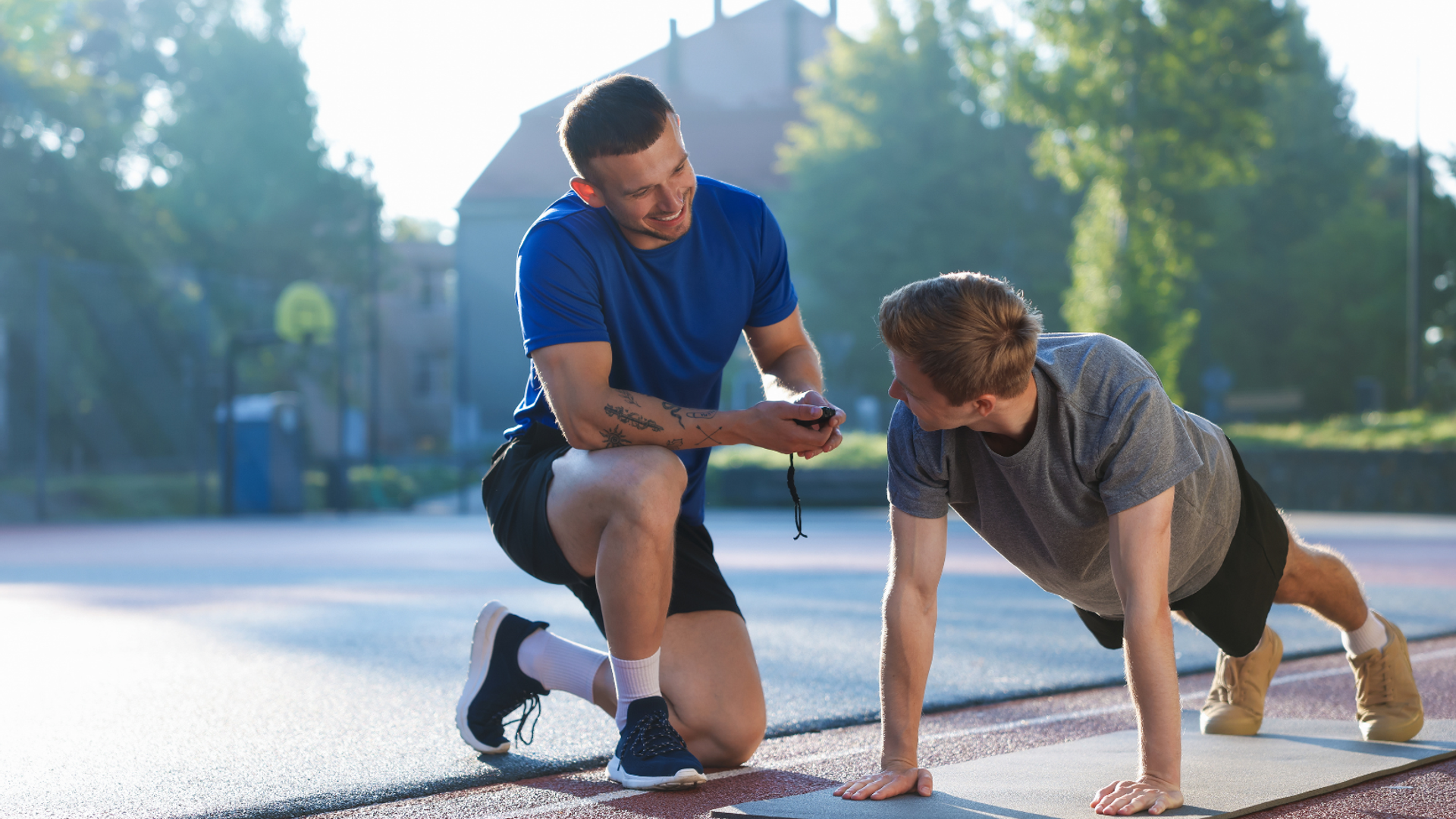
A useful training plan should reflect your body, schedule, past injuries, and the activities you care about outside the workout.
- It should match your current fitness level.
- It should account for injuries, pain, mobility limits, and confidence.
- It should support the activities you want to enjoy in Austin.
- It should include strength, conditioning, mobility, and recovery.
- It should progress as your body adapts.
- It should feel practical enough to keep during a busy week.
The better plan is the one that connects the workout to your actual life, not a template that could be handed to anyone.
Why Choosing a Personal Trainer in Austin Should Be More Personal
A personal trainer Austin program should do more than make you tired. Exhaustion is easy to create. Useful progress takes better planning.
Generic routines often rely on machines, repeated circuits, and broad goals such as “lose weight” or “tone up.” Those goals are common, but they do not explain how someone moves, where they feel limited, or what kind of strength they need.
A strong Austin training plan should start with assessment. The trainer should look at how you squat, hinge, step, balance, reach, brace, and move through basic patterns. That information matters more than guessing which exercises look impressive.
A plan also needs context. Someone who spends eight hours at a desk may need different programming than someone who already plays recreational sports, hikes every weekend, or carries a toddler around the house. A coach who does not ask about your daily routine is missing part of the job.
Why Cookie-Cutter Workouts Fall Short
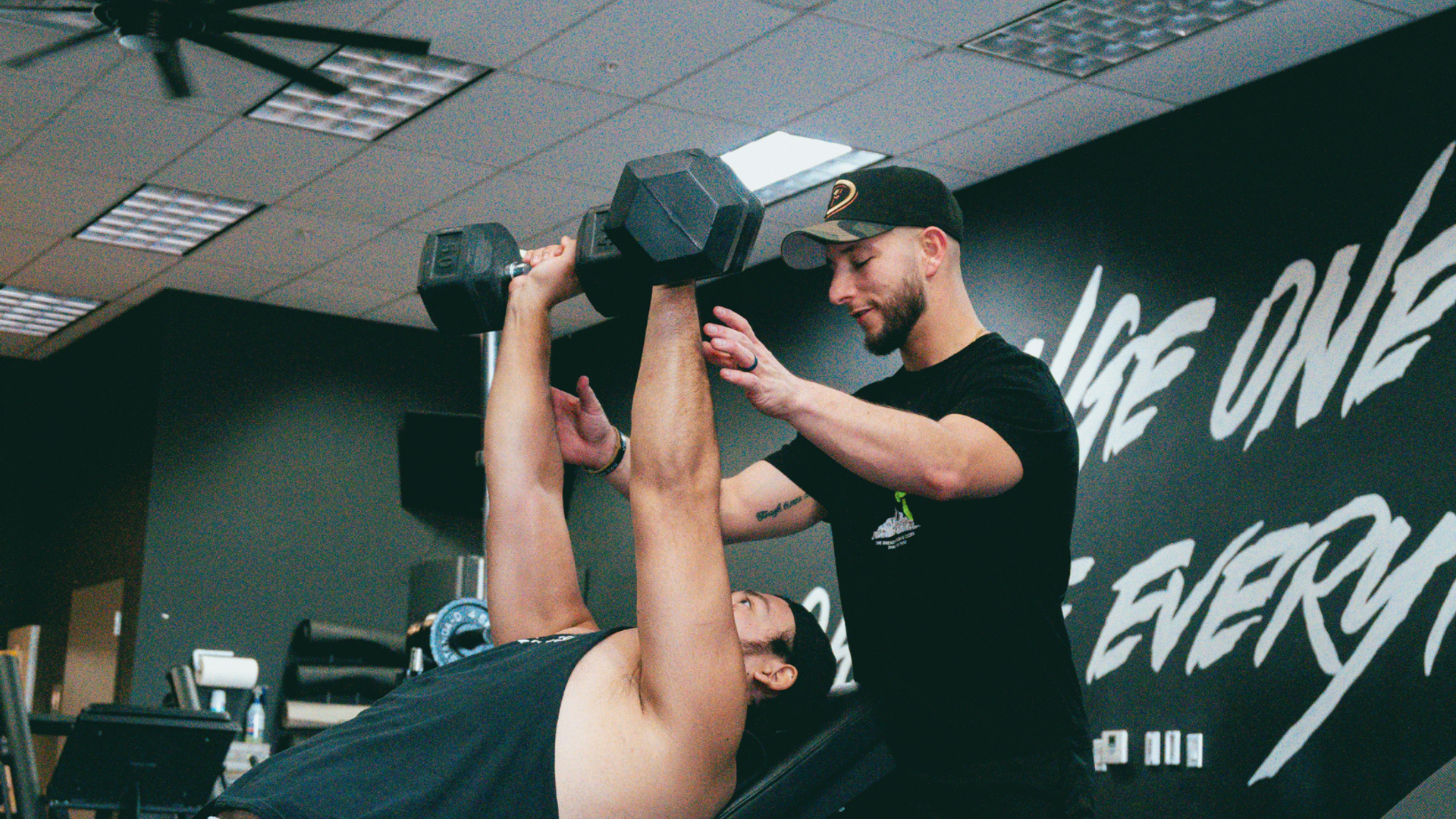
Cookie-cutter workouts are attractive because they look simple. They promise structure without much thinking. The problem is that bodies do not all respond the same way to the same plan.
A routine built for a 25-year-old who lifts three days a week may not fit a 48-year-old returning after a back injury. A program built for gym machines may not help someone who wants better balance on uneven trails. A plan focused only on calories may ignore posture, recovery, pain, and confidence.
Repeated machine work can build some strength, but it may leave important gaps. Fixed machines guide the path for you, so the smaller stabilizing muscles do less work. That can become a problem when life asks you to twist, carry, step sideways, brace, or move on uneven ground.
A coach who builds personalized fitness plans can adjust the plan based on ability, goals, schedule, and feedback. That is where personal training becomes more useful than a copied routine.
Functional Strength Makes Sense in Austin

Functional strength means training movement patterns that carry into daily life. It does not mean flashy exercises or random balance tricks. It means building useful strength through movements such as squats, hinges, rows, presses, carries, lunges, step-ups, and controlled core work.
For Austin residents, that can translate into better hiking endurance, more control during paddleboarding, stronger posture during long workdays, and less discomfort after weekend activities. Training should help the body handle stairs, trails, groceries, yard work, travel, recreational sports, and long days on your feet.
A personal trainer in Austin should understand how to connect exercises to those real goals. If you want to hike more comfortably, the plan should include leg strength, balance, and conditioning. If you sit all day, the plan should address hips, upper back, core control, and better movement habits.
This is where a personalized plan feels different. The workout has a reason behind it. Each exercise should support a goal, a weakness, a movement pattern, or a piece of your daily life.
Start your Svetness journey today
Get a free consultation and see how our trainers can transform your wellness journey.
Mobility and Recovery Deserve a Place in the Plan
Austin makes it easy to stay active, but active people can still overdo it. A person may run, hike, cycle, join weekend classes, and still feel stiff, sore, or stuck because recovery is not planned well.
A good trainer should ask about sleep, stress, soreness, workload, nutrition, and the activities you already do. Training should support that full picture instead of piling more intensity onto an already tired body.
Mobility work can help joints move with more control. Recovery work can help the body adapt between sessions. Warm-ups can prepare the hips, ankles, shoulders, and spine for better movement. Strength training can protect the joints by helping muscles do their job more effectively.
This does not mean every session should feel slow or easy. It means the hard work should have a purpose. A well-built plan challenges you without turning every workout into a test of how much discomfort you can tolerate.
Why Home Training Fits Real Life Better
Commercial gyms can work well for some people, but they are not the right fit for everyone. Parking, traffic, crowds, waiting for equipment, and self-consciousness can all get in the way of consistency.
In-home training removes many of those barriers. Your trainer can meet you at home, in an apartment gym, in a private community space, or in a suitable outdoor area. The session can be built around your space, your equipment, and your schedule.
The benefits of personal training at home are especially useful for people who want privacy and direct attention. A trainer can watch your form closely, adjust movements right away, and keep the session focused without the distractions of a crowded gym floor.
Home training also encourages creativity. Without relying on large machines, your coach can use resistance bands, dumbbells, kettlebells, mobility tools, bodyweight exercises, and tempo changes to build challenging sessions in a small area.
How to Choose the Right Austin Trainer
Finding the right trainer takes more than checking a social profile. A strong coach should have recognized certification, relevant experience, clear communication, and a training style that fits your goals.
Ask how they assess new clients. Ask how they adapt exercises for injuries, pain, or low confidence. Ask how they change the plan as you improve. The answers should feel clear, practical, and specific to you.
A trainer should ask questions before giving advice. They should want to know what you enjoy, what has stopped you before, what your schedule looks like, and what you want your body to do better.
Be cautious with anyone who gives you a full plan before understanding your movement, lifestyle, or history. A template can look organized, but organization alone does not make it personal.
Find a Personal Trainer in Austin With Svetness

A strong fitness plan should make Austin feel easier to enjoy. It should help you move better on trails, feel stronger during daily tasks, handle busy weeks with more energy, and build confidence without forcing your body into a generic plan.
Svetness matches clients with certified trainers who bring coaching to the place where training fits best, whether that is your home, apartment gym, office fitness room, or another suitable space. The goal is a plan that fits your life and keeps you moving with purpose.
Book Your Free Svetness Consultation
FAQs
What is wrong with cookie-cutter workout programs?
Cookie-cutter programs ignore how your body moves, what your goals are, and what limits you may have. They may give structure, but they often miss the details that make training safer and more useful.
Can functional training build muscle?
Yes. Functional training can build muscle when the exercises are progressed well. Lunges, rows, squats, presses, carries, and hinges can all build strength while supporting better movement.
Is in-home training effective without gym machines?
Yes. A trainer can use dumbbells, resistance bands, kettlebells, bodyweight work, mobility drills, and conditioning to create a strong session without large machines.
How do I know if a trainer is personalizing my plan?
A trainer should assess your movement, ask about your goals, review your injury history, and adjust sessions based on feedback. A copied plan usually skips those steps.
What should I ask an Austin trainer before booking?
Ask about certifications, assessment style, experience with your goals, injury adjustments, scheduling, equipment, and how the plan will change as you improve.
Start your Svetness journey today
Get a free consultation and see how our trainers can transform your wellness journey.