Best Personal Trainer in Austin TX: 5 Questions That Separate the Pros From the Rest

Best personal trainer Austin TX searches can hide weak coaches. These 5 questions reveal who can train you safely and personally.
Finding the best personal trainer in Austin can feel harder than it should. Austin has running trails, strength gyms, cycling groups, outdoor bootcamps, wellness studios, and fitness personalities across every social platform. That gives you plenty of choice, but it also makes it easier to get distracted by image instead of coaching quality.
A trainer can look fit, post polished videos, and still be the wrong person to guide your body. The best personal trainer Austin TX residents can choose should understand assessment, movement quality, safe progression, injury history, recovery, nutrition habits, and how to coach someone through real life. Popularity is not the same as skill.
The consultation matters. Before you commit to a training package, you need to ask questions that show how the trainer thinks. A good coach should welcome those questions. They should be able to explain their process clearly without making you feel rushed, judged, or sold to. These five questions can help you separate a professional coach from someone selling generic workouts.
Start your Svetness journey today
Get a free consultation and see how our trainers can transform your wellness journey.
What to Ask Before Hiring a Personal Trainer
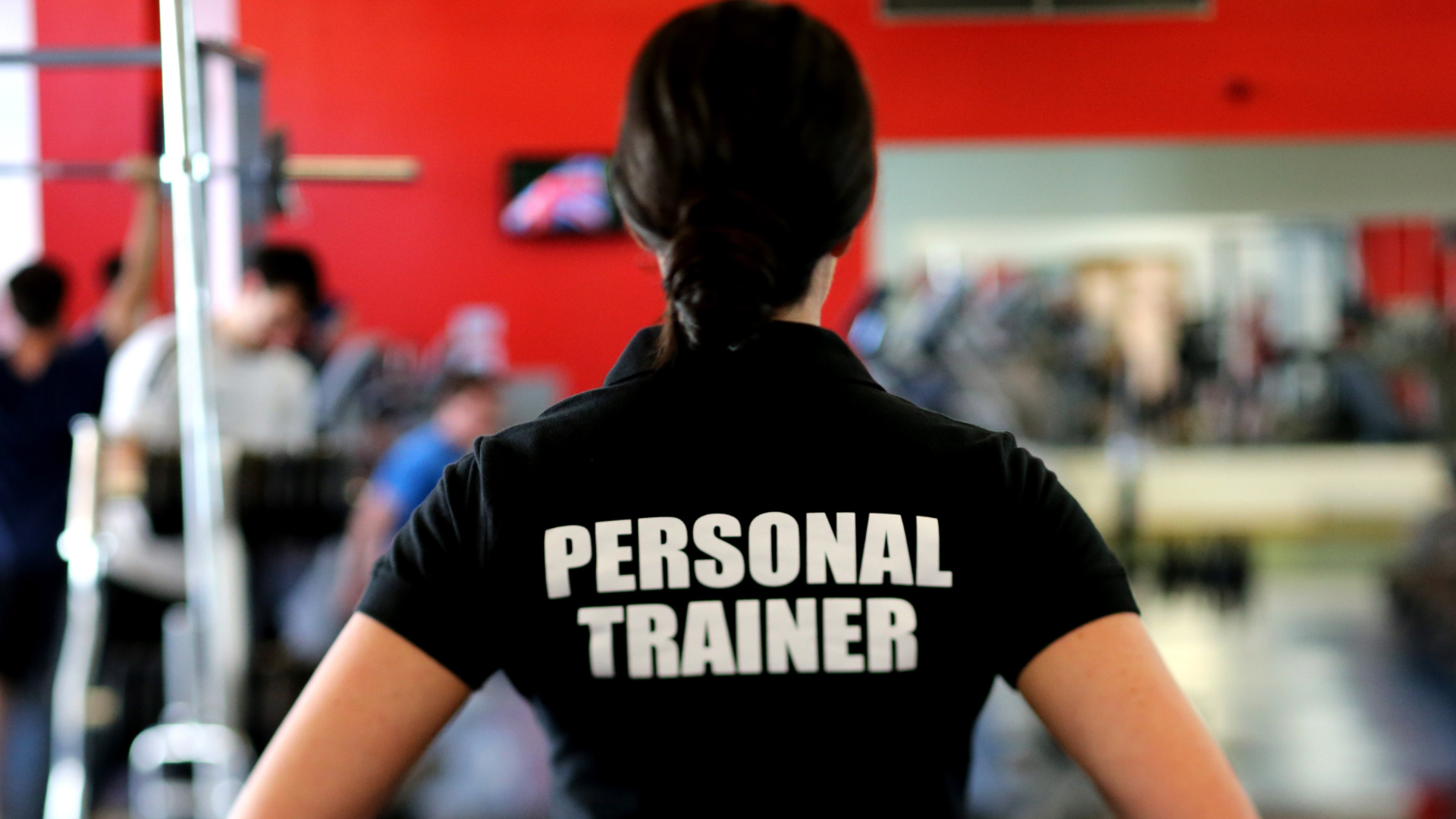
A strong consultation should give you clear answers, not vague promises.
- What certification do you hold, and is it current?
- How do you assess new clients before building a plan?
- How do you progress workouts safely?
- How do you adapt exercises around pain or past injuries?
- How do you support recovery, nutrition habits, and consistency?
The answers should help you feel more confident, not more confused.
Why Best Personal Trainer Austin TX Searches Can Be Misleading
Searching for the best personal trainer Austin TX has to offer can pull up a wide range of results. Some trainers work in big gyms. Some run outdoor sessions. Some sell online templates. Some are experienced coaches with strong credentials, while others rely mostly on personal results or social media presence.
The fitness industry can be confusing because appearance often gets treated like proof. A trainer’s body may show what worked for them, but it does not tell you whether they can coach your shoulder mobility, knee pain, strength goal, weight loss plan, beginner confidence, or schedule.
A better search should focus on fit. You need someone who can assess how you move, explain why certain exercises belong in your plan, and adjust when something feels wrong. If you want a deeper look at what real clients value during the hiring process, our client advice on how to find a personal trainer can help you think beyond surface-level signs.
The right trainer should make the process feel personal from the start.
1. Ask About Certification

Certification should be the baseline. Ask which organization issued the trainer’s certification and whether it is current. A professional should be able to answer clearly.
Look for recognized fitness certifications from organizations such as NASM, ACE, NSCA, ACSM, or another reputable body. Current CPR/AED training also matters, especially for in-person coaching.
A vague answer is a warning sign. “I have been training for years” is not the same as current education. Experience can matter, but it should be supported by safe coaching knowledge.
You can also ask about continuing education. Good trainers stay current because clients bring different needs, injuries, ages, goals, and limitations. A coach who keeps studying is more likely to adjust responsibly when your body needs something different.
2. Ask How They Assess You First
A trainer should not hand you a hard workout before understanding how you move. Assessment helps the coach choose the right starting point.
That assessment may include questions about your goals, health history, injuries, current activity level, schedule, sleep, equipment, and previous training experience. It may also include basic movements such as squats, hinges, lunges, reaches, or core stability work.
The goal is not to make you feel tested. The goal is to help the trainer see what your body needs. Tight hips, limited shoulder range, balance concerns, weak glutes, or old injuries can all affect how the program should be built.
If a trainer skips assessment and jumps straight into intensity, be cautious. Hard workouts are easy to write. Smart workouts require observation and planning.
3. Ask How They Progress Workouts
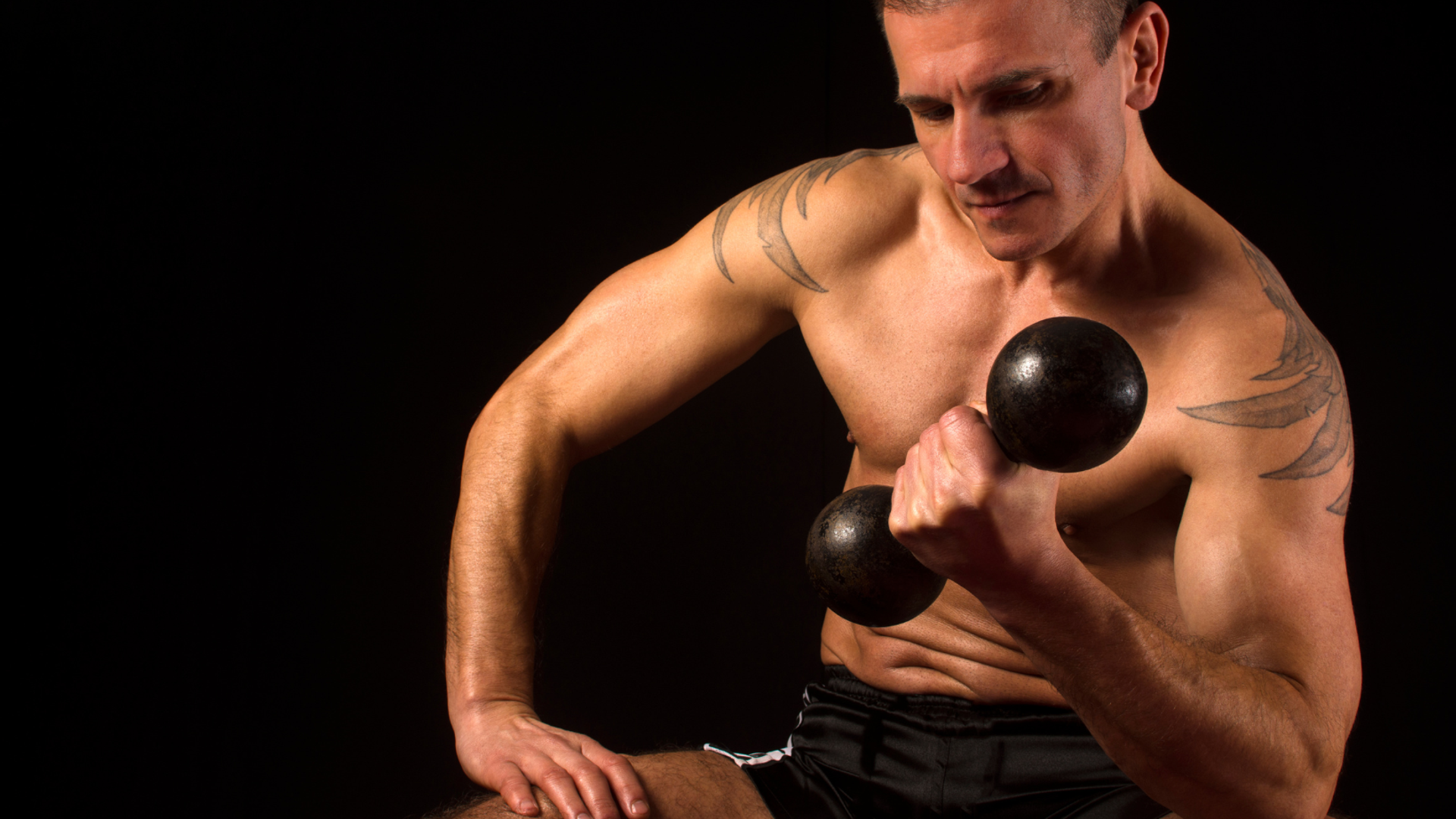
Progress should be planned. If every session feels random, it becomes hard to know whether you are getting fitter or simply getting tired.
Ask how the trainer will make workouts more challenging over time. A good coach should be able to explain progression in simple terms. Progress might come through more weight, more reps, better control, improved range of motion, shorter rest periods, harder variations, or stronger consistency.
The answer should not be limited to “we go heavier.” Adding weight can be useful, but it is not the only path. For some clients, better form is progress. For others, less pain during movement is progress. A beginner may need confidence before intensity.
The best personal trainer in Austin, TX for your goals should know how to build challenge without rushing the process.
4. Ask About Pain and Injuries
Most adults have something a trainer needs to know. That may be back discomfort, shoulder irritation, knee pain, a previous surgery, limited mobility, or a fear of getting hurt again.
Ask what they do when an exercise causes pain. A good trainer should have alternatives ready. If squats bother your knees, they might adjust depth, change stance, use a box, try a hinge pattern, or build strength around the hips and core first. If pressing bothers your shoulder, they should modify the angle, load, grip, or movement choice.
A trainer should never dismiss pain or tell you to push through sharp discomfort. They should also know when to refer you to a medical professional.
This is where coaching skill really shows. The right trainer can keep you moving toward your goal while respecting the feedback your body gives.
Start your Svetness journey today
Get a free consultation and see how our trainers can transform your wellness journey.
5. Ask About Recovery and Nutrition Habits

Your training plan does not exist in one isolated hour. Sleep, stress, hydration, food, work demands, and recovery all affect how you feel during sessions.
Ask how the trainer supports those pieces. A certified personal trainer can usually offer general nutrition guidance, habit coaching, hydration reminders, and recovery suggestions. They should not claim to treat medical conditions or prescribe a clinical meal plan unless they have the proper credentials.
A good trainer should talk about realistic habits. That may include protein intake, meal timing, walking, sleep routines, stress management, and how to stay consistent during busy weeks.
If a trainer pushes extreme diets, expensive supplements, or rigid rules before they understand your life, take that seriously. The plan should support your health, not make your week harder to manage.
Why In-Home Training Can Make Coaching Better
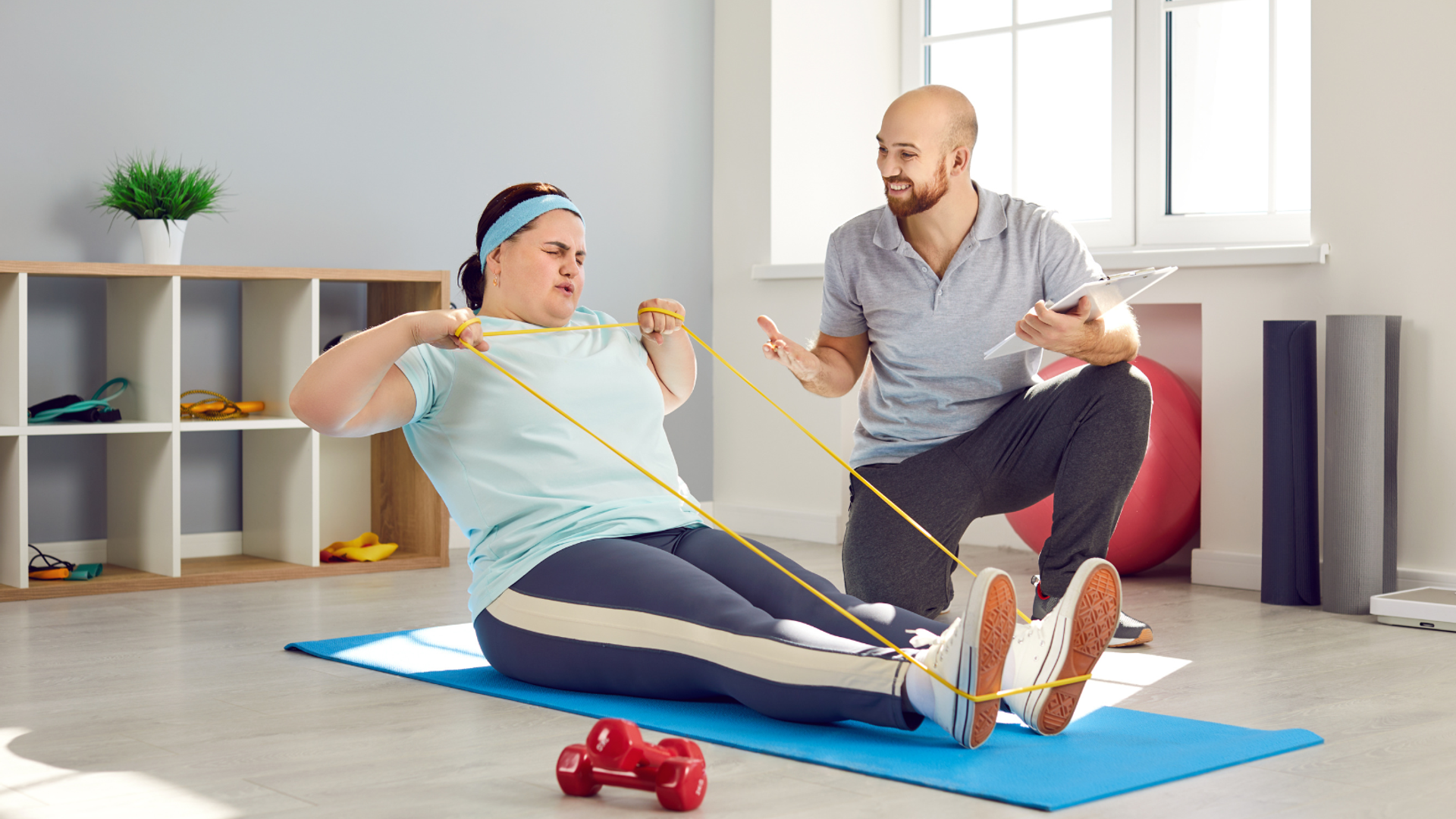
The training environment affects the quality of the session. Busy gyms can be useful, but they also come with noise, waiting for equipment, distractions, and pressure to move around other people.
In-home personal training can remove much of that friction. Your trainer can focus on you, your goals, your space, and your movement. You do not have to compete for equipment or feel watched while you practice a new exercise.
This can be especially valuable for beginners, busy professionals, parents, older adults, and anyone returning after time away from exercise. The trainer can adapt the plan to your home, apartment gym, backyard, or another suitable space.
If you are comparing what strong coaching should feel like, our breakdown of what makes a good personal trainer can help you look for qualities that matter beyond motivation.
Choose the Best Personal Trainer in Austin, TX for Your Goals
The best personal trainer Austin TX residents can choose should make you feel heard, assessed, and supported before you ever start a full program. Good coaching is personal. It should account for your goals, body, schedule, confidence, and long-term health.
At Svetness, we match clients with certified personal trainers who bring in-home coaching to your space. If you want the best personal trainer in Austin for your routine, we can help you train with more structure, privacy, and support.
Book Your Free Svetness Consultation
FAQs
How do I find the best personal trainer in Austin, TX?
Start by asking about certification, assessment, progression, injury modifications, communication style, and scheduling. The right trainer should give clear answers and build the plan around your needs.
What certification should a personal trainer have?
Look for current certification from a reputable organization such as NASM, ACE, NSCA, ACSM, or another recognized fitness body. Current CPR/AED training is also important.
Should a trainer assess me before the first workout?
Yes. A trainer should ask about your goals, health history, injuries, fitness level, schedule, and movement before building a plan.
Can a personal trainer help if I have old injuries?
A trainer can adapt exercises around many limitations, but they should also know when to refer you to a doctor, physical therapist, or other medical professional.
Is in-home personal training available in Austin?
Yes. Svetness offers in-home personal training in Austin, so you can train at home, in an apartment gym, outdoors, or in another suitable space.
Start your Svetness journey today
Get a free consultation and see how our trainers can transform your wellness journey.